The Four Strategies for a Compact Home Gym: Wall Racks, All-in-Ones, Smart Gyms, and Minimalist Setups Compared
A compact home gym isn't one product category — it's four distinct strategies. This tiered comparison helps small-space dwellers choose between wall-mounted foldable racks, all-in-one machines, digital smart gyms, and minimalist component setups based on their actual floor space, ceiling height, noise tolerance, and training priorities.
Trust check
This pick is scored against a public rubric, not affiliate revenue. Read the methodology, or check the safety & recall status of items in this build.
Why 'Compact Home Gym' Means Four Different Things
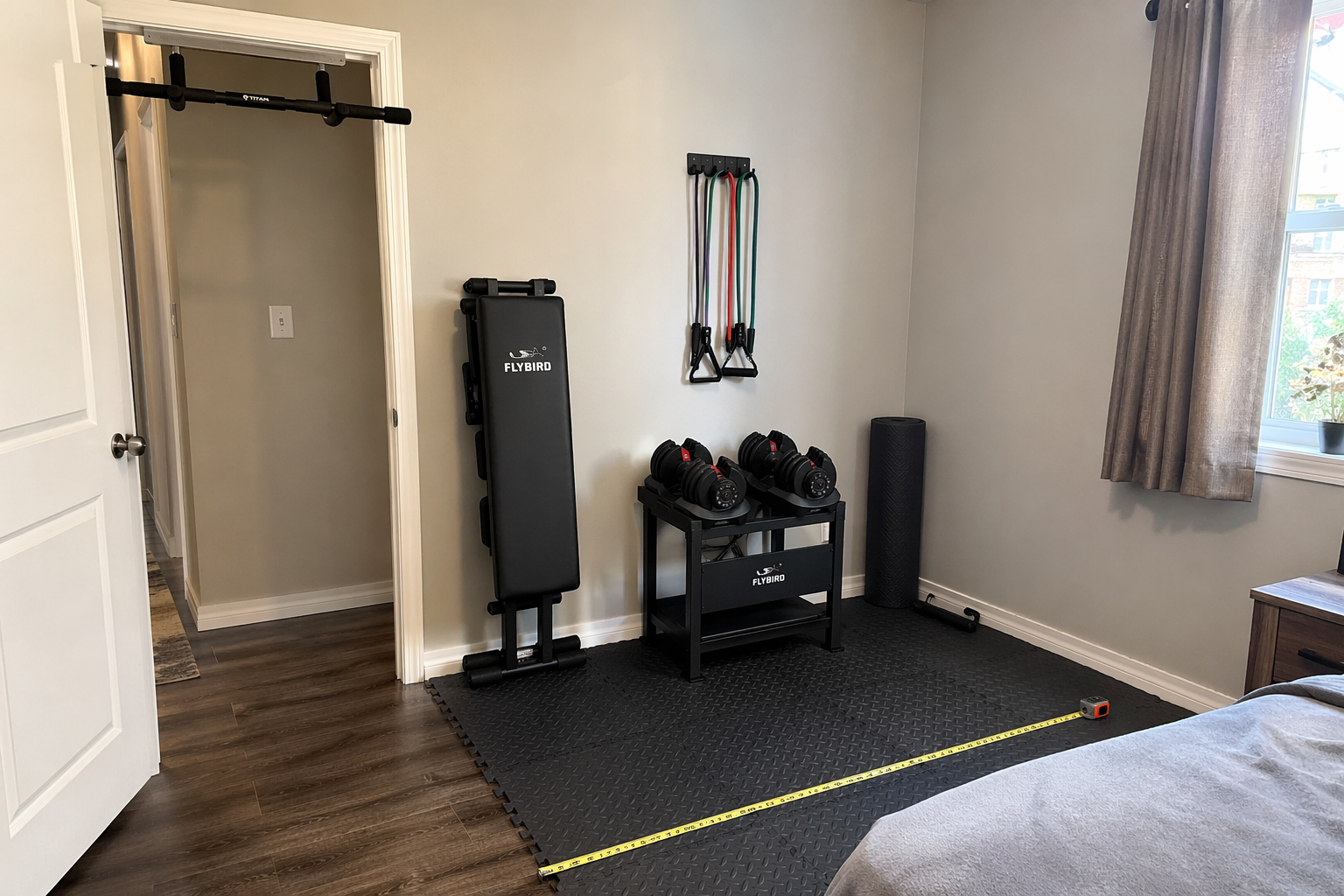
When you search for a compact home gym, the results show a bewildering range of products: a folding rack that bolts to your wall, a monolithic machine with weight stacks and pulleys, a digital box that uses electromagnetic resistance, or a simple pair of adjustable dumbbells and a bench. These aren't variations of the same thing. They are four fundamentally different strategies for solving the same problem — how to strength train in a small space — and each one makes a different set of trade-offs.
The mistake most buyers make is starting with a product category ("I want a smart gym") instead of measuring their actual constraints. Before you look at any spec sheet, you need to know three numbers: your available floor space in square feet, your ceiling height, and your noise tolerance (are you on a second-floor apartment or a ground-floor room?). Then you need to be honest about your training priority: do you want to do barbell squats, cable flyes, guided digital workouts, or a mix of everything?
This article breaks the compact home gym landscape into four distinct strategies, each with its own space requirements, price range, and training personality. By the end, you'll be able to match your specific constraints to the right strategy — and avoid the expensive mistake of buying a setup that doesn't fit your space or your goals.
Strategy 1: Wall-Mounted Foldable Racks — Best for Strength Purists
If your primary training goal is barbell strength work — squats, bench press, deadlifts, overhead press — and you have a wall you can bolt into, a wall-mounted foldable rack is the most space-efficient solution available. These racks mount directly to wall studs and fold flat against the wall when not in use, reclaiming nearly all of your floor space between workouts.
The PRx Profile PRO is the benchmark in this category. According to Garage Gym Reviews, it folds to just 9 inches deep on the wall, unfolds to 39.5 inches deep for use, and supports over 1,000 lbs of weight. At $1,099.99, it's significantly cheaper than most all-in-one machines or smart gyms, and it gives you a real barbell training experience that digital resistance simply cannot replicate.
The trade-off is that you need a dedicated wall space — typically a section of wall about 4 feet wide — and you need to be comfortable mounting equipment into studs. Renters who cannot drill into walls will need landlord permission or a different strategy. You also need enough clear floor space in front of the rack when it's unfolded: about 6 to 8 feet for a standard barbell, plus room to load plates.
| Product | Folded Depth | Unfolded Depth | Weight Capacity | Price |
|---|---|---|---|---|
| PRx Profile PRO | 9 inches | 39.5 inches | 1,000+ lbs | $1,099.99 |
| REP Wall-Mount Rack | ~12 inches | ~36 inches | 1,000+ lbs | $500–$800 |
| VERVE Folding Rack | ~10 cm (~4 inches) | ~40 inches | ~800 lbs | $600–$900 |
Routines this build supports
12-Week At-Home Bodyweight Workout Plan (No Equipment Needed)
This 12-week bodyweight workout plan provides a progressive structure for beginners to build strength at home without any equipment. Each phase includes clear level-up gates so you know exactly when to advance to harder exercises.
12-Week Postpartum Exercise Plan for Core Recovery & Skin Firmness
This 12-week postpartum exercise routine guides you through a phased progression from pelvic floor reconnection to resistance training, designed to rebuild the muscle beneath loose belly skin while setting realistic expectations about what exercise can achieve.
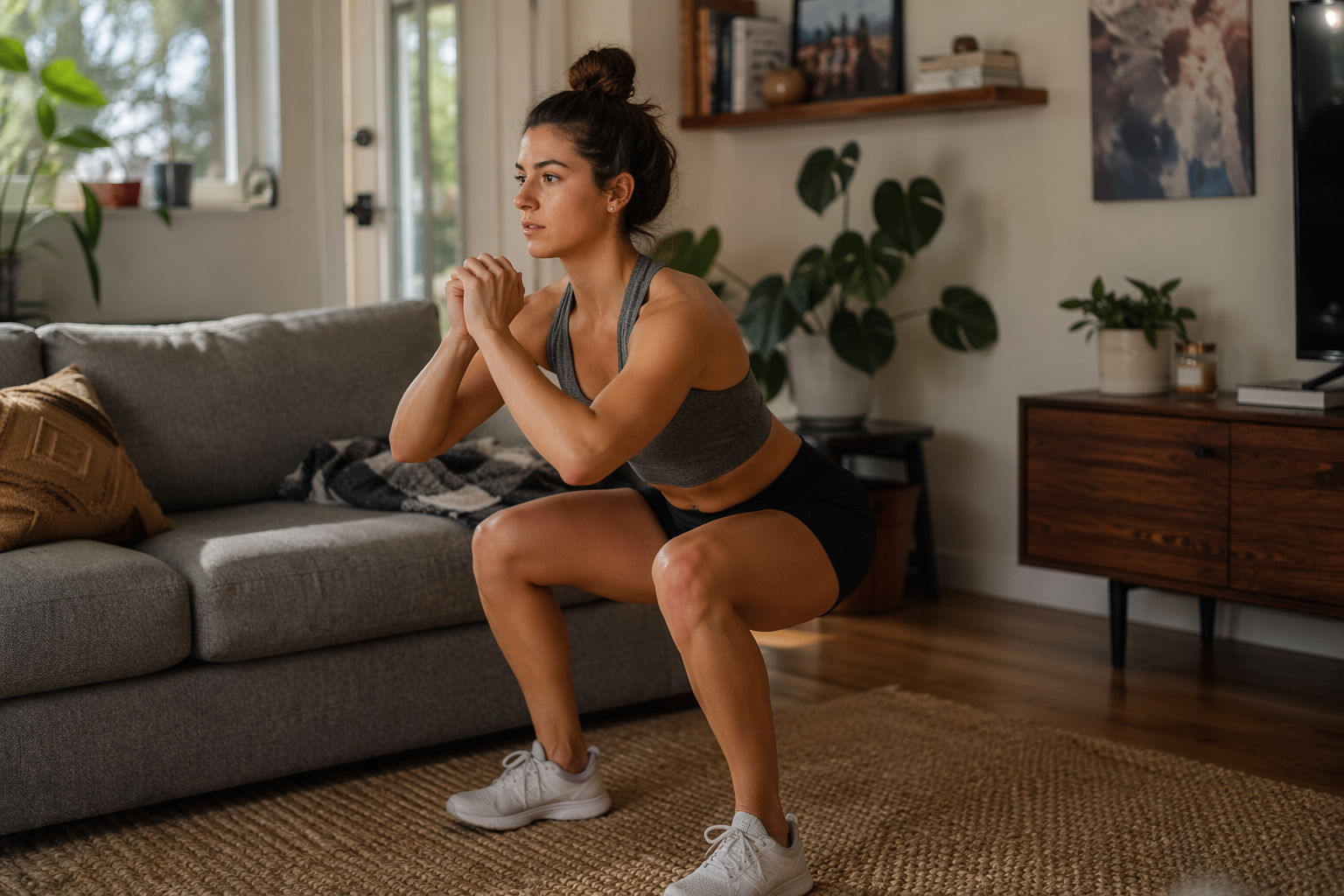
Why 20-Minute Home Workouts Work for Beginners
A 20-minute home workout for beginners can deliver real fitness gains—when structured for intensity. This article explains the science behind short workouts and provides a complete follow-along routine.
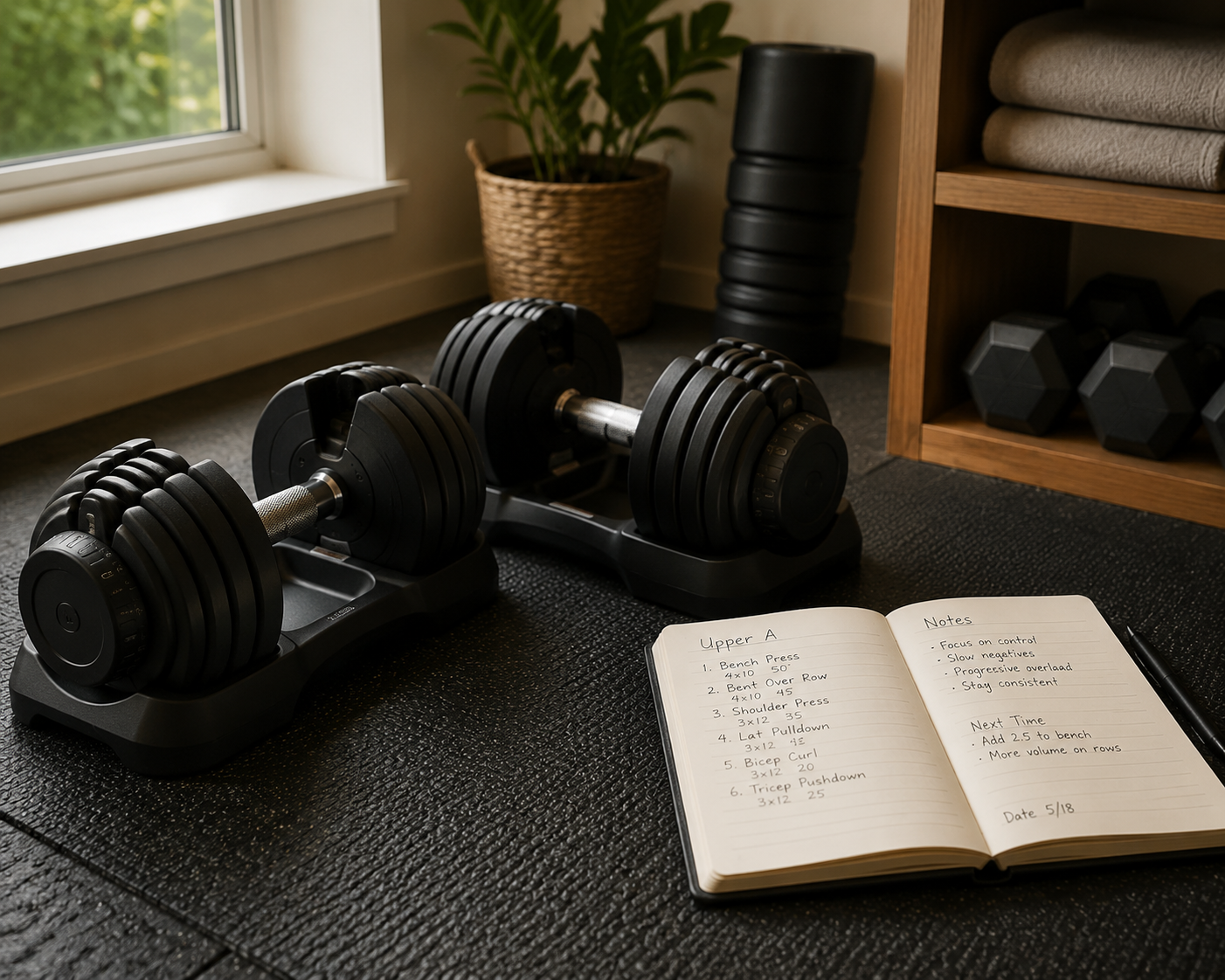
Build Muscle with This 3-Day Dumbbell-Only Full-Body Plan
A complete 3-day full-body dumbbell workout plan with exercise selection, weight guidance, and a double-progression system that helps home gym beginners and intermediates build muscle without needing heavier dumbbells every week.
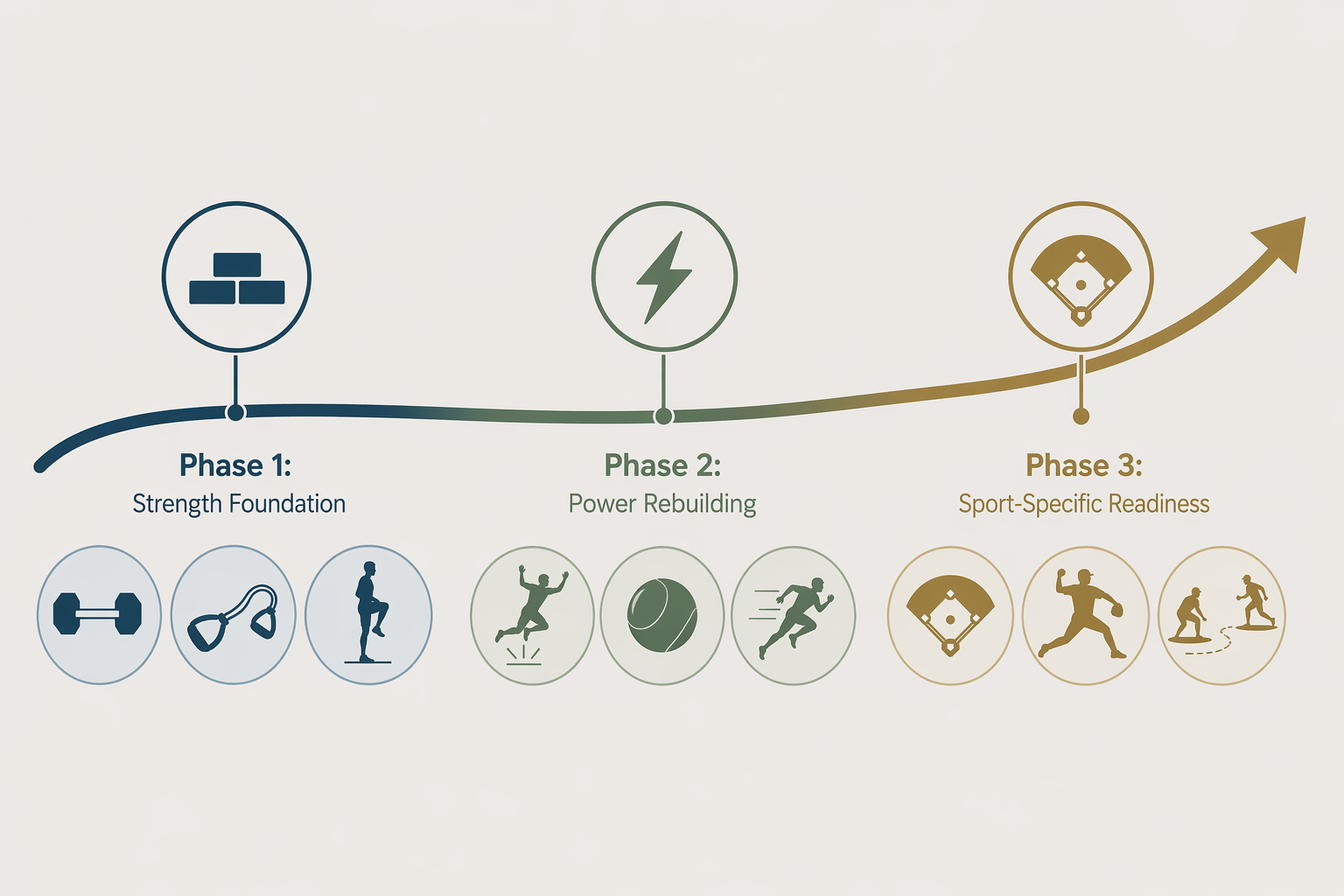
A 3-Phase Routine for Your Baseball Injury Comeback
Most baseball players leave physical therapy cleared to move but not ready to play. This 3-phase training routine bridges the gap from post-rehab to game readiness with progressively loaded strength, power, and sport-specific drills you can do at home with minimal equipment.
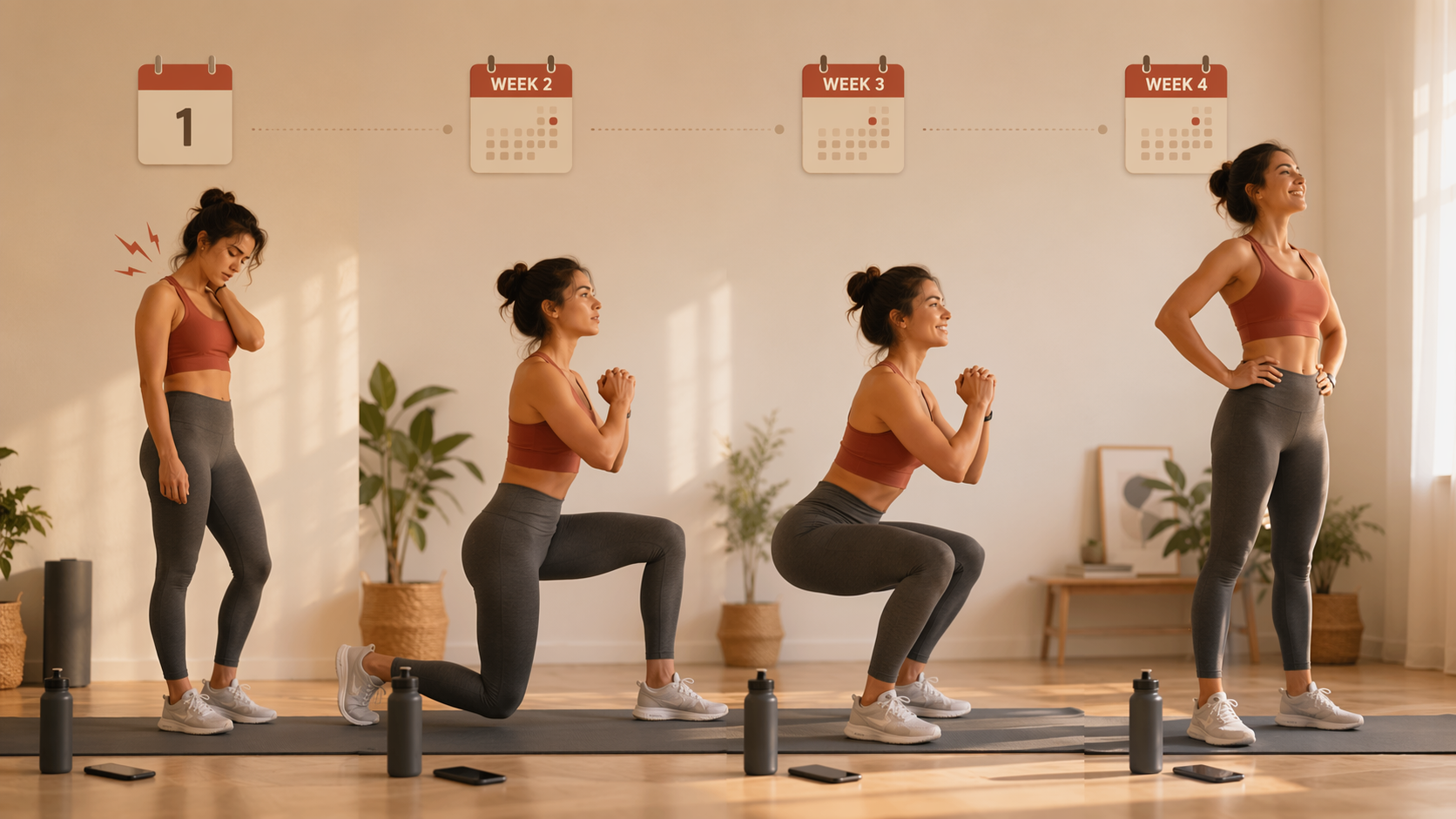
Your First 30 Days with a Workout App: A Week-by-Week Roadmap for Beginners
A week-by-week guide for absolute beginners using a workout app for the first time, covering the typical physical and psychological changes across the first month and how to choose the right session structure and app to build a lasting habit.
Spotted a stale price or an item that's no longer available? Say so below — this is our correction channel, not just a discussion thread.
Comments
Join the discussion with an anonymous comment.