
Squat Rack Space Planning: How Much Room You Really Need for Safe Home Gym Training
A practical guide for apartment dwellers, garage gym builders, and anyone unsure if their space can fit a squat rack. Learn how to measure your room correctly, match the right rack style to your usable dimensions, and avoid common clearance mistakes.
Trust check
This pick is scored against a public rubric, not affiliate revenue. Read the methodology, or check the safety & recall status of items in this build.
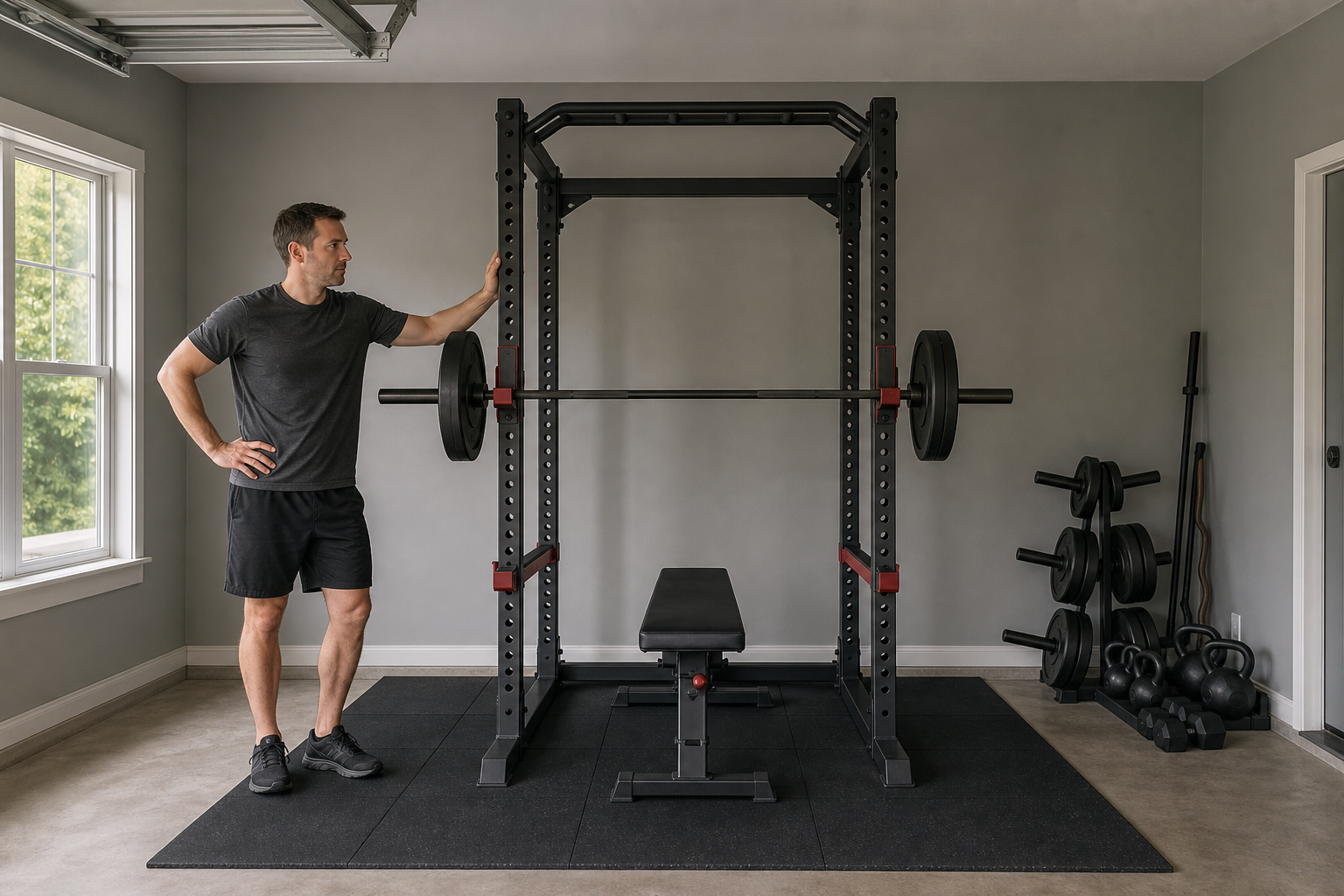
The Rack-Footprint Fallacy: Why a 48-Inch Rack Needs 10 Feet of Wall
It is easy to look at a power rack's listed dimensions — say, 48 inches wide by 40 inches deep — and conclude that any spare corner will do. That assumption is the single most common reason home gym builders end up with a rack they cannot use safely. The rack's steel footprint is only the starting point. The real number you need to plan for is the full training zone: the three-dimensional volume your body, the barbell, the plates, and the bench will occupy during a workout.
According to research from RitFit, a comfortable squat rack setup typically requires 8 to 10 feet of usable width, 6 to 8 feet of depth, and 8.5 to 9 feet of ceiling height. That is a far cry from the 4-by-4-foot rectangle the rack itself sits on. The difference comes down to four factors: the 7-foot Olympic barbell's sleeve overhang, the space needed to load and unload plates, the walkout path for stepping back with a loaded bar, and the bench's footprint when positioned inside or in front of the rack.
The good news is that most home gyms — including many apartments, basements, and single-car garages — can accommodate some type of squat rack. The key is matching the rack style to your actual usable dimensions, not the other way around. If you are still deciding whether a home gym is right for your situation, our Complete Small-Space Home Gym Buyer's Decision Guide can help you weigh the trade-offs before you start measuring walls.
How to Measure Your Room Correctly
Before you browse any product pages, take three measurements. Do not estimate. Do not use the room's overall dimensions — you need the dimensions of the specific wall and floor area where the rack will live.
Wall Width (Usable, Not Total)
Measure the wall from one obstruction to the next. Obstructions include door frames, windows, baseboard heaters, electrical panels, and adjacent walls. A 12-foot wall might only offer 9 feet of usable space once you account for a door on one end and a window on the other. You need at least 8 feet of clear wall width for a full power rack, and ideally 10 feet for comfortable plate loading on both sides of the barbell.
Usable Ceiling Height (Lowest Point)
Do not measure the peak of a sloped ceiling. Measure the lowest point where the rack will sit. For basement builders, this means measuring under ductwork, pipes, and beams. For garage builders, measure with the garage door open — the door track and opener mechanism often hang lower than the ceiling itself. Standard power racks stand 90 to 93 inches tall. You need at least 8.5 feet (102 inches) of clearance to press overhead safely, and 9 feet (108 inches) is more comfortable for taller lifters.
Depth for Walkout and Bench Setup
Depth is the dimension most people underestimate. The rack itself may be only 40 to 50 inches deep, but you need room behind the rack for the barbell to overhang, room in front for the walkout path, and room to the side for bench placement if you train outside the rack. A full training zone depth of 8 feet is the recommended minimum, according to RitFit's guidelines.
Space Requirements by Rack Type
Not all racks demand the same space. The table below shows the minimum recommended training zone dimensions for each major rack type. These are the dimensions you should compare against your room measurements, not the rack's own listed footprint.
| Rack Type | Min. Wall Width | Min. Floor Depth | Min. Ceiling Height | Key Trade-Off |
|---|---|---|---|---|
| Full power rack (4-post) | 10 ft | 8 ft | 8.5–9 ft | Most stable and safest; requires the most space |
| Half rack | 8 ft | 7 ft | 8.5 ft | Saves depth vs. full rack; less storage for plates |
| Squat stand (with spotter arms) | 8 ft | 6 ft | 8.5 ft | Smallest footprint; least safe for solo lifting without arms |
| Wall-mounted folding rack | 8 ft | 6 ft (deployed) | 8.5 ft | Stows to 4–8 inches depth; requires sturdy wall mounting |
| Compact / short rack | 8 ft | 7 ft | 7.5–8 ft | Solves low ceilings; may limit overhead pressing |
Routines this build supports
12-Week At-Home Bodyweight Workout Plan (No Equipment Needed)
This 12-week bodyweight workout plan provides a progressive structure for beginners to build strength at home without any equipment. Each phase includes clear level-up gates so you know exactly when to advance to harder exercises.
12-Week Postpartum Exercise Plan for Core Recovery & Skin Firmness
This 12-week postpartum exercise routine guides you through a phased progression from pelvic floor reconnection to resistance training, designed to rebuild the muscle beneath loose belly skin while setting realistic expectations about what exercise can achieve.
Why 20-Minute Home Workouts Work for Beginners
A 20-minute home workout for beginners can deliver real fitness gains—when structured for intensity. This article explains the science behind short workouts and provides a complete follow-along routine.
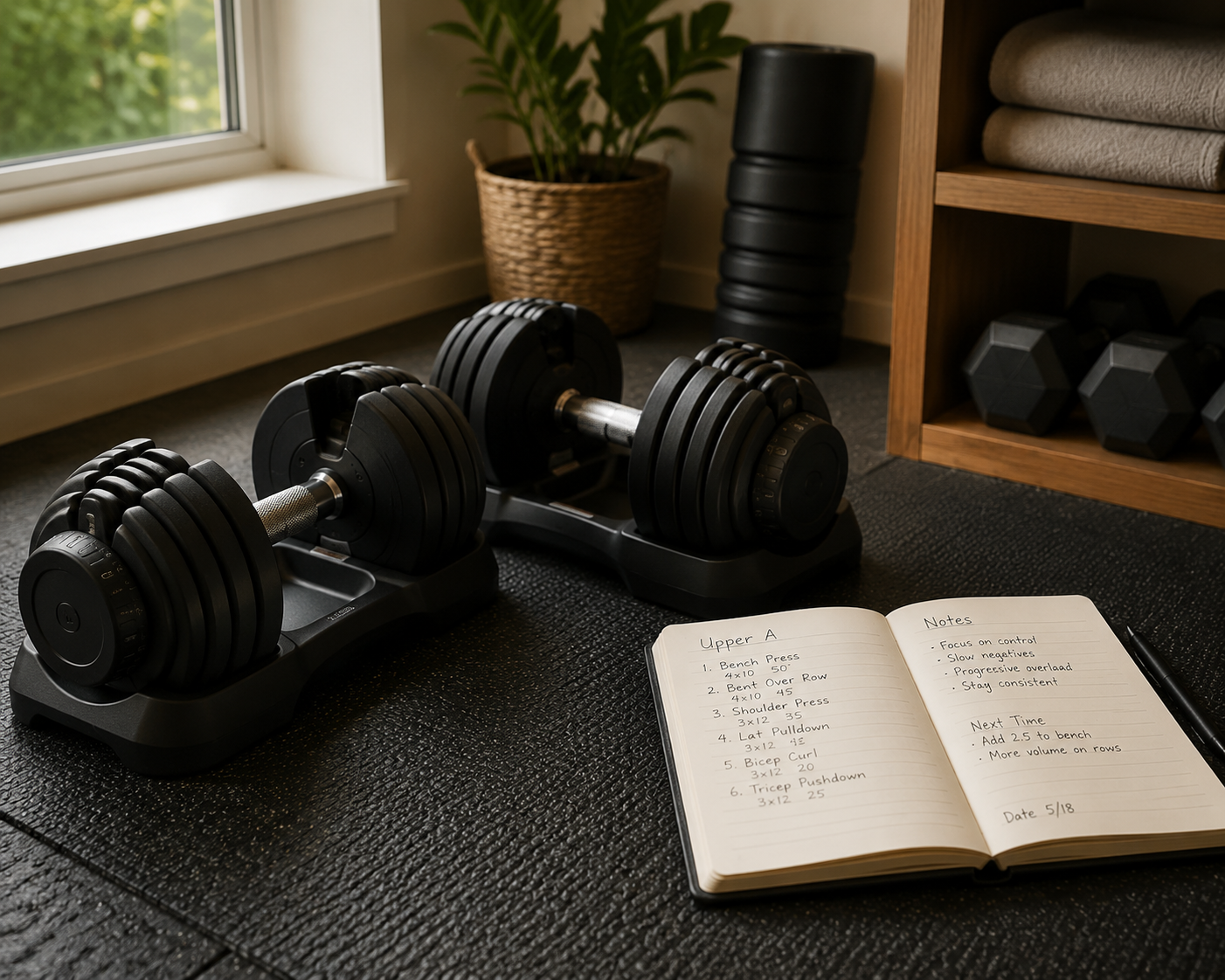
Build Muscle with This 3-Day Dumbbell-Only Full-Body Plan
A complete 3-day full-body dumbbell workout plan with exercise selection, weight guidance, and a double-progression system that helps home gym beginners and intermediates build muscle without needing heavier dumbbells every week.
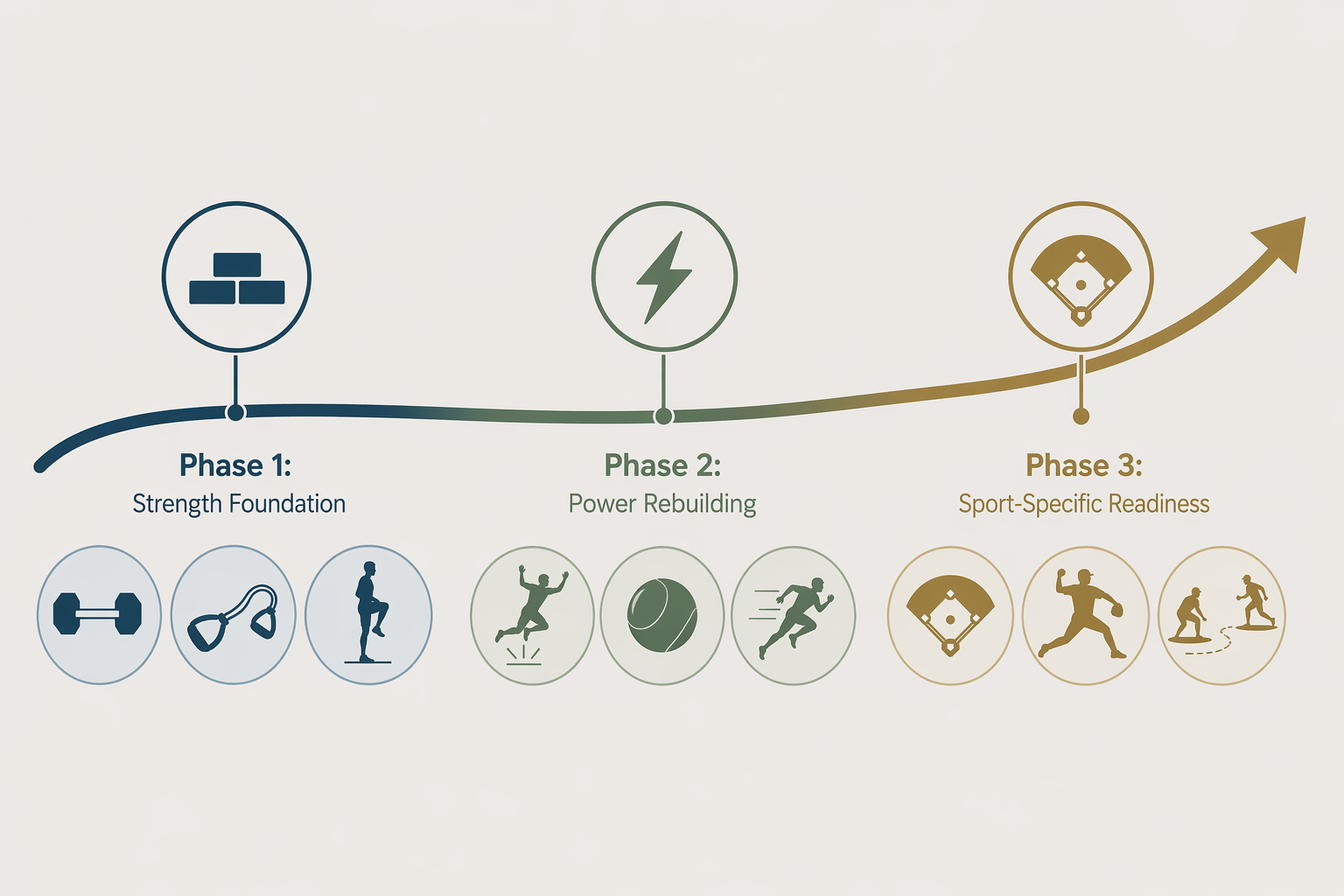
A 3-Phase Routine for Your Baseball Injury Comeback
Most baseball players leave physical therapy cleared to move but not ready to play. This 3-phase training routine bridges the gap from post-rehab to game readiness with progressively loaded strength, power, and sport-specific drills you can do at home with minimal equipment.
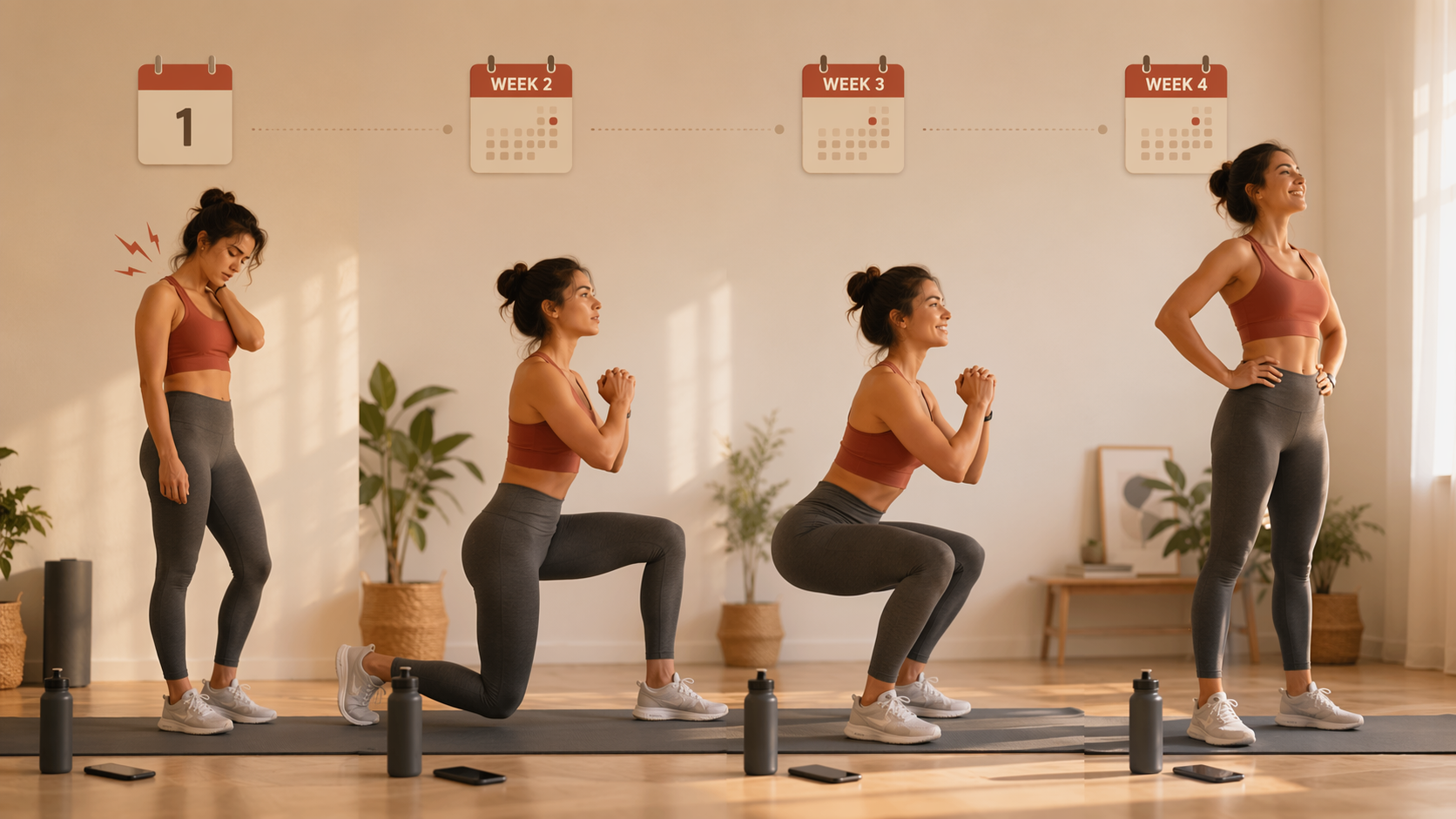
Your First 30 Days with a Workout App: A Week-by-Week Roadmap for Beginners
A week-by-week guide for absolute beginners using a workout app for the first time, covering the typical physical and psychological changes across the first month and how to choose the right session structure and app to build a lasting habit.
Spotted a stale price or an item that's no longer available? Say so below — this is our correction channel, not just a discussion thread.
Comments
Join the discussion with an anonymous comment.