
Does the Garmin Cirqa Track Home Gym Workouts Effectively?
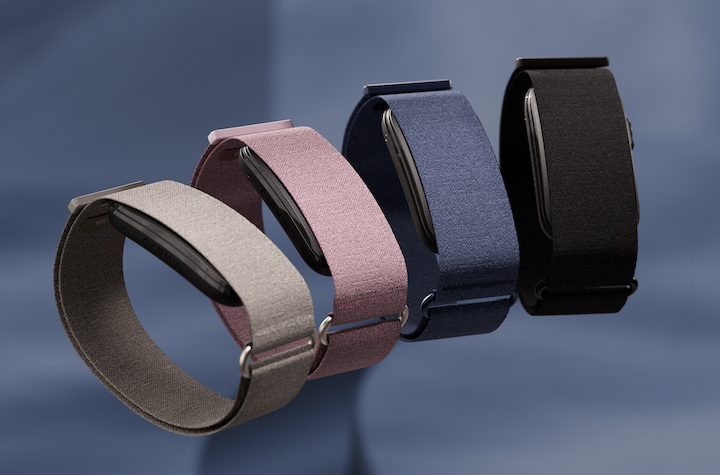
The Garmin Cirqa ($199.99, screenless) promises Garmin-grade workout logging without a subscription. This article examines how it handles strength, HIIT, indoor cardio, and bodyweight sessions for home gym owners — and whether the required phone reliance breaks the workout flow.
| Category | wearable |
|---|---|
| Folded / stored footprint | worn on wrist; no storage footprint |
| Price | $199.99 |
| Monthly subscription | $6.99 |
What the Cirqa Is Trying to Solve
Garmin's Cirqa arrives at $199.99 as a screenless band with no required subscription, and Garmin's launch materials say it supports more than 80 activity profiles while keeping Connect+ optional.[1] That makes the real question less about gadget novelty and more about flow: can a small, uncluttered tracker keep a home workout moving, or does it simply move the interruption from the wrist to the phone?
The appeal is easy to see in a cramped corner gym. There is no watch face to bang against kettlebells, no screen to crack during burpees, and nothing flashing on the wrist when a set gets messy.[5] The price of that restraint is that the phone stops being an afterthought; it becomes part of the workout setup, which is fine only if reaching for it does not break the rhythm.
How a Home Session Actually Feels
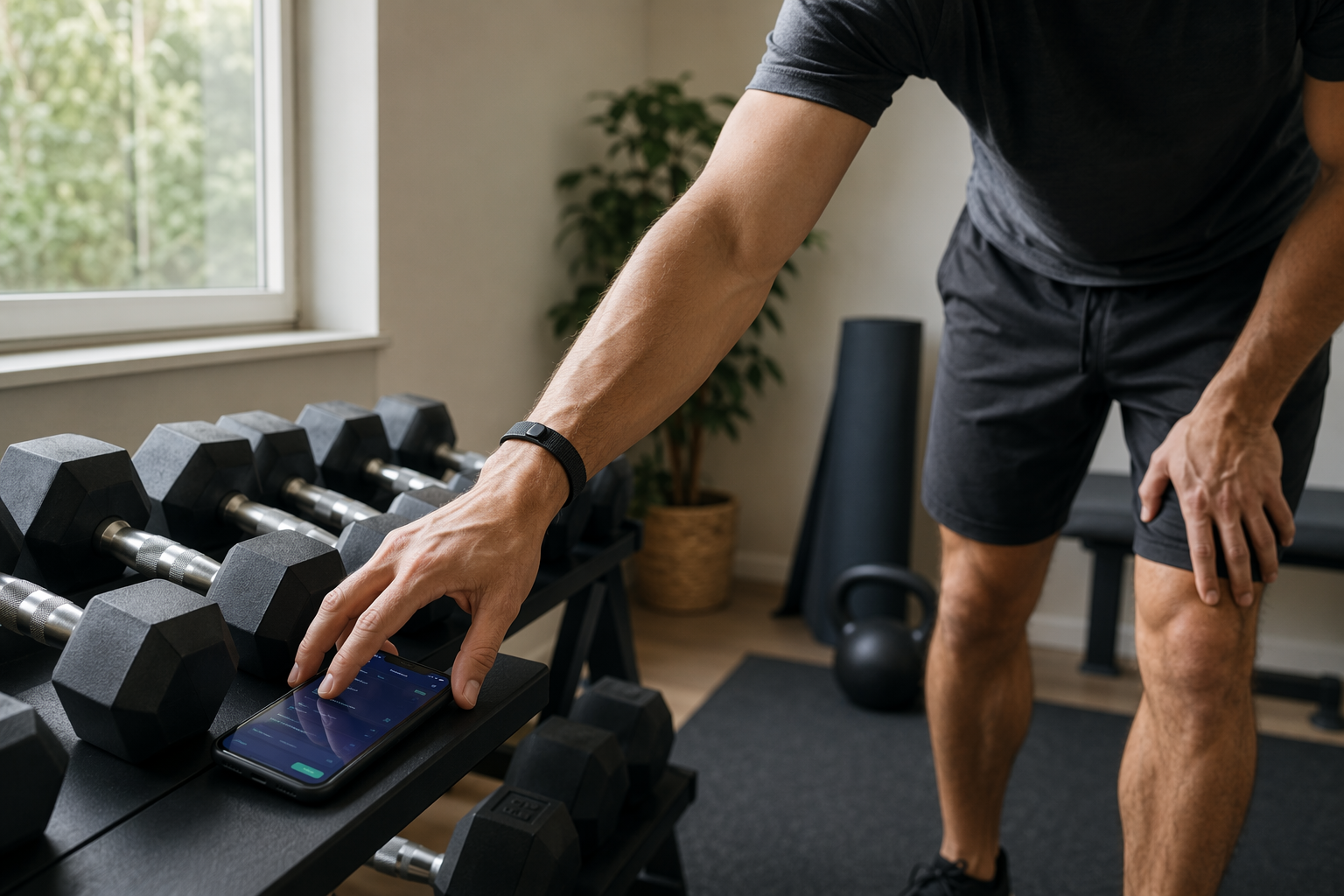
In practice, the Cirqa looks most convincing when the workout already has a clear shape. Garmin's materials describe a single side button for launching activities, and the profile list covers the kind of sessions that happen in a spare room or garage corner: strength, HIIT, cardio, Pilates, yoga, jump rope, indoor rowing, treadmill running, and stair stepper work.[1][2] That is a good fit for people who want logging depth more than wrist-level control.
| Workout moment | What the Cirqa does | Where the phone matters |
|---|---|---|
| Start a strength or cardio session | Launches from the side button into one of 80+ activity profiles.[1][2] | No issue yet if the right profile is already selected. |
| Track strength work | Counts reps and tracks rest periods during strength sessions.[2] | Pause and resume mid-set require the Garmin Connect phone app.[2] |
| Indoor treadmill, bike, or rowing work | Uses connected GPS for distance tracking.[2][3] | The paired phone has to stay in Bluetooth range because there is no onboard GPS.[3] |
| Unplanned or short sessions | Auto-detect can classify activity and improve as you confirm or edit it in Garmin Connect.[2] | Real-world accuracy in home-gym use is still unverified. |
That last row is the part to watch. Garmin says auto-detect learns from the corrections you make in Connect, which sounds useful for short, mixed sessions that jump from dumbbells to bodyweight to a quick rower burst.[2] The launch materials do not prove how well it handles sweaty hands, half-finished circuits, or the kind of stop-start pacing that defines real home training, so that promise should stay provisional until independent testing catches up.
What Stays Free, and What Does Not
The upside of the Cirqa's $199.99 price is that the useful training stack stays in the free Garmin layer. Tom's Guide reported that Training Readiness, HRV Status, Body Battery, recovery time, stress tracking, and sleep score are available without a subscription.[4] For a home-gym owner, that matters because the value is in logging and recovery, not in paying extra for the basics.
Connect+ is the optional add-on. Garmin's launch materials say the paid tier brings guided workouts for cardio, strength, HIIT, yoga, and Pilates, plus coaching plans, Live Activities, and nutrition tracking at $6.99 a month or $69.99 a year.[1] That split keeps the core workflow simple: the band records the workout, and the subscription only matters if the extra coaching layer is worth the fee.
Battery life is practical rather than flashy. Tom's Guide reported up to seven days, which is enough to avoid turning charging into a weekly interruption.[4] The lack of onboard GPS and ANT+ also keeps the hardware small, but it means the Cirqa cannot stand alone for outdoor runs or directly pair with gym equipment; the phone remains part of the system.[3]
That leaves the Cirqa in a narrow but useful lane. For home gym owners who keep a phone nearby and care more about logging depth than glanceability, the band looks genuinely compelling. For lifters who want to pause, switch, and inspect a workout from the wrist, the screenless design is likely to interrupt the very sessions it is meant to record.
References
- Meet CIRQA Smart Band: The screen-free health and fitness tracker from Garmin - PR Newswire, July 21, 2026
- CIRQA Smart Band - Garmin Wiki - Garmin Wiki
- Garmin Cirqa lacks a key feature - TechRadar, July 22, 2026
- Garmin Cirqa Smart Band launch - Tom's Guide, July 21, 2026
- Garmin Cirqa Is Here: 10 Top Facts - Forbes, July 21, 2026
Verify further before you buy:
Price or spec changed since we checked? Report it below.
Comments
Join the discussion with an anonymous comment.