How to Practice Basketball at Home Without Noise Complaints
Learn how to run a full basketball workout in a small apartment without noise complaints. This guide covers no-dribble handling drills, wall form shooting, and silent ball options that let you train without disturbing neighbors.
Trust check
This pick is scored against a public rubric, not affiliate revenue. Read the methodology, or check the safety & recall status of items in this build.
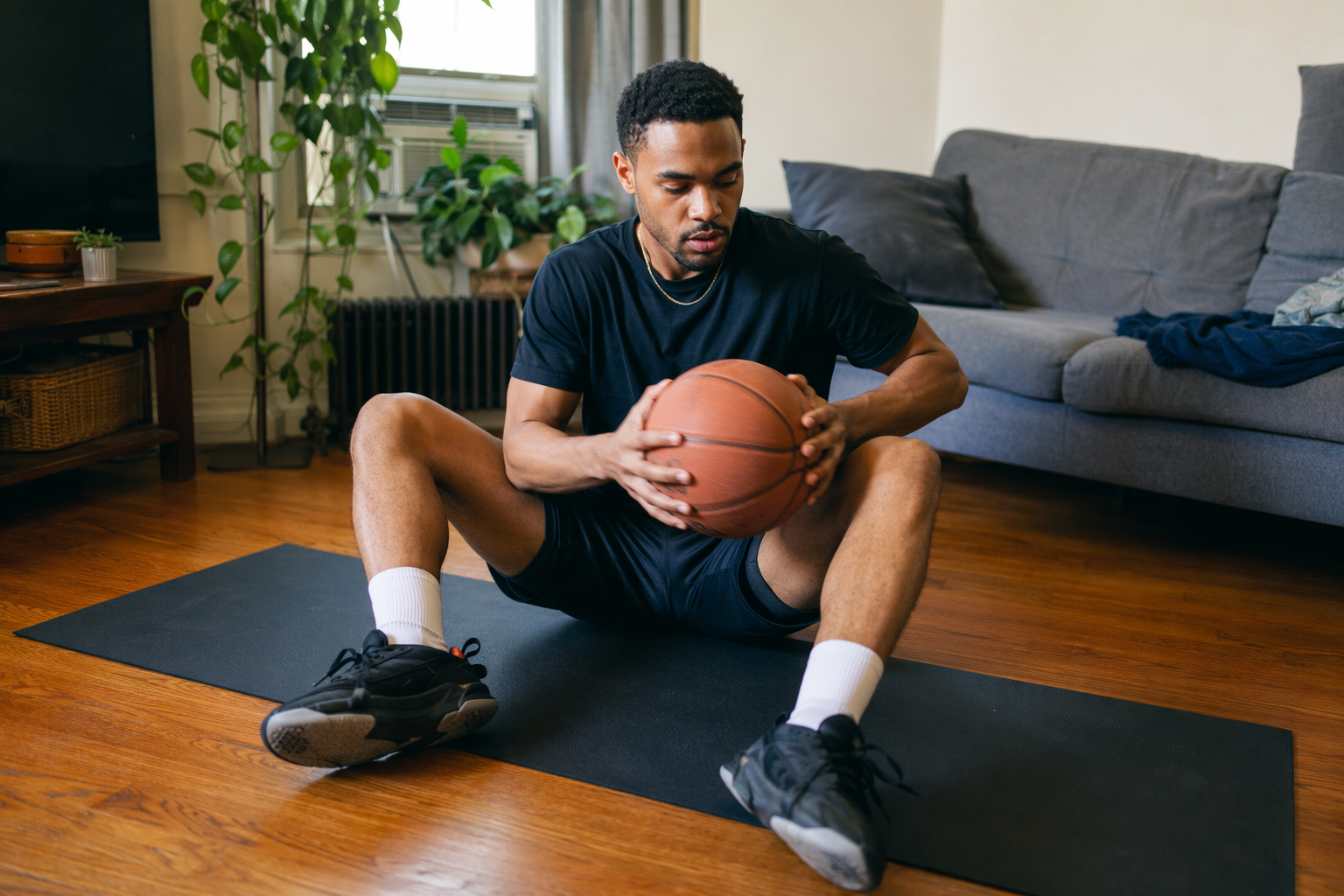
Most basketball home workout drills quietly assume something apartment players may not have: a driveway, a garage, a basement, a hoop, or at least a floor where one hard dribble does not sound like a bowling ball dropped from shoulder height. That is the real constraint. Not motivation. Not discipline. The problem is that a normal ball hitting a thin apartment floor can turn a reasonable workout into 40 minutes of repetitive thuds for someone below you.
The demand is not imaginary. A Reddit r/BasketballTips thread titled “How do I practice at home without making noise?” has drawn sustained discussion from players trying to solve exactly this problem: they want to train, but bouncing indoors is the issue.[1] The useful answer starts by separating two kinds of apartment practice: no-bounce training and quiet-bounce training.
No-bounce training costs nothing. It uses wraps, figure-8s, spider taps, seated handling, wall form shooting, pivots, defensive stance work, and bodyweight conditioning. Quiet-bounce training adds a silent basketball so you can bring back dribbling without bringing back the floor noise. Both can be real basketball practice if they train the same mechanics you need on court: finger-pad control, clean release, balance, pivot discipline, and low defensive movement.
What Counts as Quiet Basketball Practice?
A quiet apartment workout is not a gym workout performed more timidly. If you are trying to “soft dribble” a regular basketball on hardwood or laminate, you are usually training yourself to be careful instead of training yourself to be better. The better standard is simple: if the drill keeps the basketball quality and removes the noise source, it belongs.
That is why no-dribble handling matters. US Sports Camps’ at-home basketball drill list includes ball wraps, figure-8s, and shooting-form work that can be done away from a full court.[2] QBounce’s indoor drill guide also emphasizes home-friendly ball handling and form work, while PlayGloba’s no-equipment training guide supports the idea that meaningful basketball work can happen without a hoop or a full setup.[3][4]
For space, think small-room footprint rather than a measured court substitute. Ball handling alone can fit around a yoga mat. Footwork and conditioning need more clearance, but the “10x10 ft” idea is best treated as a generous upper bound, not a rule. If you can clear a patch of floor without kicking a table leg, you can run the short version. If you can take two controlled slides each direction, you can run most of the full version.
The $0 Apartment Basketball Workout
Start here even if you are planning to buy a silent ball later. The no-bounce circuit proves whether your space, schedule, and floor situation can support a habit before equipment gets involved. It also protects the parts of basketball that quiet-product ads sometimes skip: touch, posture, eyes, feet, and repeatable shooting mechanics.
| Block | Time | What You Do | Noise Level |
|---|---|---|---|
| Warm-up handling | 3 minutes | Neck, waist, leg, and figure-8 wraps | Silent except hand contact on the ball |
| Control circuit | 5 minutes | Spider taps, fingertip taps, seated figure-8s | Silent |
| Wall form shooting | 5 minutes | One-hand release, guide-hand reps, wall target work | Very quiet if the ball is caught softly |
| Footwork | 4 minutes | Pivots, jab steps, jump stops without jumping high | Quiet if feet stay controlled |
| Defensive and core finisher | 3 minutes | Wall sit, low stance holds, plank shoulder taps | Silent |
Warm-Up Handling: Make Your Hands Work Before Your Feet Do
Use a real basketball if you have one. Stand tall first, then move into a slight athletic bend. Run the ball around your neck, waist, each leg, then both legs in a figure-8. Do not slap the ball. Keep it on your finger pads and move it quickly enough that you have to pay attention.
- 30 seconds: neck wraps, both directions
- 30 seconds: waist wraps, both directions
- 30 seconds: right-leg wraps, then left-leg wraps
- 60 seconds: standing figure-8s through the legs
- 30 seconds: quick fingertip taps from chest to forehead height
These are not filler drills. US Sports Camps includes wraps and figure-8s among at-home basketball drills because they train coordination and ball familiarity without needing a court.[2] If the ball keeps slipping out of your hands, slow down until the path is clean, then speed up. A quiet workout should still expose sloppy contact.
Control Circuit: Spider Taps, Seated Work, and Eyes-Up Discipline
The control circuit is where the session starts to feel like practice instead of just moving a ball around. Spider taps are especially useful in an apartment because they mimic quick hand changes without a bounce: hold the ball between your feet in a low stance, tap it with one hand in front, the other hand in front, then one hand behind, the other hand behind. Keep the ball off the floor.
Hustle Training’s at-home ball-handling workout includes stationary drills such as spider dribbles and figure-8 patterns and notes that this kind of stationary work can be done in a bedroom-sized area.[5] The commonly repeated 4x4 ft space idea is best treated as a practical estimate rather than a measured guarantee, so the safer takeaway is this: stationary handling needs very little floor, but it still needs enough clearance that your elbows and knees are not hitting furniture.
- 45 seconds: spider taps in a low stance
- 45 seconds: seated figure-8s, legs slightly lifted if you can control it
- 45 seconds: fingertip taps with eyes forward
- 45 seconds: ball circles around one knee while seated, then switch
- 60 seconds: repeat your weakest drill instead of adding a new one
The eyes-forward part matters. In a small room, it is tempting to stare at the ball because there is nothing else happening. Pick a point on the wall, a door hinge, or a taped mark and keep your vision there for parts of each set. That gives the drill a basketball job instead of turning it into a juggling trick.
Wall Form Shooting Without a Hoop
Wall shooting is the apartment drill that needs the most restraint. The point is not to fire the ball into drywall. The point is to rehearse release path, guide-hand behavior, wrist finish, and arc. If you have a wall you are allowed to use, place a small removable tape mark at a comfortable target height. Some at-home drill guides discuss using wall targets or form-shooting work when a hoop is unavailable, including US Sports Camps and QBounce.[2][3]
If marking a 10-ft line makes sense in your room, treat it as a reference point, not a requirement. Many apartments do not give you a clean wall, a safe rebound path, or permission to put tape wherever you want. A lower mark can still train a straight release if you stand close and catch the ball softly.
- One-hand form reps: shooting hand under the ball, guide hand off, soft toss to the wall, clean catch.
- Guide-hand reps: add the guide hand but make sure it does not push the ball sideways.
- Floor-release reps: sit or kneel, lift the ball into your release pocket, finish with wrist and fingers.
- Pause reps: hold the follow-through until the ball returns or drops into your hands.
Do 25 clean reps before you care about speed. A quiet catch is part of the rep. If the ball is smacking the wall, bouncing away, and making you chase it across the room, the drill has already left apartment mode.
Footwork That Does Not Shake the Floor
Apartment footwork has one rule: control beats impact. You can train pivots, jab steps, defensive stance, closeout posture, and jump-stop mechanics without stomping. Use shoes only if they do not squeak or mark the floor. Barefoot or socks may be quieter, but only if the surface is safe and not slippery.
| Drill | How to Keep It Quiet | Basketball Skill |
|---|---|---|
| Front pivot / reverse pivot | Keep the pivot foot glued and rotate slowly before speeding up | Triple-threat balance and foot discipline |
| Jab step series | Step out and pull back without stomping | Creating space without losing balance |
| Defensive slides | Stay low and slide only as far as your room allows | Lateral stance and hip endurance |
| Jump stops | Make them step-stops first, then small soft landings | Landing balance and control |
The phrase “jump stop” is dangerous in a second-floor apartment if you take it literally. Start with a stride stop: step, gather, land in balance with both feet under control. If your floor allows it, progress to tiny hops where the landing is quiet enough that you would not feel guilty doing ten in a row after 9 p.m.
Conditioning That Still Feels Like Basketball
Conditioning in this workout should not become burpees and jumping jacks just because those are easy to list. The quieter choices are also more basketball-specific: wall sits, split squats, reverse lunges, low stance holds, planks, and slow mountain climbers. PlayGloba’s no-equipment basketball training guidance supports using bodyweight work at home when equipment and court access are limited.[4]
- Wall sit: 30 to 45 seconds, knees comfortable, chest tall
- Reverse lunges: 8 controlled reps per side, quiet back foot
- Low defensive stance hold: 30 seconds, hands active
- Plank shoulder taps: 20 total taps, hips steady
A 20-Minute Quick Circuit You Can Run Tonight
This is the version for a weeknight, a small room, and a neighbor you do not want to test. Set a timer and move through the work. Do not add more drills just because you know more drills. The value is repeatability.
| Minute | Work |
|---|---|
| 0:00-3:00 | Ball wraps: neck, waist, legs, figure-8s |
| 3:00-7:00 | Spider taps, fingertip taps, seated figure-8s |
| 7:00-12:00 | Wall form shooting or floor-release reps |
| 12:00-16:00 | Pivots, jab steps, controlled jump stops |
| 16:00-20:00 | Wall sit, defensive stance hold, plank shoulder taps |
If wall shooting is not renter-safe in your place, replace those five minutes with release reps on your knees or seated on the floor. Hold the finish, check the guide hand, bring the ball back to your pocket, repeat. You lose the target, but you keep the release mechanics.
The 40-Minute Full Apartment Workout
The full version does not need to be louder. It simply gives each skill more time and adds fatigue gradually. This is the better session for days when you would have gone to the court but weather, daylight, or schedule traps you inside.
| Block | Time | Focus |
|---|---|---|
| Handling warm-up | 5 minutes | Wraps, figure-8s, fingertip taps |
| No-bounce control | 8 minutes | Spider taps, seated figure-8s, eyes-up variations |
| Form shooting | 8 minutes | Wall target, one-hand reps, guide-hand reps, floor release |
| Footwork | 8 minutes | Pivots, jab steps, soft jump stops, short defensive slides |
| Basketball conditioning | 8 minutes | Wall sits, lunges, low stance holds, core |
| Cool-down touch | 3 minutes | Slow wraps and weak-hand control |
The extra time should go to quality, not punishment. In the handling block, add weak-hand starts. In the shooting block, film a few reps if you have room to set your phone safely. In the footwork block, make each pivot finish in a balanced triple-threat position. The apartment version rewards clean repetition because the room gives you nowhere to hide bad balance.
If you want a related quiet-training option for days when outdoor plans fall apart completely, FitAtHome’s storm-day indoor workout follows the same basic logic: keep the session useful without turning the room into a noise complaint.
What a Silent Ball Changes
A silent ball is the one upgrade that changes the workout category. No-bounce training can build real touch and mechanics, but it cannot fully replace live dribbling rhythm, pocket timing, or the feel of moving from one bounce to the next. A foam or quiet training ball gives you back dribbling patterns while reducing the repeated impact noise that makes regular indoor dribbling so hostile to shared floors.
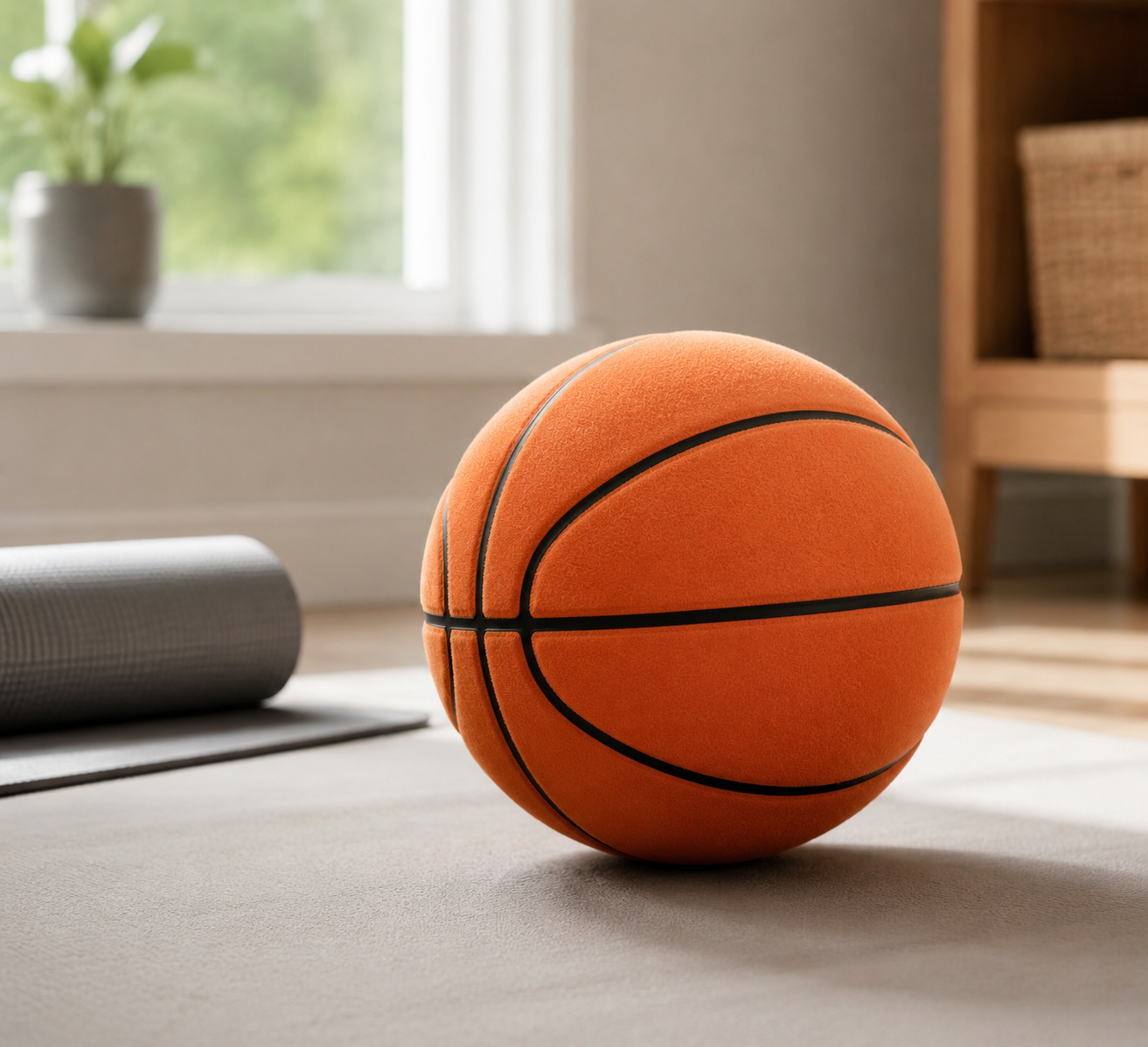
Current retail pricing for silent basketball options such as SilentBall, QBounce Quiet Ball, and Clutch Quiet Ball is commonly discussed in the approximate $14-$50 range, but prices fluctuate and should be checked close to publication or purchase.[6] SilentBall Academy sells a training kit positioned for quiet ball-handling practice, which is useful context, but it is still a vendor product page rather than independent evidence that every apartment setup will be complaint-proof.[6]
The right expectation is not “silent in every building.” It is “quiet enough to make real dribbling plausible indoors when used with judgment.” Floor type, mat thickness, time of day, and neighbor sensitivity still matter. I would still test it with short sessions before declaring open season on 30-minute pound-dribble workouts.
The Quiet-Bounce Upgrade Circuit
Once a silent ball is in the room, keep the no-bounce work. Do not replace all of it with dribbling. The best version combines touch drills that do not need a bounce with controlled dribbling that now becomes possible.
| Block | Time | What Changes With a Silent Ball |
|---|---|---|
| No-bounce warm-up | 5 minutes | Same wraps and figure-8s; prepares hands before bouncing |
| Stationary dribbling | 8 minutes | Pounds, low dribbles, crossovers, between-the-leg patterns if space allows |
| Wall form shooting | 7 minutes | Same release work; dribbling does not replace shooting mechanics |
| Combo handling | 8 minutes | Dribble into pickup, pivot, rip-through, reset |
| Footwork and conditioning | 10 minutes | Same quiet stance, pivot, lunge, and wall-sit work |
| Cool-down | 2 minutes | Soft weak-hand dribbles or slow wraps |
Hustle Training’s at-home ball-handling library includes stationary dribbling patterns such as pound dribbles, spider work, and figure-8 variations, while QBounce’s indoor drill guide supports the use of indoor handling drills for home practice.[5][3] With a quiet ball, those patterns become more apartment-realistic because the main noise source is reduced.
- Pound dribbles: keep them controlled first; do not chase maximum force.
- Low dribbles: work below the knee with finger-pad contact.
- Crossovers: stay compact and keep the ball inside your frame.
- Dribble-pickup-pivot: bounce twice, gather, pivot, protect, reset.
- Seated dribbles: useful when floor space is tight or you want lower impact.
The dribble-pickup-pivot sequence is the most apartment-useful upgrade because it joins skills that usually get separated. You are not just bouncing in place. You are dribbling, gathering without traveling, finding a pivot foot, and protecting the ball. That transfers better than seeing how long you can pound a foam ball while your shoulders creep up to your ears.
Choosing the Right Setup for Your Floor, Budget, and Neighbors
The setup decision is less about owning basketball gear and more about controlling three constraints: impact, marks, and storage. A renter with downstairs neighbors should think differently from someone on a ground floor with carpet. A player on tile needs different protection than someone on a thick rug. If your lease, floor, or neighbor situation is strict, start with the no-bounce workout and add equipment only after you know where the session will live.
| Situation | Best Starting Point | Why |
|---|---|---|
| No budget or strict lease | $0 no-bounce circuit | No new equipment, no bounce noise, lowest floor risk |
| Thin floors or downstairs neighbor | No-bounce circuit plus cautious silent-ball test | Dribbling may be possible, but impact still needs testing |
| Hard floor that marks easily | Mat first, then silent ball | Protects the surface before adding repeated contact |
| Small room with furniture | Seated and stationary drills | Keeps elbows, knees, and ball path under control |
| Ground floor or tolerant space | Silent-ball circuit | Allows more standard dribbling patterns |
For floor protection, a non-marking mat is usually more useful than another gadget. FitAtHome’s home gym flooring on a budget guide is the adjacent problem to solve before you start bouncing anything indoors: what goes between your workout and the floor you do not own.
If you are comparing small-space gear beyond the ball itself, use renter filters first. FitAtHome’s guide to choosing compact home gym equipment based on real constraints is more relevant than a generic equipment list because noise tolerance and renter restrictions change what “good equipment” means. The broader compact home gym equipment categories page can help if you are deciding whether bands, a mat, or a small conditioning tool belongs in the same corner as your basketball work.
A silent ball plus mat plus resistance bands can still sit far below a large home-gym budget, but it is worth keeping the spending ladder honest. If you are planning a broader build, FitAtHome’s under-$1,000 home gym guide gives budget-tier context. For this basketball workout, though, the first useful dollar usually goes toward protecting the floor or making dribbling quieter, not toward making the room look like a gym.
Small Adjustments That Prevent Complaints
Noise control is not just about the ball. It is also the way you enter and exit reps. A quiet drill can become irritating if every set ends with the ball rolling into a baseboard or every pivot lands with a heel stomp.
- Train at reasonable hours; a quiet ball at midnight is still a bad neighbor decision.
- Use a mat if the floor is hard, slippery, or easy to mark.
- Keep wall work soft; the catch should be quieter than the release.
- Shorten defensive slides instead of scraping furniture or walls.
- Test new dribbling drills for one minute before making them part of a full session.
If you can hear the rhythm clearly from the next room, someone below you may be hearing it as a pattern they cannot ignore. That does not mean you cannot train. It means the workout has to be designed for the building you are actually in.
The Practical Decision
If you have no budget, run the 20-minute no-bounce circuit three or four times a week and use the 40-minute version when you have room in the day. Wraps, figure-8s, spider taps, seated handling, wall or floor release work, pivots, defensive stance, and quiet conditioning are enough to build a real apartment basketball habit.
If you can spend under $50, a silent ball is the upgrade that restores dribbling, with the usual warning that prices vary and your floor still gets a vote. If you add anything after that, make it a renter-safe mat before you make the setup more complicated.
Apartment basketball training works when it stops trying to imitate a court at lower volume and starts preserving the mechanics that actually transfer. Quiet is not a weakness in the plan. It is part of the plan.
References
- [HELP] How do I practice at home without making noise? - Reddit r/BasketballTips - reddit.com/r/BasketballTips/comments/a8w72x/
- 11 Basketball Drills You Can Do At Home - US Sports Camps - ussportscamps.com/tips/basketball/11-basketball-drills-at-home
- 9 Indoor Basketball Drills for Home Training - QBounce - qbouncesport.com/blogs/news/inside-home-basketball-drills
- Basketball Training at Home Without Equipment - PlayGloba - playgloba.com/blog/basketball-training-at-home-without-equipment
- The Best At-Home Basketball Ball Handling Workout - Hustle Training / The Scoring Factory - hustletraining.com/blog/the-best-at-home-basketball-ball-handling-workout
- Training Kit - SilentBall Academy - silentballacademy.com/products/training-kit
Routines this build supports
12-Week At-Home Bodyweight Workout Plan (No Equipment Needed)
This 12-week bodyweight workout plan provides a progressive structure for beginners to build strength at home without any equipment. Each phase includes clear level-up gates so you know exactly when to advance to harder exercises.
12-Week Postpartum Exercise Plan for Core Recovery & Skin Firmness
This 12-week postpartum exercise routine guides you through a phased progression from pelvic floor reconnection to resistance training, designed to rebuild the muscle beneath loose belly skin while setting realistic expectations about what exercise can achieve.
Why 20-Minute Home Workouts Work for Beginners
A 20-minute home workout for beginners can deliver real fitness gains—when structured for intensity. This article explains the science behind short workouts and provides a complete follow-along routine.
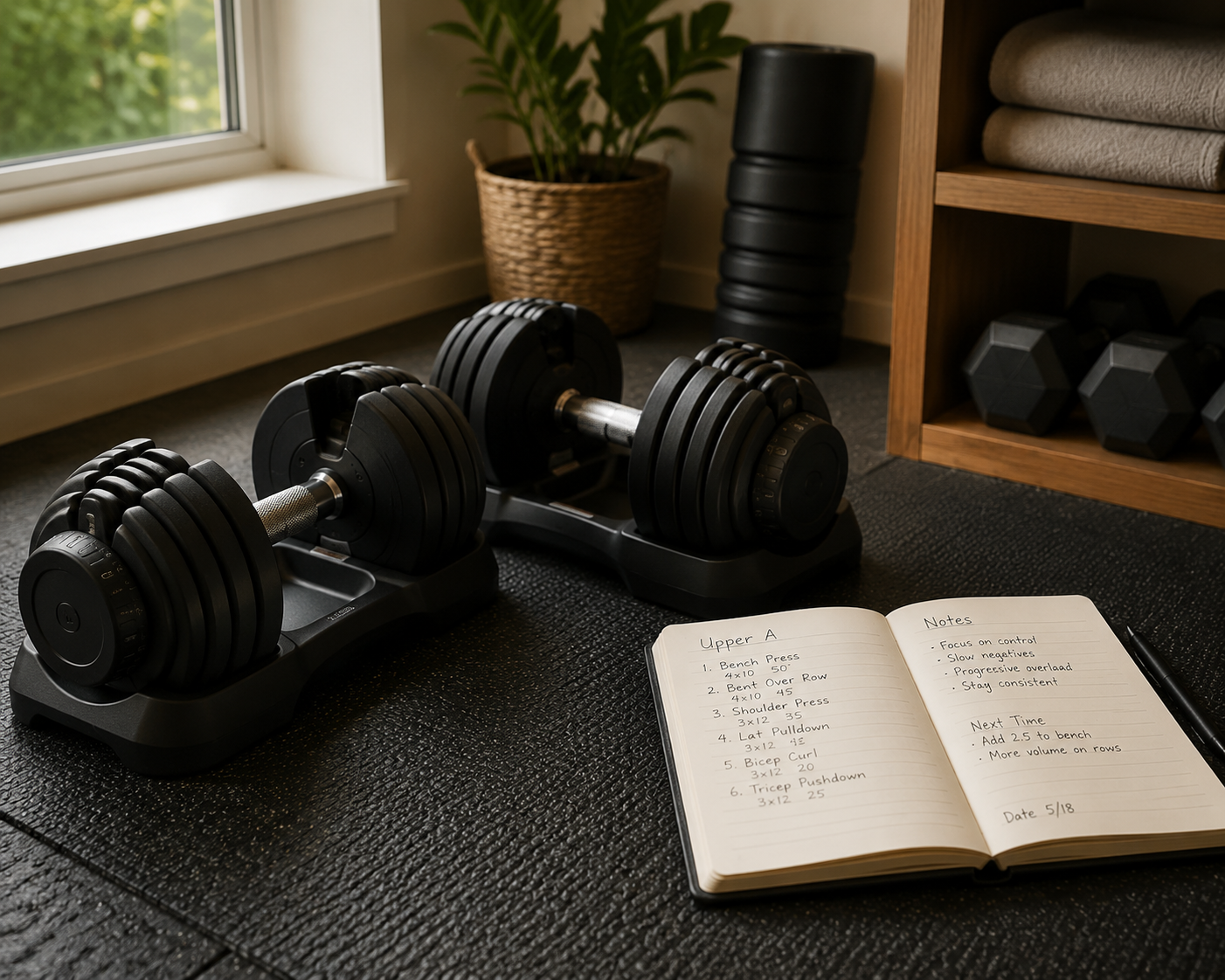
Build Muscle with This 3-Day Dumbbell-Only Full-Body Plan
A complete 3-day full-body dumbbell workout plan with exercise selection, weight guidance, and a double-progression system that helps home gym beginners and intermediates build muscle without needing heavier dumbbells every week.
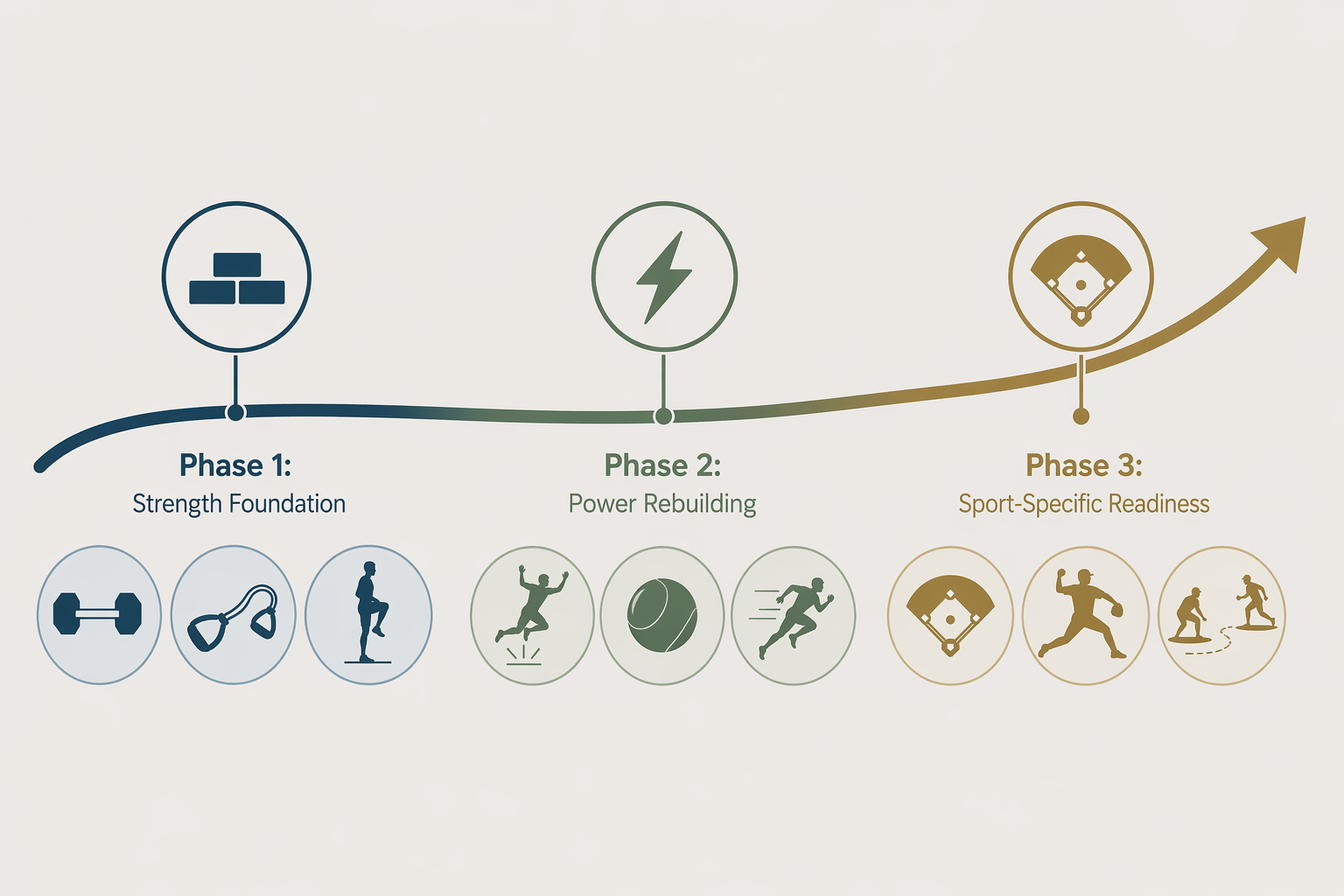
A 3-Phase Routine for Your Baseball Injury Comeback
Most baseball players leave physical therapy cleared to move but not ready to play. This 3-phase training routine bridges the gap from post-rehab to game readiness with progressively loaded strength, power, and sport-specific drills you can do at home with minimal equipment.
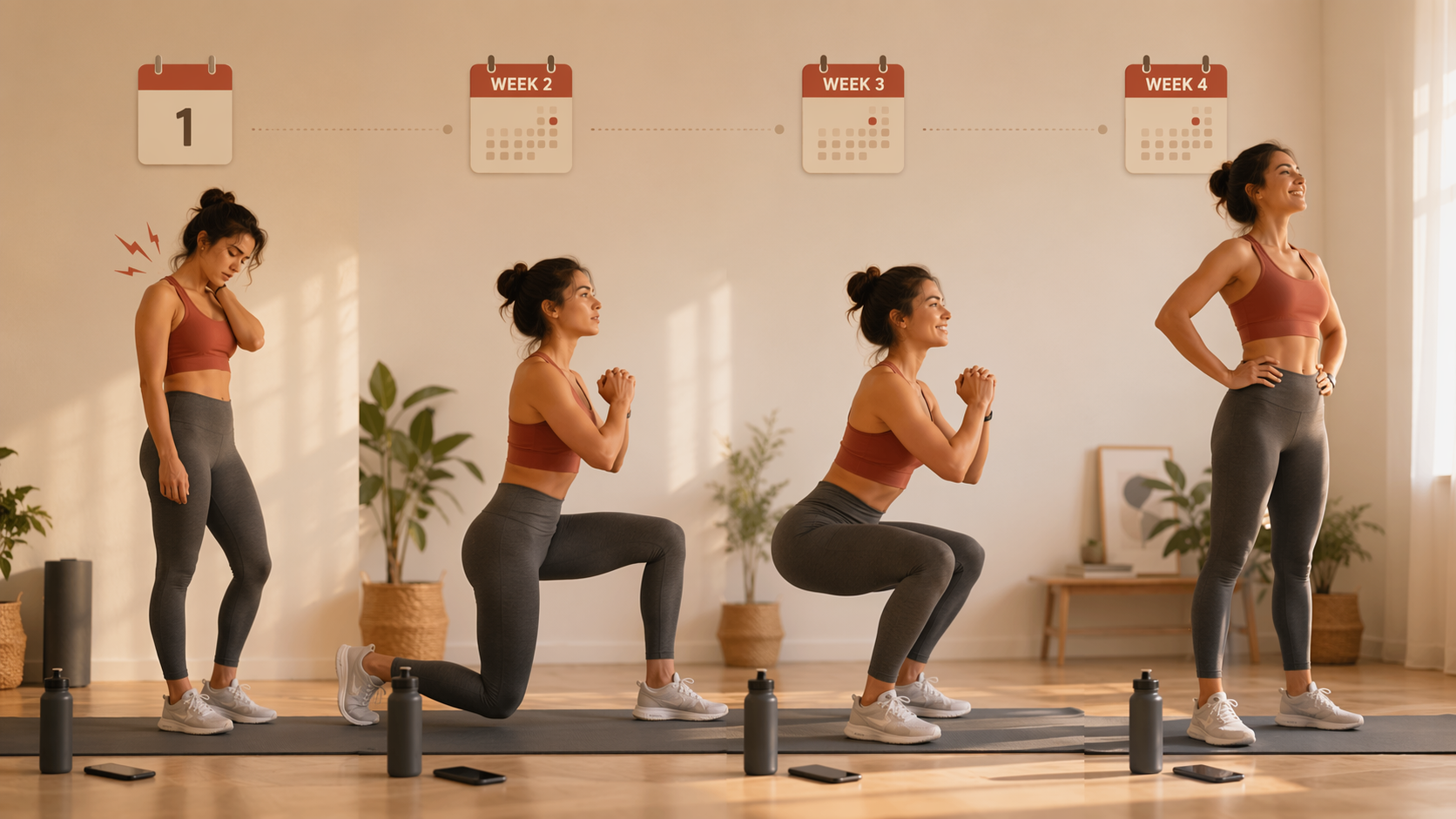
Your First 30 Days with a Workout App: A Week-by-Week Roadmap for Beginners
A week-by-week guide for absolute beginners using a workout app for the first time, covering the typical physical and psychological changes across the first month and how to choose the right session structure and app to build a lasting habit.
Spotted a stale price or an item that's no longer available? Say so below — this is our correction channel, not just a discussion thread.
Comments
Join the discussion with an anonymous comment.