
Single-Car Garage Gym Layout Guide: How to Fit a Full Strength and Cardio Setup in 10 ft x 20 ft
A practical layout guide for homeowners with a single-car garage who want a complete strength and cardio setup. Covers minimum space requirements, wall-mounted rack strategies, zone-based floor plans, and specific equipment picks to maximize every square foot.
Trust check
This pick is scored against a public rubric, not affiliate revenue. Read the methodology, or check the safety & recall status of items in this build.
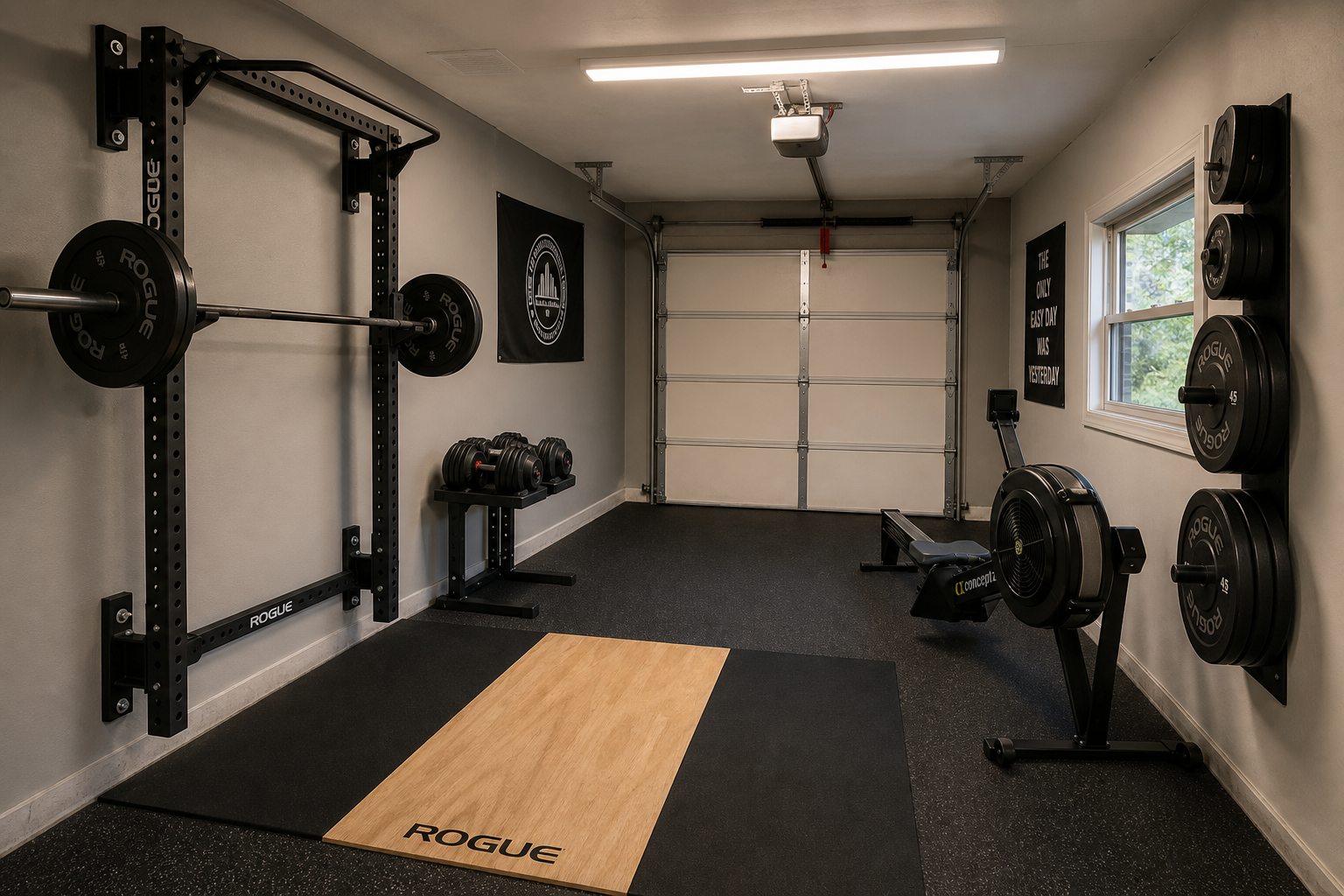
The One-Car Garage Challenge: Why Layout Matters More Than Equipment
A standard single-car garage measures roughly 10 ft wide by 20 ft deep — about 200 square feet. That is the same footprint as a modest home office or a large walk-in closet. Yet within that rectangle, thousands of homeowners are trying to park a squat rack, a bench, a barbell with plates, a cardio machine, and still have room to actually train. The most common mistake is starting with the equipment list and then trying to jam everything into the space afterward. That approach almost always fails, producing a cramped, unsafe training environment where you cannot deadlift without bumping plates into a wall or open a rack without hitting a parked car.
The thesis of this guide is straightforward: a single-car garage can accommodate a full strength and cardio setup — including a squat rack, bench, barbell, plates, and one cardio machine — if you plan the layout first and select equipment to fit that plan, not the other way around. The critical variables are wall-mounted storage, foldable racks, vertical organization, and a clear understanding of the minimum spatial thresholds required for safe barbell training.
This article focuses specifically on the spatial layout problem of a single-car garage. If you are sharing a two-car garage with vehicles or storage and need equipment selection strategies for that scenario, see our guide on Garage Workout Equipment for Small Spaces, which covers wall-mounted racks and all-in-one machines for a shared space.
Minimum Space Requirements for Safe Training
Before buying a single piece of equipment, you need to know whether your garage can physically accommodate safe barbell training. The most commonly cited minimum working space comes from GrayMatterLifting, which recommends an 8 ft x 8 ft area to safely load a barbell, perform squats and deadlifts, and move around the bar. That is 64 square feet — nearly one-third of your entire garage — dedicated to the barbell alone.
Ceiling height is the second non-negotiable dimension. Most standard power racks and foldable racks require between 81 and 89 inches of clearance when unfolded. The PRx Profile PRO, for example, is available in 81-inch, 89-inch, and 95-inch height options. Measure from the finished floor to the lowest overhead obstruction — typically the garage door track, an opener unit, or exposed ceiling joists. If your ceiling is under 81 inches, you will need a low-ceiling rack or a dedicated bench-only setup.
| Dimension | Minimum Requirement | Notes |
|---|---|---|
| Garage width | 10 ft (120 in) | Narrower garages may require a shorter barbell or offset rack placement |
| Garage depth | 18 ft (216 in) | Shorter garages limit deadlift platform length and cardio machine placement |
| Ceiling height | 81–89 in | Depends on rack height; measure from floor to lowest overhead obstruction |
| Barbell working area | 8 ft x 8 ft (64 sq ft) | Expert recommendation for safe barbell loading, squatting, and deadlifting |
| Rack unfolded depth | 29–31 in | Wall-mounted foldable racks reduce this to ~4 in when folded |
Routines this build supports
12-Week At-Home Bodyweight Workout Plan (No Equipment Needed)
This 12-week bodyweight workout plan provides a progressive structure for beginners to build strength at home without any equipment. Each phase includes clear level-up gates so you know exactly when to advance to harder exercises.
12-Week Postpartum Exercise Plan for Core Recovery & Skin Firmness
This 12-week postpartum exercise routine guides you through a phased progression from pelvic floor reconnection to resistance training, designed to rebuild the muscle beneath loose belly skin while setting realistic expectations about what exercise can achieve.
Why 20-Minute Home Workouts Work for Beginners
A 20-minute home workout for beginners can deliver real fitness gains—when structured for intensity. This article explains the science behind short workouts and provides a complete follow-along routine.
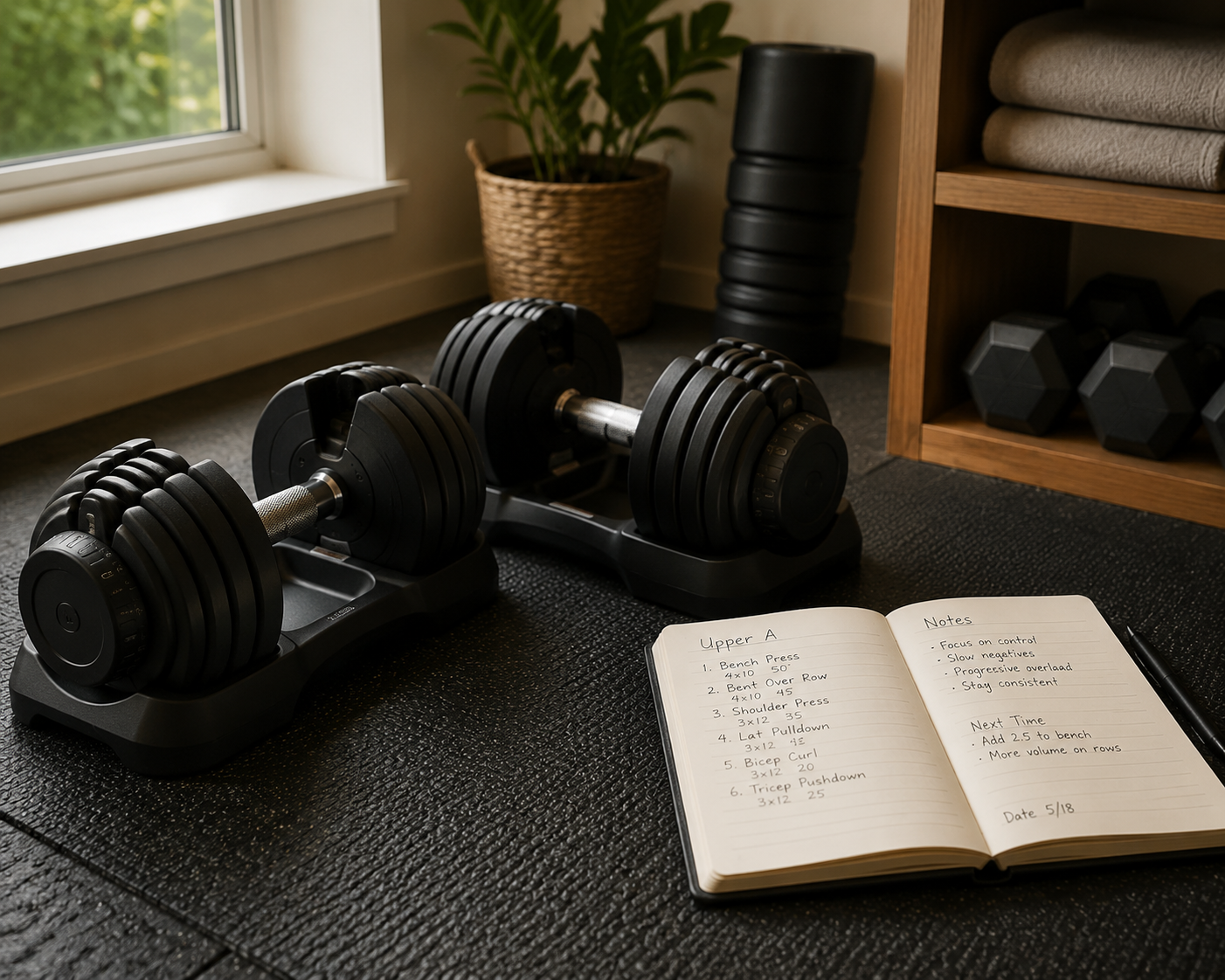
Build Muscle with This 3-Day Dumbbell-Only Full-Body Plan
A complete 3-day full-body dumbbell workout plan with exercise selection, weight guidance, and a double-progression system that helps home gym beginners and intermediates build muscle without needing heavier dumbbells every week.
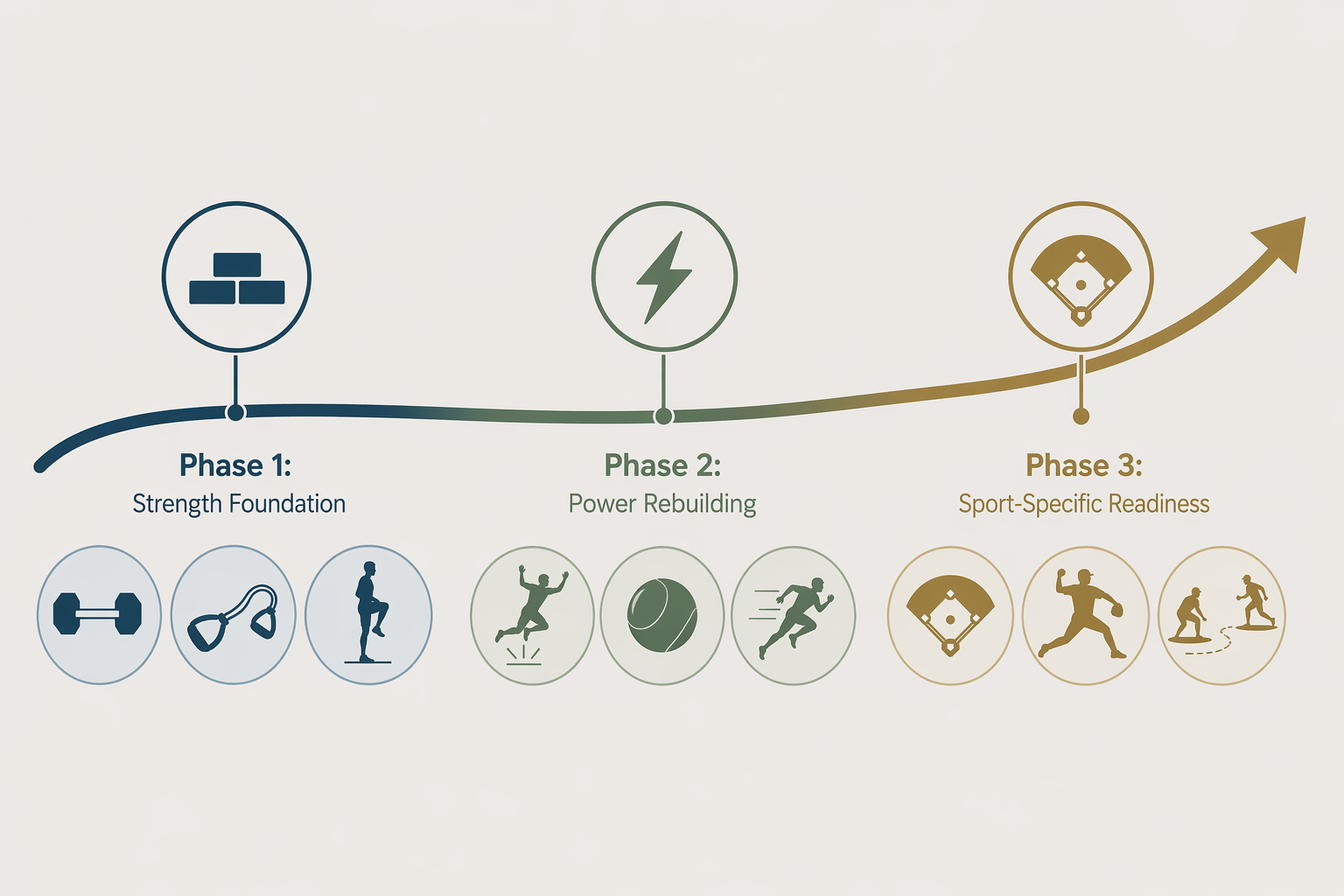
A 3-Phase Routine for Your Baseball Injury Comeback
Most baseball players leave physical therapy cleared to move but not ready to play. This 3-phase training routine bridges the gap from post-rehab to game readiness with progressively loaded strength, power, and sport-specific drills you can do at home with minimal equipment.
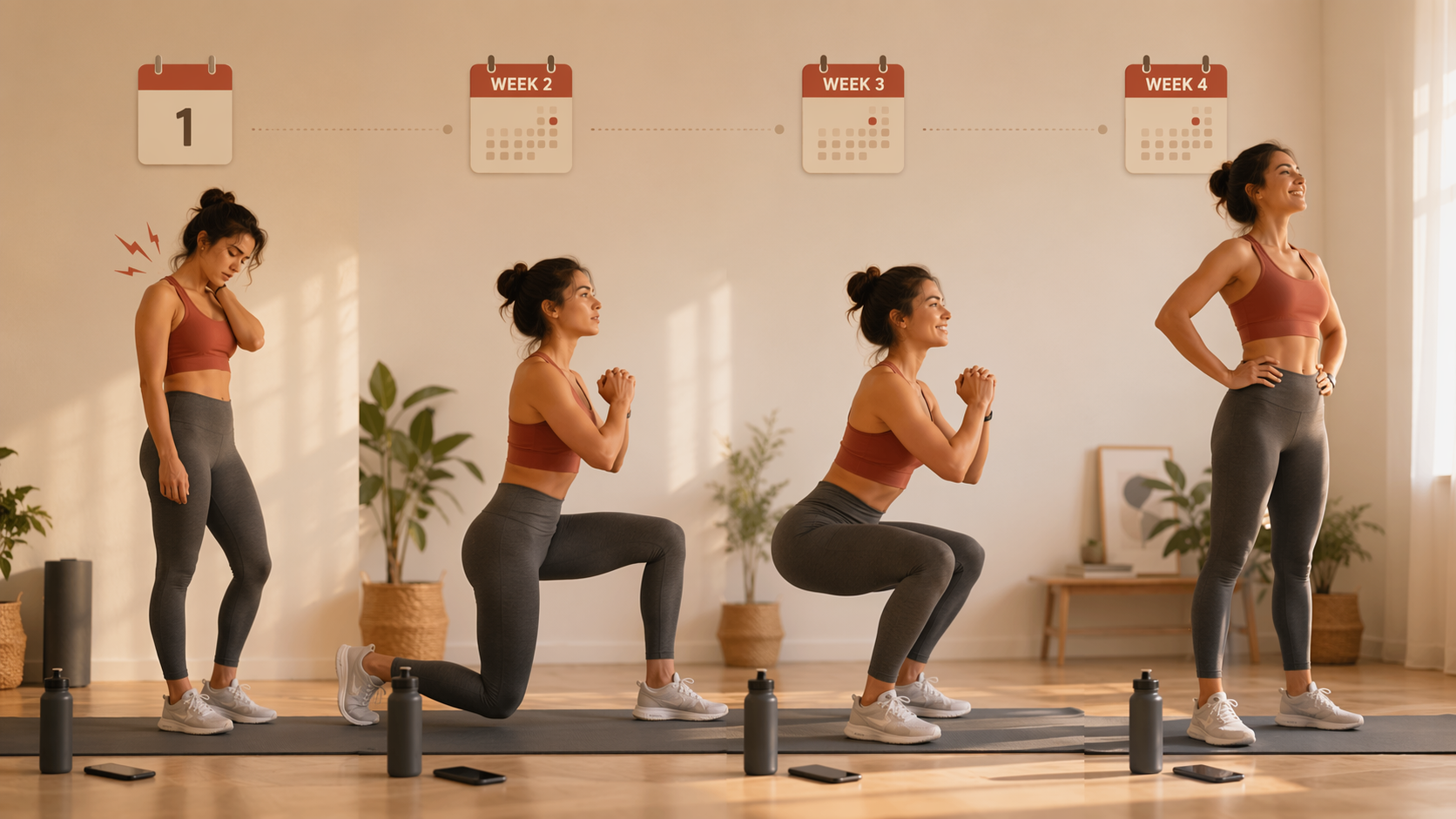
Your First 30 Days with a Workout App: A Week-by-Week Roadmap for Beginners
A week-by-week guide for absolute beginners using a workout app for the first time, covering the typical physical and psychological changes across the first month and how to choose the right session structure and app to build a lasting habit.
Spotted a stale price or an item that's no longer available? Say so below — this is our correction channel, not just a discussion thread.
Comments
Join the discussion with an anonymous comment.