The Complete Small-Space Home Gym Buyer's Decision Guide: Match Equipment to Your Space, Budget, and Goals
A structured framework for apartment dwellers and small-space residents to choose the right home gym equipment. This guide moves beyond product lists to help you match equipment to your specific space type, training goals, and budget using a cross-referenced decision matrix and three complete sample builds.
Trust check
This pick is scored against a public rubric, not affiliate revenue. Read the methodology, or check the safety & recall status of items in this build.
Why Most Small-Space Home Gym Guides Fail (and How This One Is Different)
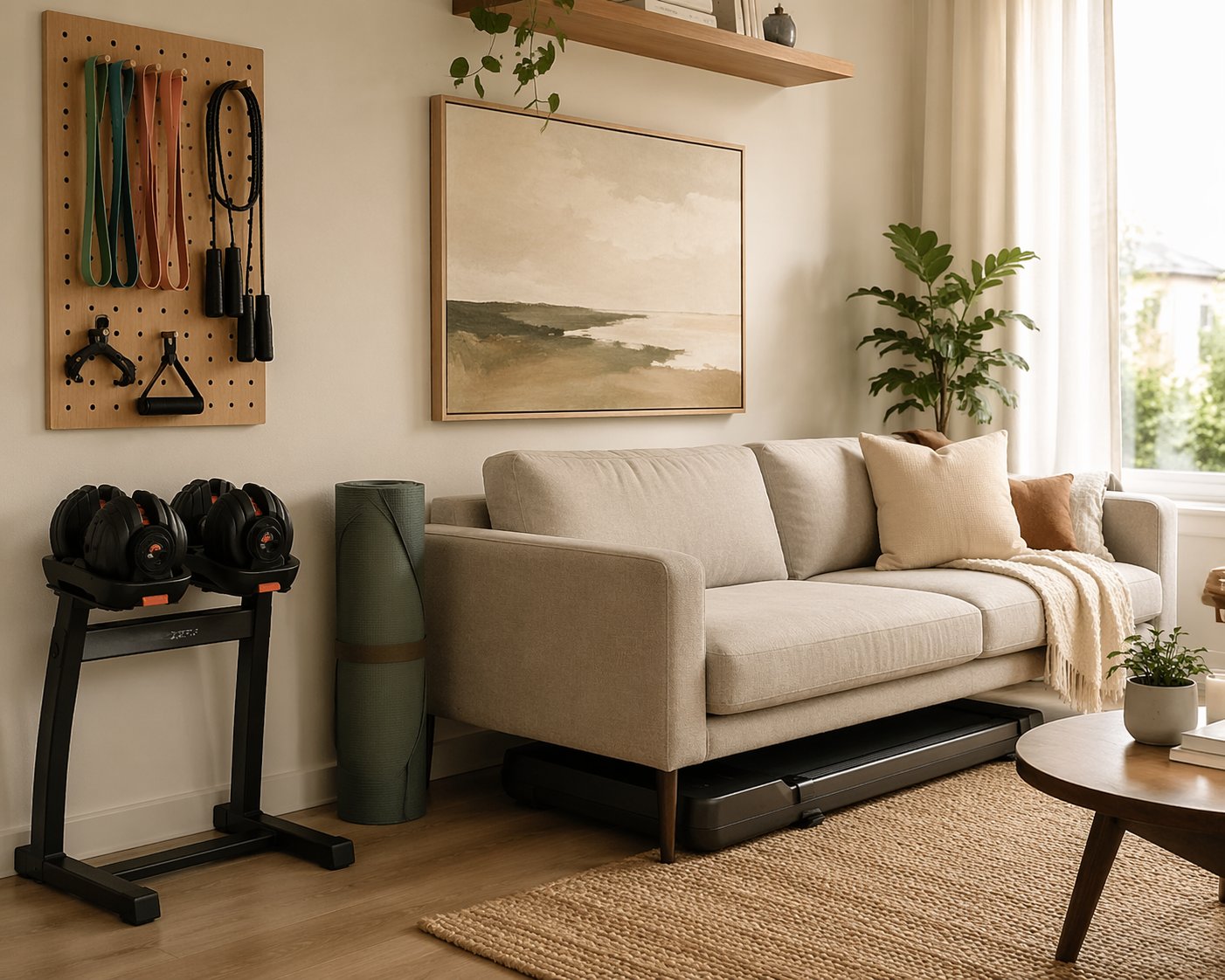
Search for "best home gym equipment for small spaces" and you will find the same format repeated across dozens of sites: a numbered list of products with a photo, a paragraph of praise, and an affiliate link. These lists fail because they treat every reader as interchangeable. A person with a 6x6 ft corner in a studio apartment and a goal of building strength has fundamentally different needs from someone with a spare bedroom who wants to do low-impact cardio. A product that works brilliantly in one scenario can be a frustrating waste of money in another.
This guide takes a different approach. Instead of starting with products, we start with your constraints. You will learn a structured framework for evaluating any piece of equipment across three dimensions: footprint, versatility, and noise. Then you will use a decision matrix that maps your specific space type, training goal, and budget to the right equipment categories. Finally, you will see three complete sample builds at $500, $1,000, and $2,000+ that you can adapt to your situation.
The Three Constraint Axes Every Small-Space Buyer Must Evaluate
Before you look at a single product, you need a consistent way to compare equipment on the dimensions that actually matter in a small space. We use three axes: footprint, versatility, and noise. Every piece of equipment you consider should be rated on all three.
1. Footprint: Space in Use vs. Storage Profile
Footprint is not just about how much floor space a machine occupies during a workout. It is also about where that equipment lives when you are not using it. A treadmill that takes up 10 sq ft during a run but folds flat to slide under a bed has a very different real-world footprint than a non-folding treadmill that permanently claims that same 10 sq ft. We evaluate two numbers: the active footprint (sq ft during use) and the storage depth or volume (how much space it reclaims when stored).
For example, the PRx Profile PRO squat rack folds to a depth of just 12 inches against the wall, reclaiming roughly 90% of its active floor space between workouts. The Echelon Stride 6s-10 treadmill folds completely flat with a push-button mechanism and can be stored under a bed, freeing up the entire workout area when not in use. Equipment that stores vertically or folds flat is almost always a better choice for apartments than equipment that must remain assembled in a fixed position.
2. Versatility: Exercises per Square Foot
Versatility measures how many distinct exercises a single piece of equipment can support relative to its footprint. A pair of adjustable dumbbells that replaces 12 pairs of fixed dumbbells — like the REP QuickDraw (5–60 lbs, 18.5 inches long, starting at $335.99) — scores high on versatility because it delivers dozens of strength exercises in the space of a single dumbbell rack slot. A dedicated leg press machine that does only one movement scores low, regardless of how well it performs that movement.
In small spaces, every piece of equipment must earn its floor space by supporting multiple movement patterns. The most versatile categories for small spaces are adjustable dumbbells, resistance bands, and compact smart gyms like the Tonal 2 (5.25 inches deep, 250 lbs digital resistance) or the Speediance Gym Monster (folds to 14.96 inches deep, 220 lbs digital resistance). These systems can replace an entire room of selectorized machines with a single wall-mounted unit.
3. Noise and Vibration: Apartment-Friendliness
Noise is the constraint that most product lists ignore entirely, but it is often the deciding factor for apartment dwellers. A barbell dropped on a platform, a treadmill with a loud motor, or a rower with a rattling chain can create friction with neighbors and building management. Equipment with magnetic resistance (exercise bikes, smart gyms) is inherently quieter than air or friction resistance. Foldable treadmills with quiet motors and shock absorption are better choices than commercial-grade treadmills designed for gym floors.
The table below summarizes how the major small-space equipment categories score on all three axes.
| Equipment Category | Active Footprint | Storage Profile | Versatility Score | Noise Level |
|---|---|---|---|---|
| Adjustable Dumbbells | ~2–3 sq ft | Shelf or stand (minimal) | High (dozens of exercises) | Low (no motor) |
| Resistance Bands | ~1 sq ft | Drawer or hook (negligible) | High (full-body, all planes) | Very low |
| Foldable Treadmill | ~10–12 sq ft | Folds flat, under-bed storage | Low (primarily walking/running) | Moderate (motor noise) |
| Wall-Mounted Rack | ~12–15 sq ft | Folds to 12" depth | High (squat, bench, pull-ups) | Low (no motor; plate noise) |
| Compact Smart Gym | ~2–3 sq ft | Wall-mounted, 5–15" depth | Very high (200+ exercises) | Very low (magnetic resistance) |
| Rowing Machine | ~8–10 sq ft | Stores upright (~2 sq ft) | Moderate (cardio + some strength) | Low–moderate (air resistance) |
Decision Matrix: Match Your Space Type, Goal, and Budget to the Right Equipment
The following decision matrix is the core tool of this guide. It maps three common small-space scenarios — studio apartment, living room corner, and spare room — against three primary training goals (strength, cardio, and flexibility) and three budget tiers. Use it to identify which equipment categories deserve your attention first.
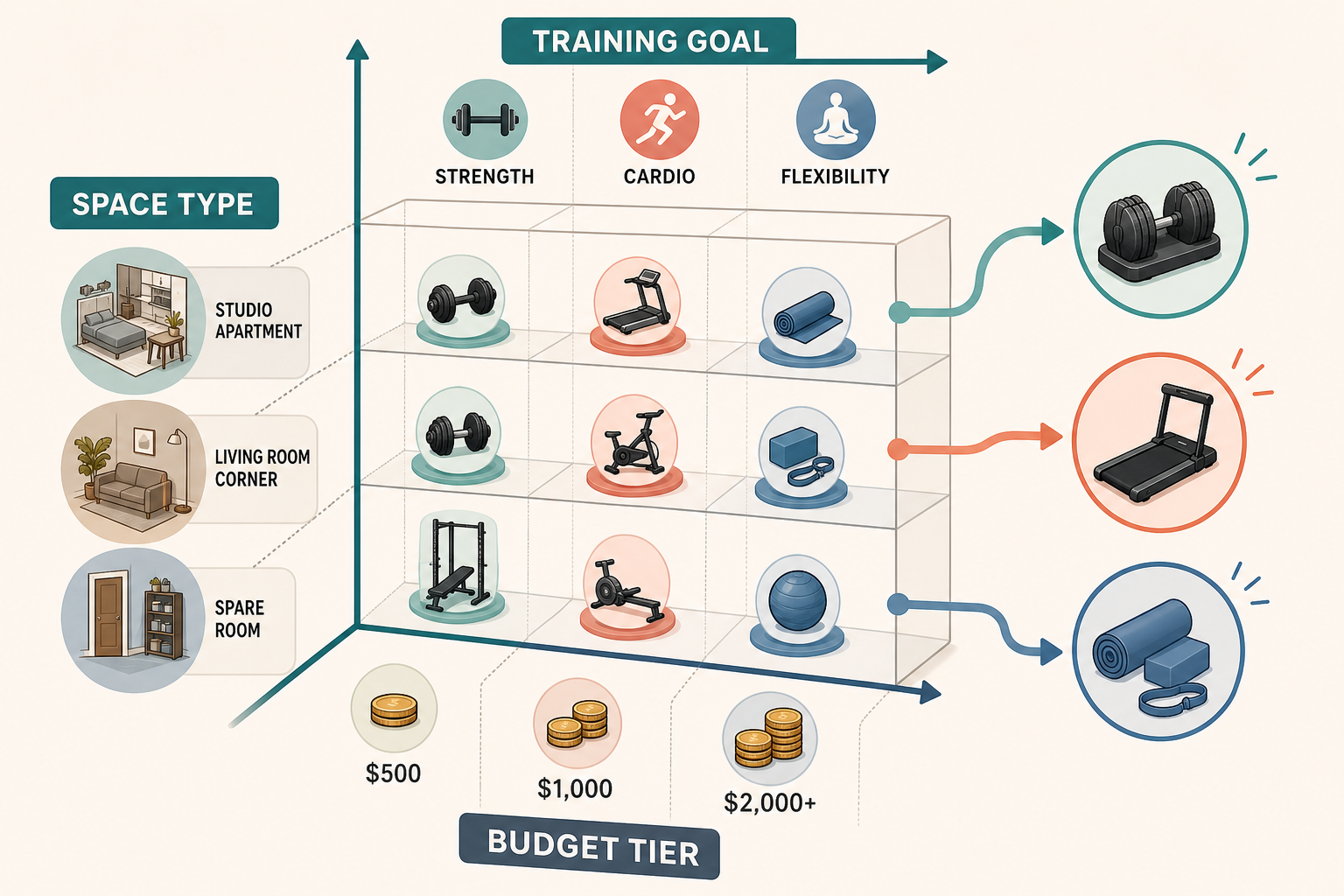
| Space Type | Primary Goal | Under $500 | $500–$1,000 | $1,000–$2,000+ |
|---|---|---|---|---|
| Studio Apartment (< 6x6 ft) | Strength | Adjustable dumbbells + bands | Adjustable dumbbells + compact bench | Compact smart gym (Speediance) or wall-mounted rack |
| Studio Apartment (< 6x6 ft) | Cardio | Jump rope + bands | Walking pad / under-desk treadmill | Foldable treadmill (Echelon Stride) |
| Studio Apartment (< 6x6 ft) | Flexibility / Recovery | Yoga mat + foam roller | Yoga mat + bands + Pilates ball | Same as $1,000 tier |
| Living Room Corner (6x6 to 8x8 ft) | Strength | Adjustable dumbbells + bands | Adjustable dumbbells + bench + pull-up bar | Wall-mounted rack (PRx) + adjustable dumbbells |
| Living Room Corner (6x6 to 8x8 ft) | Cardio | Jump rope + bands circuit | Foldable treadmill or rower (Concept2) | Foldable treadmill + adjustable dumbbells |
| Living Room Corner (6x6 to 8x8 ft) | Flexibility / Recovery | Yoga mat + foam roller + bands | Same as $500 tier + Pilates ball | Same as $1,000 tier |
| Spare Room (8x10 ft or larger) | Strength | Adjustable dumbbells + bands + bench | Wall-mounted rack + adjustable dumbbells + bench | Full wall-mounted rack + barbell + plates + bench |
| Spare Room (8x10 ft or larger) | Cardio | Jump rope + bands circuit | Foldable treadmill or rower | Foldable treadmill + rower + adjustable dumbbells |
| Spare Room (8x10 ft or larger) | Flexibility / Recovery | Yoga mat + foam roller + bands | Same as $500 tier + Pilates ball | Same as $1,000 tier |
Routines this build supports
12-Week At-Home Bodyweight Workout Plan (No Equipment Needed)
This 12-week bodyweight workout plan provides a progressive structure for beginners to build strength at home without any equipment. Each phase includes clear level-up gates so you know exactly when to advance to harder exercises.
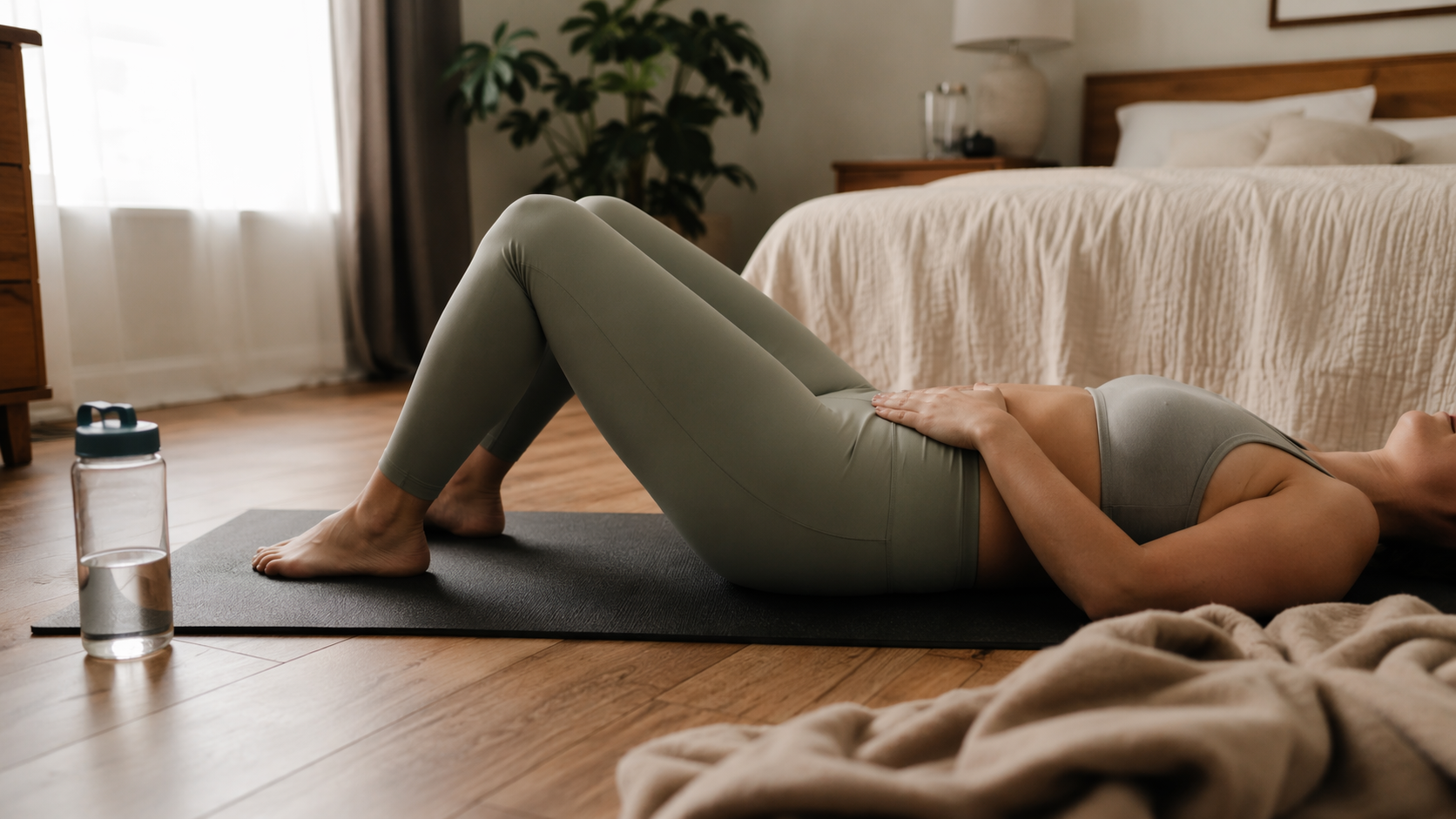
12-Week Postpartum Exercise Plan for Core Recovery & Skin Firmness
This 12-week postpartum exercise routine guides you through a phased progression from pelvic floor reconnection to resistance training, designed to rebuild the muscle beneath loose belly skin while setting realistic expectations about what exercise can achieve.
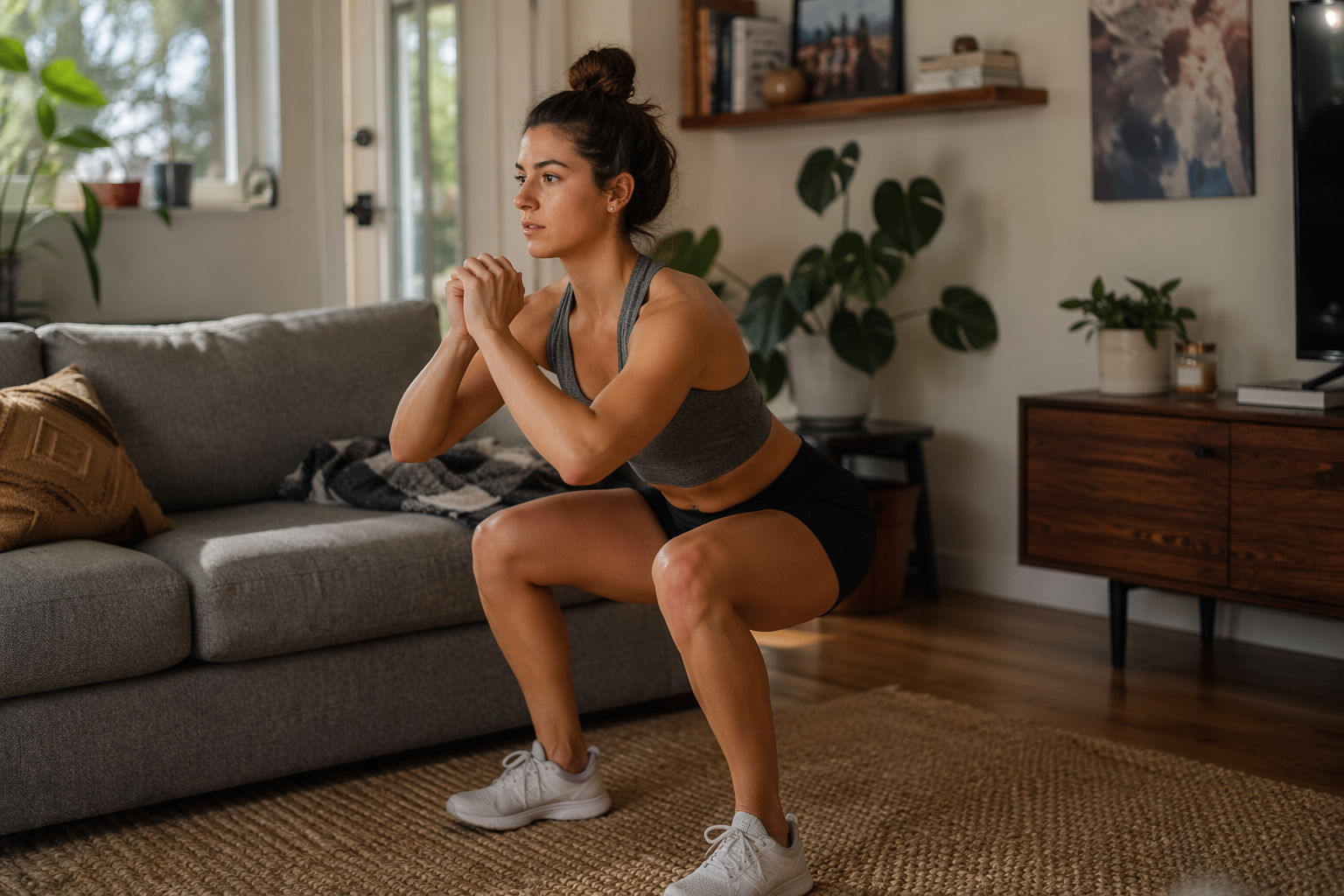
Why 20-Minute Home Workouts Work for Beginners
A 20-minute home workout for beginners can deliver real fitness gains—when structured for intensity. This article explains the science behind short workouts and provides a complete follow-along routine.
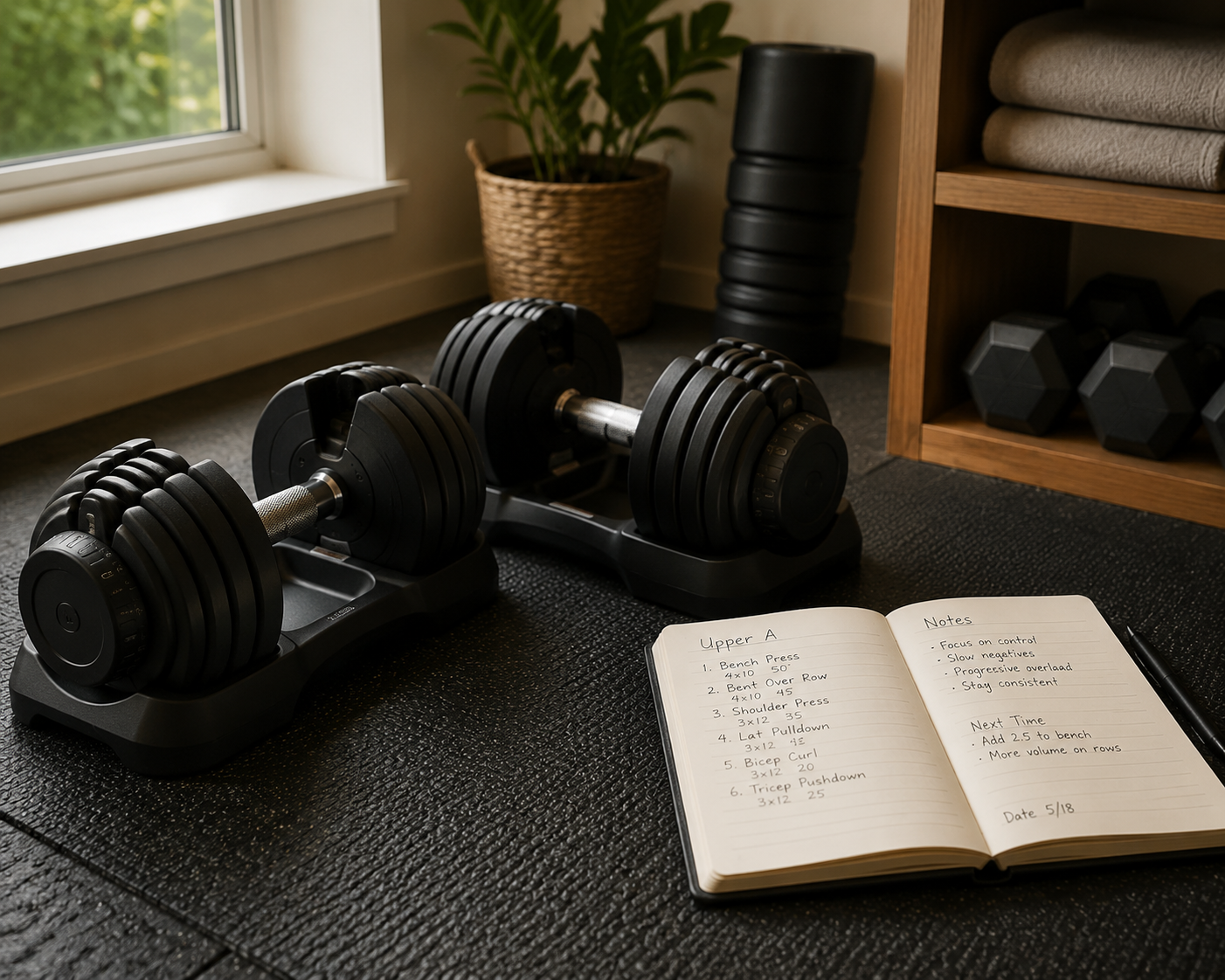
Build Muscle with This 3-Day Dumbbell-Only Full-Body Plan
A complete 3-day full-body dumbbell workout plan with exercise selection, weight guidance, and a double-progression system that helps home gym beginners and intermediates build muscle without needing heavier dumbbells every week.
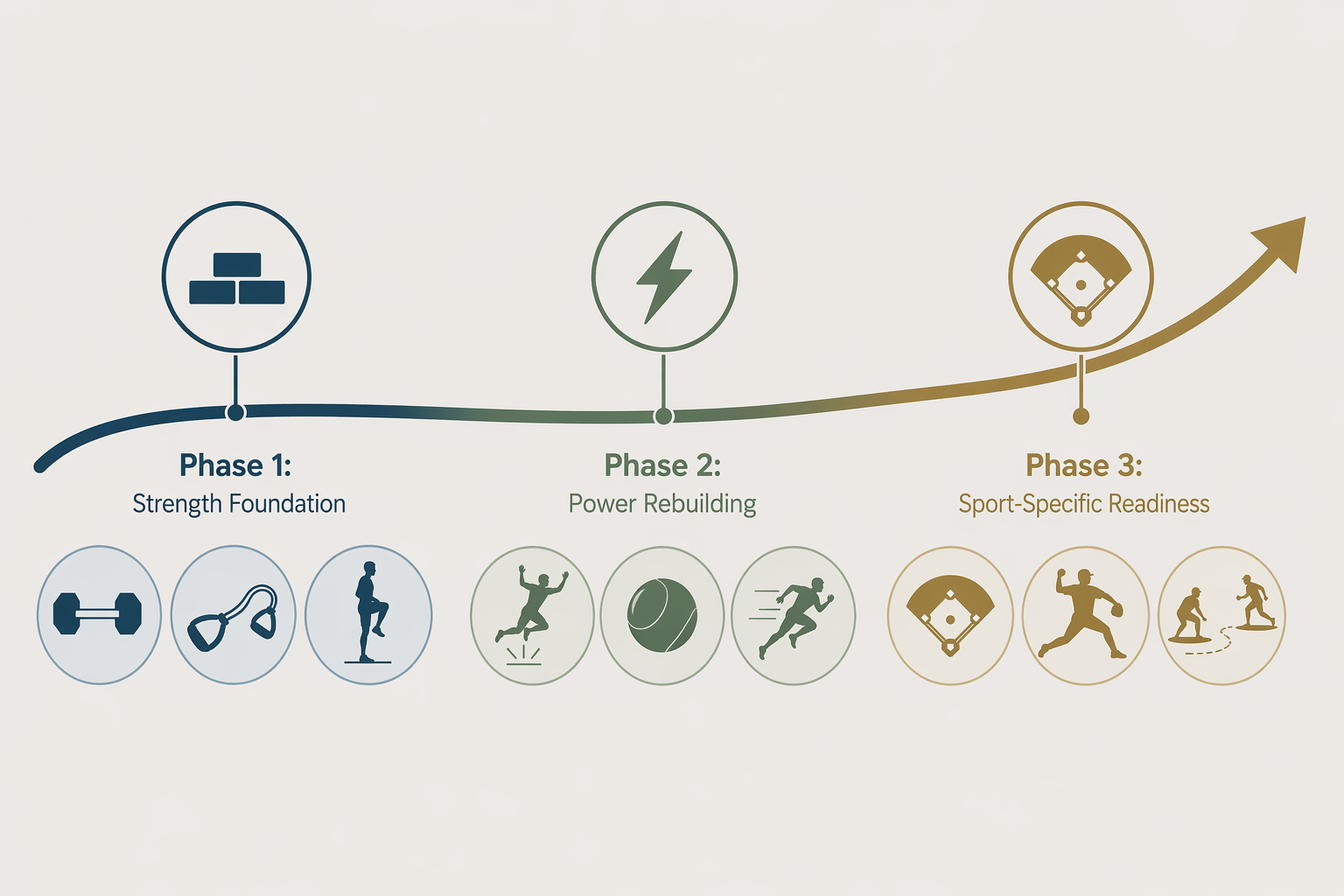
A 3-Phase Routine for Your Baseball Injury Comeback
Most baseball players leave physical therapy cleared to move but not ready to play. This 3-phase training routine bridges the gap from post-rehab to game readiness with progressively loaded strength, power, and sport-specific drills you can do at home with minimal equipment.
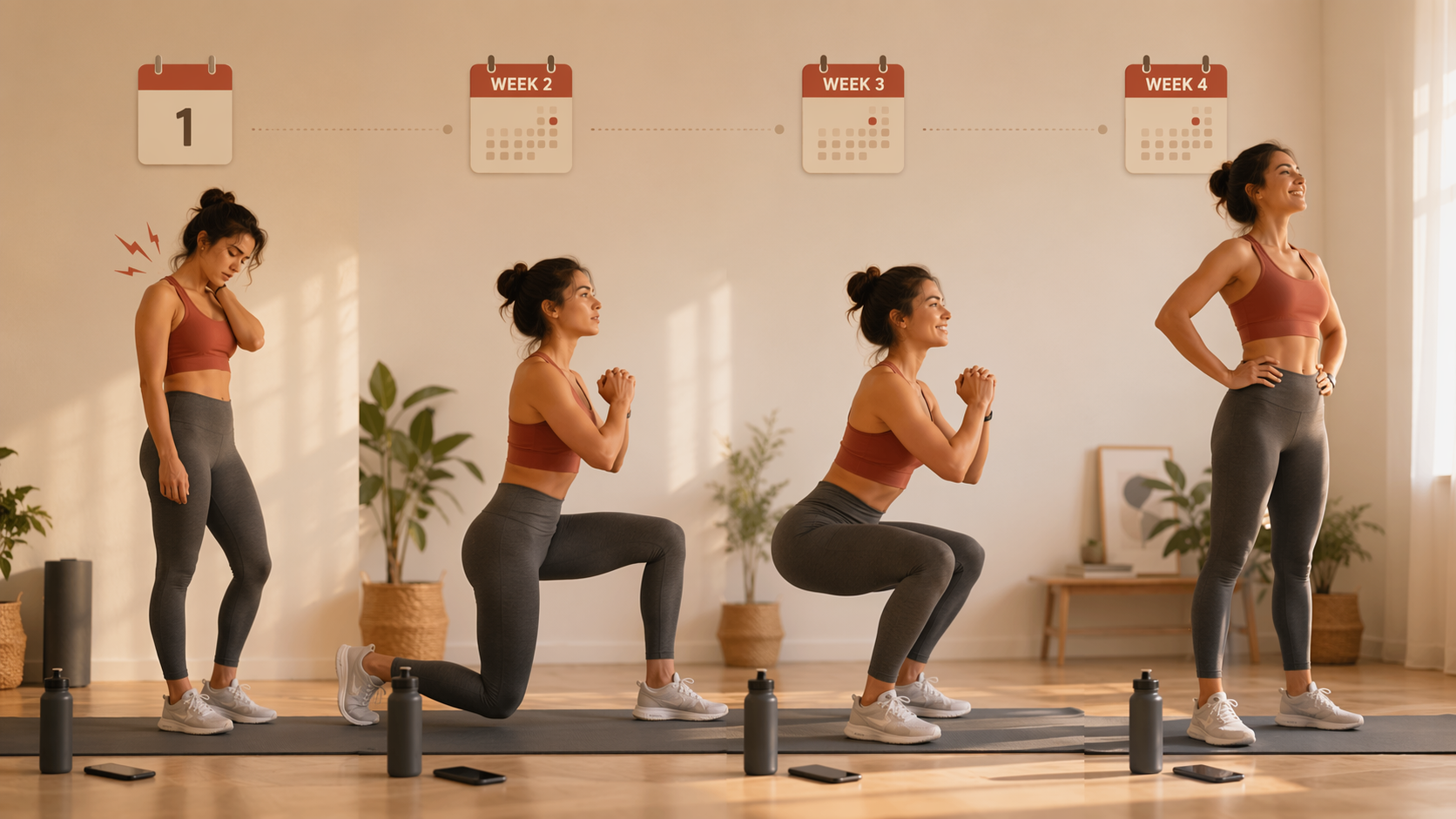
Your First 30 Days with a Workout App: A Week-by-Week Roadmap for Beginners
A week-by-week guide for absolute beginners using a workout app for the first time, covering the typical physical and psychological changes across the first month and how to choose the right session structure and app to build a lasting habit.
Spotted a stale price or an item that's no longer available? Say so below — this is our correction channel, not just a discussion thread.
Comments
Join the discussion with an anonymous comment.