
Does Low-Carb Diet Raise Cholesterol? Home Workout Guide
Wondering if your low-carb diet is raising your cholesterol? This article explains why LDL can spike in lean individuals on keto, and how specific home workout routines—aerobic and combined training—can partially offset that increase, based on 2024–2026 research.
- Citation source
- American Heart Association (2026) and American Journal of Clinical Nutrition (2024)
- Evidence level
- restrained inference
A low-carb diet can leave you with a lipid panel that looks like it is arguing with itself: HDL-C improves, triglycerides fall, and LDL-C jumps. That combination is not rare enough to dismiss, especially if you are already lean or normal-weight. In a 2024 meta-analysis, normal-weight adults on low-carb or ketogenic diets had an average LDL-C increase of 41.4 mg/dL after 3–6 weeks, while overweight adults showed no LDL-C change in the same BMI-stratified analysis [1]. A 2026 American Heart Association review put the LDL-C increase in normal-BMI ketogenic-diet participants across a wider 18–70 mg/dL range and discussed the lean mass hyper-responder pattern: high LDL-C, high HDL-C, and low triglycerides in otherwise lean people eating very low carbohydrate [2].
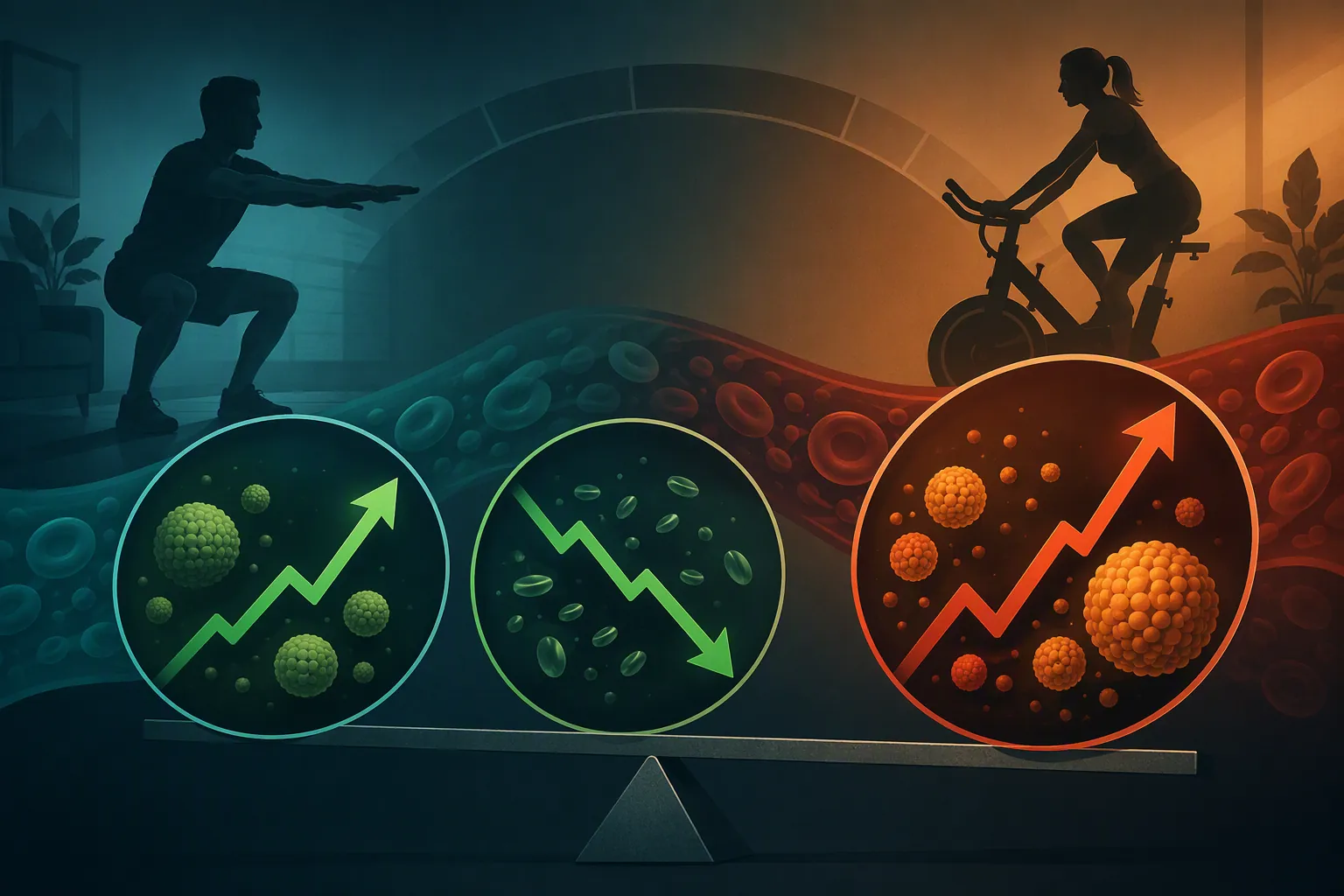
That is the first thing to get straight before asking what home workouts can do. “Cholesterol” is too blunt a word for this problem. If LDL-C rises by 40 mg/dL while HDL-C also rises and triglycerides fall, the good news and the bad news are happening in different columns of the same report. The HDL and triglyceride changes do not make the LDL-C change disappear.
The practical answer is therefore conditional: low-carb diets often improve HDL-C and triglycerides, but LDL-C can rise sharply in leaner people; home exercise is a real lever for lipid metabolism, especially when it includes enough aerobic volume, but it should be treated as a partial offset rather than a guaranteed fix for a large LDL-C response.
Why a lean low-carb exerciser may see LDL-C rise
The BMI-stratified finding matters because many reassuring low-carb conversations are built around weight loss. If someone starts out overweight, loses weight, lowers triglycerides, and improves insulin-related markers, the lipid story may look one way. If someone starts out normal-weight, trains at home, eats very low carb, and does not have much fat mass to lose, the LDL-C story can look different.
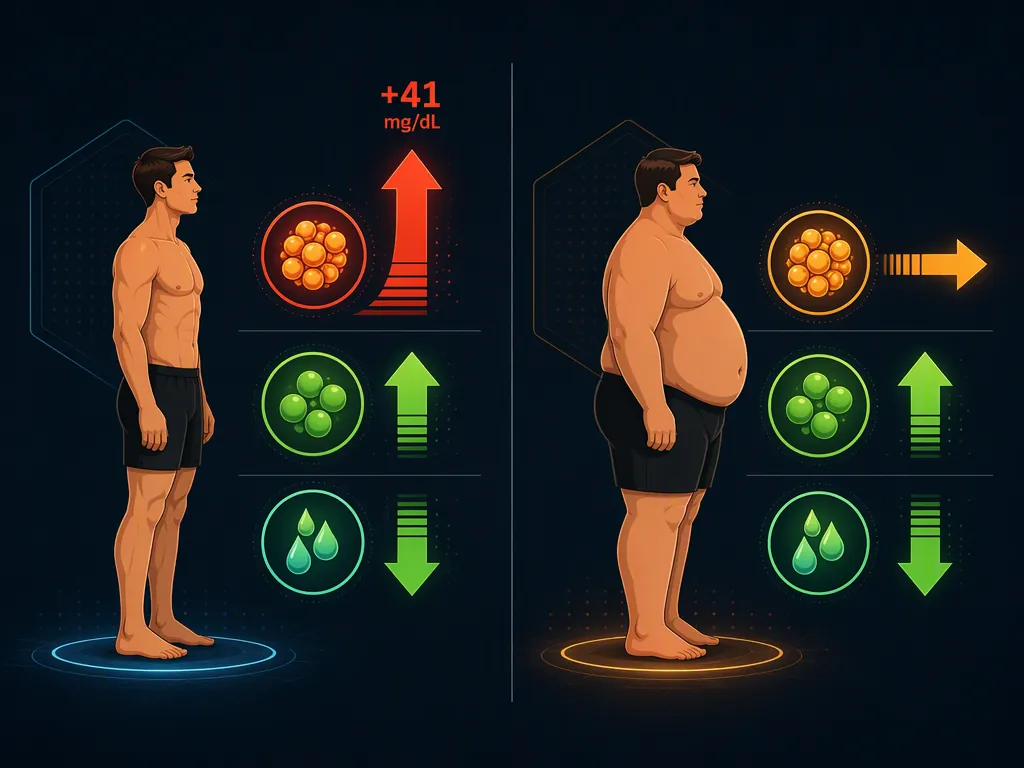
The 2024 Soto-Mota analysis is useful because it does not flatten everyone into one average low-carb result. The LDL-C increase was concentrated in normal-weight adults, with an average rise of 41.4 mg/dL after 3–6 weeks; overweight adults, by contrast, had no average LDL-C change [1]. The 2026 AHA review reaches the same concern from a broader angle, reporting LDL-C increases of 18–70 mg/dL in normal-BMI ketogenic-diet studies and identifying lean mass hyper-responders as a distinct group worth monitoring [2].
| Lipid marker | What low-carb studies commonly show | Why it matters for the home exerciser |
|---|---|---|
| LDL-C | Can rise substantially in normal-weight or lean ketogenic-diet participants; reported increases include 41.4 mg/dL after 3–6 weeks in normal-weight adults and 18–70 mg/dL across normal-BMI ketogenic-diet evidence [1][2]. | This is the number that can turn an otherwise good-looking panel into a clinical conversation. |
| HDL-C | Often improves; low-carb evidence reports an approximate 4.6% increase [2]. | Helpful, but it should not be used to wave away a large LDL-C rise. |
| Triglycerides | Often fall; low-carb evidence reports an approximate 3.7% reduction [2]. | A low triglyceride result can coexist with a high LDL-C result, especially in the lean mass hyper-responder pattern. |
This is also where some popular advice goes wrong in both directions. It is too simple to say low-carb is “bad for cholesterol,” because HDL-C and triglycerides often move in a favorable direction. It is also too simple to say the panel is fine because HDL-C went up. LDL-C, HDL-C, and triglycerides are separate markers, and the low-carb LDL signal is strongest in the very group that often thinks of itself as metabolically safe: lean, active, normal-BMI adults.
If your LDL-C rises substantially after starting a low-carb or ketogenic diet, especially if you have a personal or family history of lipid disorders, cardiovascular disease, diabetes, hypertension, or medication use, treat that as a healthcare-provider conversation rather than a self-experiment to solve with harder workouts alone. The long-term cardiovascular significance of the lean mass hyper-responder phenotype remains uncertain, and the 2026 AHA review notes that long-term outcome trials do not yet exist for this population [2].
What home workouts can plausibly change
The exercise evidence is encouraging, but it is not a direct test of the exact situation most readers care about. The studies summarized here do not form one neat trial of low-carb diet plus apartment workouts plus cholesterol outcomes. The diet evidence and exercise evidence come from separate lines of research, so the best interpretation is a careful synthesis: exercise can improve parts of the lipid profile and may blunt some diet-related risk, but the size of the effect depends on training volume, intensity, baseline health, and the size of the LDL-C rise.
The STRRIDE trial gives a useful reality check on magnitude. In that trial, the highest-volume and highest-intensity aerobic group—roughly a 20-mile-per-week jogging equivalent at 65–80% of VO2peak—produced the best improvements in 10 of 11 lipid variables. LDL-C fell by 1.9 mg/dL, HDL-C rose by 4.3 mg/dL, and triglycerides fell by 28.4 mg/dL [3].
That pattern matters more than the exact jogging translation. A few short, brutal intervals may feel like the most “serious” home training, but lipid changes tend to reward accumulated aerobic work. Brisk outdoor walking, indoor cycling, step-ups, stair climbing, low-impact cardio circuits, and longer steady sessions are not glamorous, yet they are closer to the kind of repeated aerobic demand that has evidence behind it.
It also shows the limit. A 1.9 mg/dL LDL-C reduction from high-volume aerobic training is not the same scale as a 41.4 mg/dL LDL-C increase seen in normal-weight low-carb adults in the Soto-Mota analysis [1][3]. Exercise may improve the whole panel and lower triglycerides meaningfully, but it should not be sold as a simple eraser for a large diet-associated LDL-C jump.
Why aerobic work gets priority
Aerobic exercise has several plausible routes into lipid metabolism. A 2014 review described exercise-related changes in reverse cholesterol transport, including increased lecithin-cholesterol acyltransferase activity and reduced cholesteryl ester transfer protein activity, mechanisms that help move cholesterol through HDL-centered transport pathways and toward liver processing [4]. British Heart Foundation material also describes how more active muscle uses more saturated fat for energy, which may reduce circulating non-HDL cholesterol [5].
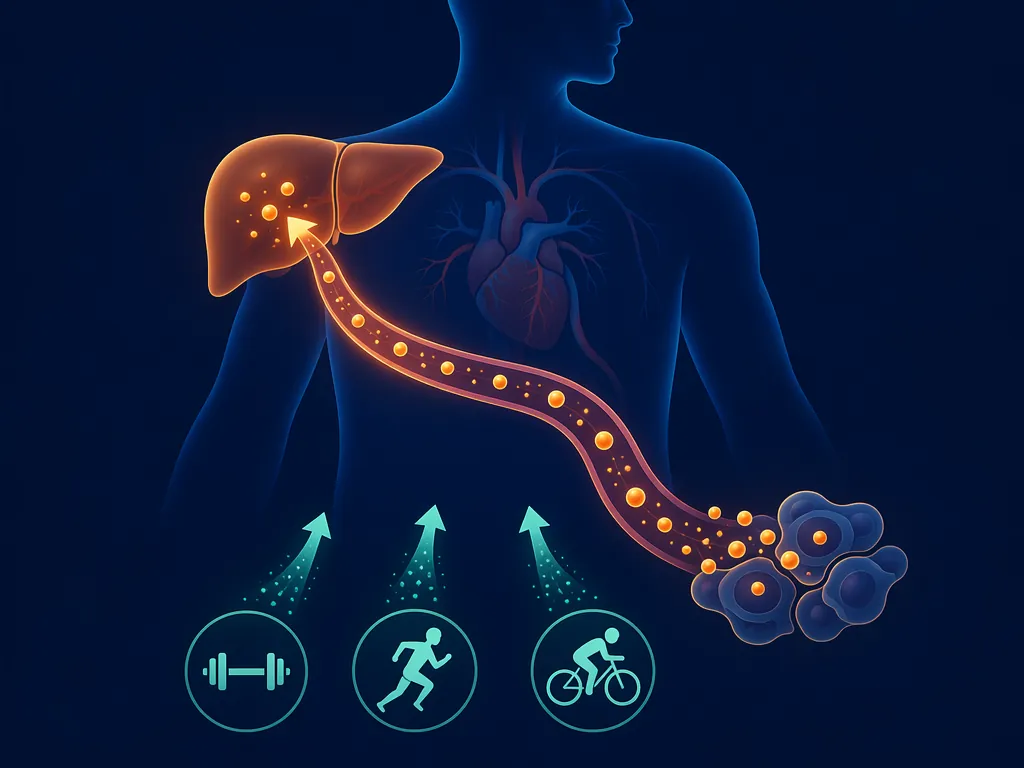
For a home exerciser, that points toward a simple hierarchy. Keep resistance training, but do not let it crowd out aerobic volume if cholesterol is the reason you are training. A 2026 McMaster Optimal Aging review concluded that aerobic exercise is likely effective for improving HDL-C in middle-aged and older adults, while resistance training and stretching alone were not effective for HDL-C specifically [6]. That does not make strength work useless; it means strength-only routines should not be expected to do the same lipid work as aerobic training.
| Home-training choice | Best use when cholesterol is the concern | Expectation to keep realistic |
|---|---|---|
| Steady aerobic work | Brisk walking, indoor cycling, step platforms, low-impact cardio circuits, or longer stair sessions performed often enough to build weekly volume. | Most relevant lever for HDL-C, triglycerides, and overall lipid metabolism. |
| Intervals | Useful when they add aerobic work rather than replacing all longer sessions. | Short HIIT alone should not be assumed to offset a large LDL-C rise. |
| Resistance training | Bodyweight squats, hinges, rows, presses, bands, dumbbells, and core work as part of a combined routine. | Good to keep, but resistance-only training is less reliable for HDL-C improvement than aerobic work [6]. |
| Combined training | A practical home setup: aerobic sessions for volume plus resistance sessions for muscle and function. | Sensible direction, but not a proven one-study cure for low-carb LDL-C increases. |
If you want a fuller exercise-only progression without turning this article into a workout calendar, FitAtHome’s 8-week home exercise plan for cholesterol is the better place to build the week-by-week routine. The extra layer here is the low-carb context: if LDL-C has risen because of the diet, the workout plan is one lever, not the whole explanation.
The carbohydrate lever should be monitored, not improvised
For people with a large LDL-C response on a ketogenic diet, the diet itself may need attention. The 2026 AHA review reports that moderate carbohydrate reintroduction—50–100 g/day—can reverse much of the LDL-C elevation in some cases, with 100–480 mg/dL decreases observed in a retrospective analysis [2]. Those numbers are large because they come from people with unusually high LDL-C responses; they should not be read as a casual instruction to add a certain number of carbs and expect a predictable result.
The safer interpretation is that carbohydrate level is a variable worth discussing and retesting, not a moral category. If the low-carb diet improved appetite, energy, glucose control, or triglycerides, it can feel frustrating to change it. But if LDL-C rose sharply, especially in a lean person, adding aerobic work while leaving the diet completely untouched may not be enough. A clinician can help decide whether to repeat the panel, check additional markers, modify dietary fat or carbohydrate intake, evaluate family risk, or consider treatment.
A practical monitoring framework
- Know your baseline if possible. A lipid panel before starting low-carb gives you something better than guesswork when the follow-up result arrives.
- Read LDL-C, HDL-C, and triglycerides separately. Low triglycerides and higher HDL-C can be real improvements, but they do not cancel a large LDL-C rise.
- Pay special attention if you are normal-weight or lean. The strongest LDL-C increase signal in the low-carb evidence is BMI-stratified, with normal-weight adults showing the clearest rise [1][2].
- Build enough aerobic volume to matter. Walking, cycling, stair work, and low-impact circuits are legitimate cholesterol-oriented training tools when they accumulate into consistent moderate-to-vigorous work.
- Keep resistance training, but pair it with aerobic work. Strength training supports the home routine, but aerobic exercise has more reliable evidence for HDL-C improvement [6].
- Do not treat hard workouts as permission to ignore a major LDL-C change. In STRRIDE, even the highest-volume/highest-intensity aerobic group lowered LDL-C by 1.9 mg/dL, much smaller than the LDL-C increases reported in lean low-carb groups [1][3].
- Discuss major diet or training changes with a healthcare provider, particularly if LDL-C rises unusually, you have existing lipid concerns, or you are considering carbohydrate reintroduction after a ketogenic diet.
References
- Low-carbohydrate diets increase LDL cholesterol in adults with lower body mass index: a meta-analysis, The American Journal of Clinical Nutrition, 2024.
- Ketogenic Diets and Cardiovascular Risk: A Comprehensive Review, Journal of the American Heart Association, 2026.
- Effects of the Amount and Intensity of Exercise on Plasma Lipoproteins, New England Journal of Medicine, 2002.
- Differential Effects of Aerobic Exercise, Resistance Training and Combined Exercise Modalities on Cholesterol and the Lipid Profile: Review, Synthesis and Recommendations, Sports Medicine, 2014.
- Can exercise lower cholesterol?, British Heart Foundation, 2024.
- Cholesterol: Exercising to increase the good and counteract the bad, McMaster Optimal Aging Portal, 2026.
This is general fitness education, not medical advice. For diagnosis or treatment of pain or injury, consult a qualified clinician.
Pick your next session
Browse all routines to find an appropriately-spaced next session.
Spot something off?
This content sits adjacent to health guidance — tell us if a citation or figure needs a correction.