
Outdoor Exercise Equipment Materials: What Lasts and What Doesn't
Not all outdoor exercise equipment can handle year-round exposure. This guide helps home gym owners compare materials—316L stainless steel, powder-coated steel, HDPE, aluminum, and more—so you can choose the right equipment for your climate and budget before you buy.
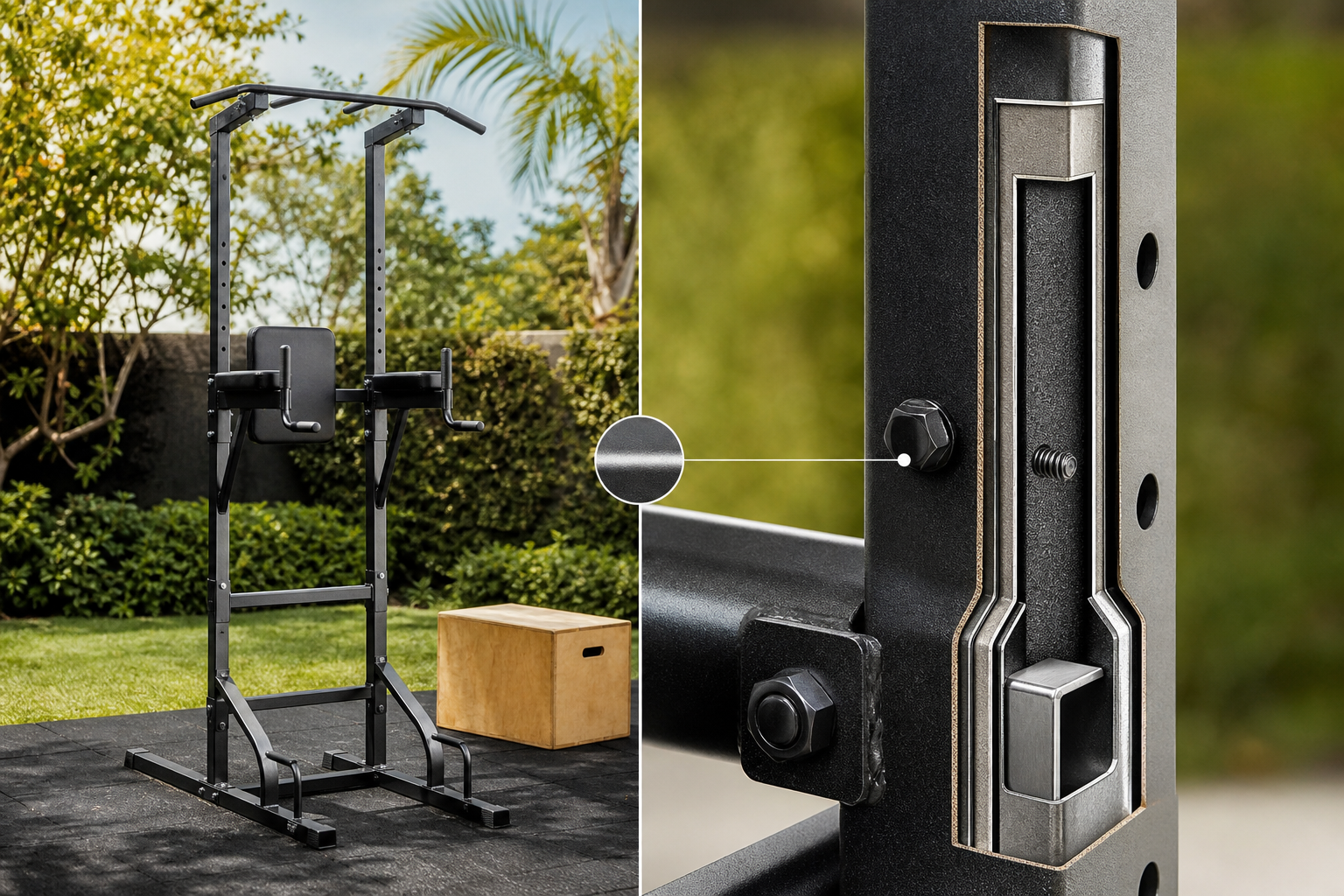
Why Material Choice Matters More Than Brand
When you start shopping for outdoor exercise equipment, the brand name and the price tag are the first things you see. But neither one tells you whether that pull-up station or dip bar will still be standing after three rainy seasons, a winter of freeze-thaw cycles, or a summer of direct UV exposure. The real determinant of how long your equipment lasts is the material it's made from and the quality of its protective coating.
Choosing the wrong material for your climate is an expensive mistake. A piece of painted iron equipment might look like a bargain at checkout, but if you live within a mile of the coast, it could start showing rust within months. On the other hand, a 316L stainless steel frame can last 20+ years even in salt air, according to manufacturer data from Qitele. The upfront cost difference between these two options can be substantial, but the total cost of ownership flips when you factor in replacement cycles.
This guide is designed for the pre-purchase stage. If you already own equipment and need to know how to protect it, we have a separate guide on weatherproofing and maintenance for existing gear. Here, we're focused on giving you the material knowledge you need to make a smart purchase decision the first time.
Material Comparison: How Each Option Performs Outdoors
Six materials dominate the outdoor fitness equipment market. Each has a distinct profile for strength, weather resistance, lifespan, maintenance burden, and cost. The table below summarizes how they stack up for a home buyer.
| Material | Strength | Weather Resistance | Typical Lifespan | Maintenance | Relative Cost |
|---|---|---|---|---|---|
| 316L Stainless Steel | Very high | Excellent — coastal safe, resists salt air and moisture | 20+ years | Minimal — occasional rinsing | Highest |
| Aluminum | Medium | Good — naturally non-corrosive | 10–15 years | Low — occasional cleaning | Moderate to high |
| Powder-Coated Steel | High (11-gauge is residential benchmark) | Good to very good — depends on coating quality and UV protection | 5–10 years | Moderate — inspect coating annually, touch up chips | Moderate |
| Painted Iron | Medium to high | Poor — paint chips easily, rusts quickly in moisture | 2–5 years | High — frequent repainting required | Lowest |
| HDPE Plastic | Medium | Fair to good — resists UV and moisture well | 5–10 years | Low — rinse with water | Low to moderate |
| Rubber | Low to medium | Moderate — degrades under prolonged UV and temperature extremes | 3–7 years | Moderate — condition to prevent cracking | Low |
The takeaway is straightforward: 316L stainless steel is the gold standard for longevity, but its cost can be prohibitive for residential buyers. Powder-coated steel, especially when made from 11-gauge steel with a UV-protected coating, represents the best balance of durability and affordability for most home gym owners. The Stamina Outdoor Power Tower Pro, reviewed by Garage Gym Reviews at a price of $469, is a strong example of this category: it uses 11-gauge steel with a coating engineered to prevent chipping and corrosion, plus UV protection to prevent fading.
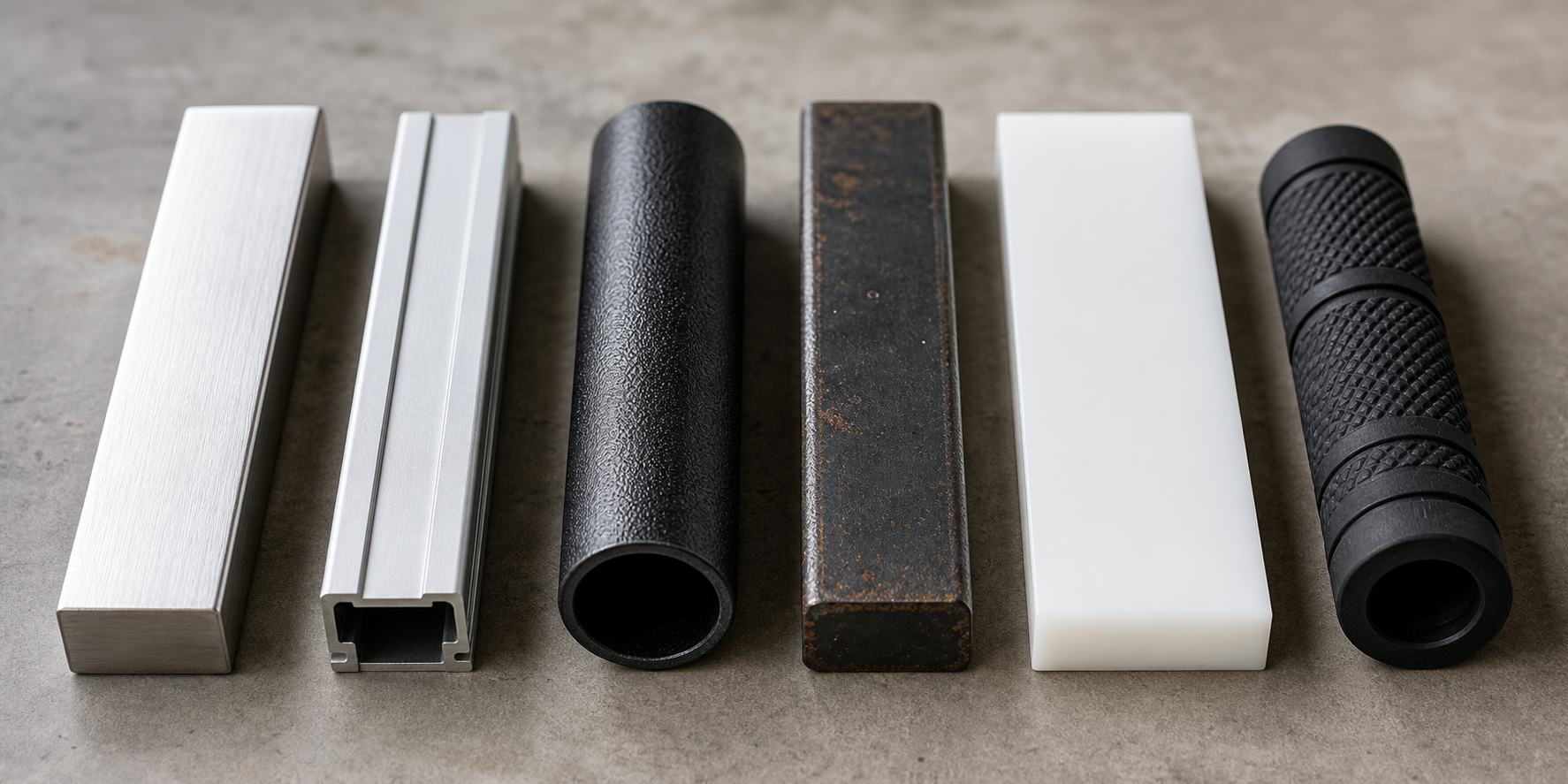
Coating Quality: The Difference Between 3 Years and 10
Two pieces of equipment can both be made from steel, yet one might last a decade while the other rusts out in three years. The difference is almost always the coating. The base metal provides the structural strength, but the coating is what stands between that metal and the elements.
Powder coating is the industry standard for outdoor steel equipment. Unlike liquid paint, which is applied as a solvent-based coating that dries, powder coating is applied electrostatically as a dry powder and then cured under heat. This creates a harder, more durable finish that is significantly more resistant to chipping, scratching, and corrosion than standard paint.
However, not all powder coatings are equal. The key differentiator is UV protection. A powder coating without UV stabilizers will fade, chalk, and eventually crack under prolonged sun exposure. Once the coating cracks, moisture reaches the steel, and rust begins. The Stamina Outdoor Power Tower Pro's coating is specifically noted by Garage Gym Reviews as having UV protection to prevent fading — a feature worth looking for on any outdoor equipment spec sheet.
The thickness of the coating also matters. A thicker coating provides a better barrier, but it must be applied evenly. Inexpensive equipment often has thin, uneven coatings that fail at weld points and edges first — exactly where rust is most likely to start.
Climate-Specific Recommendations
Your local climate is the single most important factor in choosing the right material. Equipment that performs well in a dry, temperate climate can fail rapidly in a coastal or high-humidity environment. The table below matches material recommendations to four common climate scenarios, based on the environment-to-material mapping from Qitele.
| Climate Type | Characteristics | Recommended Materials | Materials to Avoid |
|---|---|---|---|
| Coastal (Salt Air) | High salt content in air, high humidity, frequent fog or mist | 316L stainless steel, HDPE plastic | Painted iron, standard powder-coated steel (unless marine-grade coating is specified) |
| High-Humidity (Inland) | Consistent humidity above 70%, frequent rain | Aluminum, powder-coated steel (with UV protection), HDPE | Painted iron, untreated steel |
| Cold-Winter (Freeze-Thaw) | Frequent freeze-thaw cycles, snow, ice, road salt exposure | 316L stainless steel, aluminum, powder-coated steel (with thick coating) | Painted iron, thin-coated steel (coating cracks under freeze-thaw stress) |
| Arid / High UV | Intense direct sunlight, low humidity, high daytime temperatures | Powder-coated steel (with UV protection), aluminum, HDPE | Rubber (degrades quickly under intense UV), painted iron (paint fails rapidly) |
If you live in a coastal area, the recommendation is clear: invest in 316L stainless steel or equipment with HDPE components for non-load-bearing parts. The extra upfront cost is justified by the dramatically longer lifespan. In arid climates, focus on UV protection in the coating — the sun is your equipment's primary enemy, not moisture.
What to Look for in Warranties and Manufacturer Claims
A warranty is a manufacturer's statement of confidence in their product. When evaluating outdoor exercise equipment, the warranty terms can tell you more about expected lifespan than any marketing copy. But you need to read the details carefully, because different components are often covered by different warranty periods.
- Frame warranty: This is the most important number. A 10-year frame warranty on a powder-coated steel product suggests the manufacturer expects the frame to remain structurally sound for at least a decade. A 1-year frame warranty is a red flag — it signals that the manufacturer does not have confidence in the long-term durability of the material or coating.
- Coating warranty: Some manufacturers offer a separate warranty against peeling, chipping, or excessive fading of the powder coating. A 1-year coating warranty is common on budget equipment. A 3- to 5-year coating warranty indicates a higher-quality application process and better UV protection.
- Component warranty: Moving parts (pulleys, cables, hinges), grips, and padding typically have shorter warranty periods — often 90 days to 1 year. This is normal, as these parts are expected to wear out and be replaced. The key question is whether replacement parts are readily available and reasonably priced.
- Exclusions: Read the fine print for climate-related exclusions. Some warranties explicitly exclude damage caused by salt air, extreme temperatures, or UV exposure. If you live in a coastal or high-UV area, a warranty with these exclusions is worth significantly less to you.
Real-World Lifespan Expectations by Component
Not every part of your outdoor exercise equipment will wear out at the same rate. Understanding the expected lifespan of each component helps you plan for maintenance and replacement cycles before you buy. The table below breaks down typical lifespans by component type.
| Component | Typical Material | Expected Lifespan | Failure Mode |
|---|---|---|---|
| Frame (structural) | 316L stainless steel | 20+ years | Minimal — may show surface discoloration over decades |
| Frame (structural) | Aluminum | 10–15 years | Corrosion at weld points if not properly treated |
| Frame (structural) | Powder-coated steel (11-gauge) | 5–10 years | Coating failure leading to rust, especially at joints and welds |
| Moving parts | Steel cables, pulleys, hinges | 3–7 years | Rust, wear, loss of smooth operation |
| Grips and padding | Rubber, foam, HDPE | 3–7 years (rubber), 5–10 years (HDPE) | UV degradation, cracking, loss of cushioning |
| Rubber components | Rubber guards, mats, bumpers | 3–7 years | Dry rot, cracking under UV and temperature extremes |
These figures are estimates, not guarantees. Actual lifespan depends heavily on your specific climate, the amount of direct sun exposure, and how diligently you perform basic maintenance. But they provide a useful framework for thinking about total cost of ownership: a $469 power tower with a 5–10 year frame lifespan costs $47–$94 per year of use, while a $1,200 stainless steel unit with a 20+ year lifespan costs $60 or less per year.
Maintenance That Protects Your Investment
Before you buy, it's important to understand what kind of maintenance your chosen equipment will require. Different materials demand different levels of care. The checklist below outlines the basic maintenance tasks you should be prepared to perform. For a detailed post-purchase maintenance guide, see our article on weatherproofing and protecting outdoor gym equipment.
- Rinse with fresh water monthly: This removes salt, dust, and pollutants that can accelerate corrosion. In coastal areas, increase frequency to weekly.
- Inspect coating quarterly: Look for chips, cracks, or areas where the coating has worn thin. Touch up any exposed metal immediately with a matching outdoor-grade paint or coating.
- Tighten bolts and fasteners every 3 months: Temperature changes cause metal to expand and contract, which can loosen connections over time.
- Condition rubber components annually: Apply a UV-protectant rubber conditioner to grips, guards, and mats to prevent drying and cracking.
- Consider seasonal storage: If you live in a climate with harsh winters, storing rubber and foam components indoors during the off-season can extend their life by several years.
Frequently Asked Questions
Can I leave outdoor exercise equipment out year-round?
Yes, if you choose the right materials for your climate. 316L stainless steel and aluminum can be left out year-round in most climates with minimal issues. Powder-coated steel equipment can also be left out, but you will need to inspect the coating annually and touch up any chips. Painted iron equipment should not be left out year-round in any climate with significant moisture or temperature swings. For a deeper dive into this question, see our guide on whether gym equipment can stay outside.
Is stainless steel worth the extra cost?
For coastal environments, yes — it is the only material that reliably lasts 20+ years in salt air. For inland climates with moderate weather, the cost premium is harder to justify. A high-quality powder-coated steel unit with UV protection will likely serve you well for 5–10 years at roughly half the cost of stainless steel.
How do I know if a coating is UV-protected?
Look for explicit language in the product description: "UV-protected powder coating," "UV-stabilized," or "fade-resistant." If the manufacturer does not mention UV protection, assume the coating lacks it. This is a standard feature on higher-end equipment but is often omitted from budget models.
What's the cheapest material that will last 5 years?
Powder-coated steel is the most cost-effective option for a 5-year lifespan. Look for equipment made from at least 11-gauge steel with a thick, UV-protected powder coating. Avoid painted iron — it may be cheaper upfront, but it will likely need replacement within 2–3 years, making it more expensive over time.
Should I store equipment in winter?
The frame itself can typically stay out if it is made from stainless steel, aluminum, or well-coated steel. However, rubber grips, foam padding, and any plastic components will last longer if stored indoors during freezing weather. Freeze-thaw cycles can cause rubber to crack and foam to degrade more rapidly.
If you are still deciding what type of equipment to buy for your outdoor space, our buyer's guide for outdoor home gym equipment covers the full range of equipment categories, from power towers to plyo boxes to suspension trainers, with budget breakdowns and space requirements.
This result comes from one real apartment under the stated conditions — it is a strong signal, not a guarantee your space will measure identically.
Builds this evidence supports
Cable Machine Alternatives That Save Space and Money
Compare the best cable machine alternatives for home gyms – from resistance bands and pulley systems to suspension trainers and compact digital units – and find the right option for your space and budget.
How to Choose a Compact Home Gym That Works for Your Space, Budget, and Noise Tolerance
This article provides a structured decision framework for apartment dwellers and small-space residents to match their specific floor footprint, noise sensitivity, and budget to the most suitable compact home gym strategy — whether that's an all-in-one machine, modular build, smart digital system, or band/bodyweight setup.
The Garage Gym Reality Check: What Equipment Actually Fits in a Single-Car Garage
Most garage gym guides assume a two-car space. This article uses real dimensions, real equipment footprints, and three layout templates to show what fits—and what doesn't—in a single-car garage (10x20 to 12x20 ft).
Spot something off?
If this result didn't match your own space, let us know — floor-damage and noise claims carry real deposit-risk consequences if we get them wrong.