
Is the Total Gym Actually Worth It? An Evidence-Based Review of the Chuck Norris Machine in 2026
This review helps skeptical buyers decide if the Total Gym is a legitimate piece of fitness equipment or just infomercial nostalgia. It evaluates the machine's incline bodyweight resistance, evidence from users and experts, and who should buy versus skip based on their fitness goals.
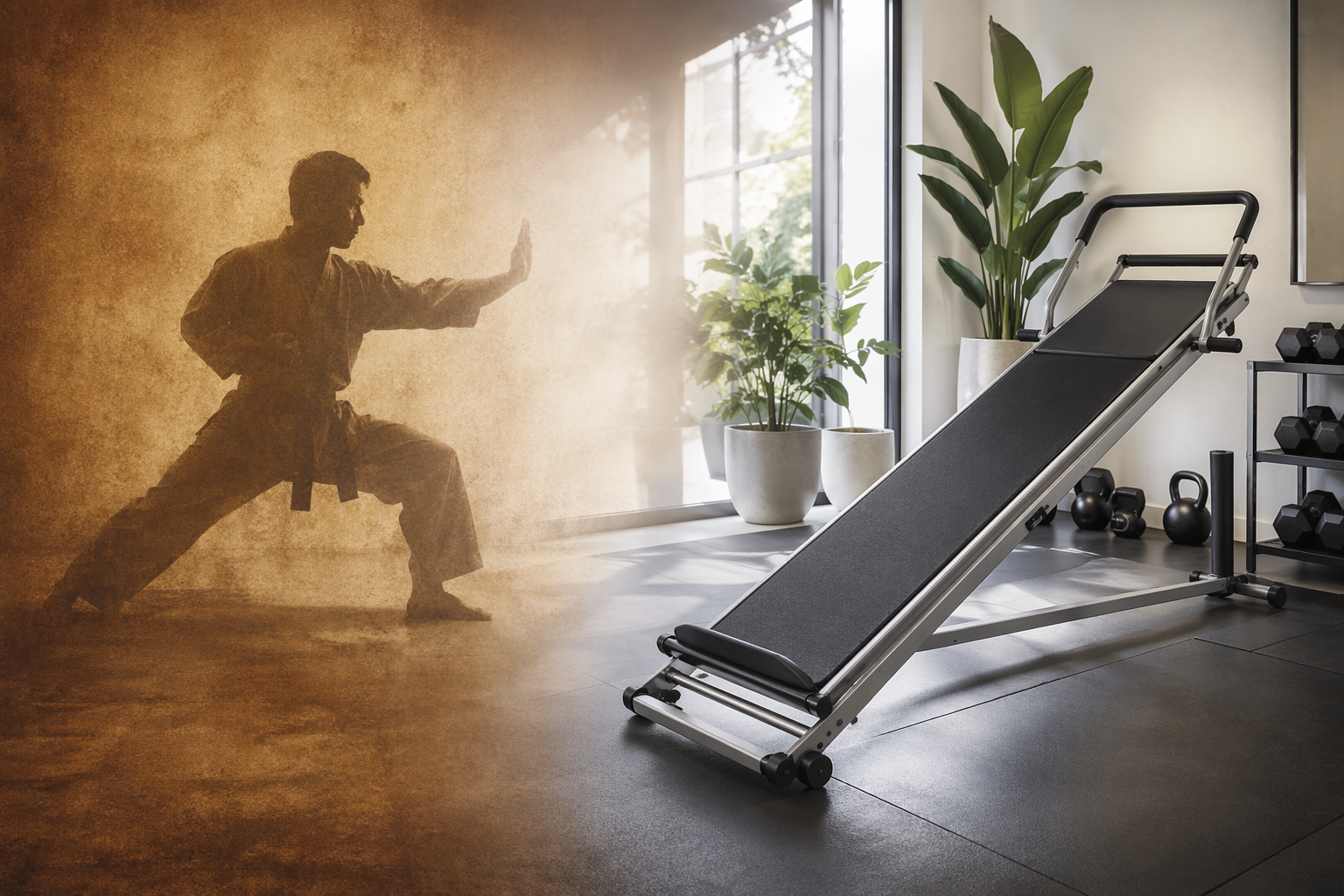
Why Everyone Knows the 'Chuck Norris Machine'
If you recognize the Total Gym, it is likely because of the infomercial. Since 1996, the brand has run what is widely considered the longest-running fitness infomercial in history, featuring Chuck Norris and Christie Brinkley. That campaign has aired in over 85 countries and helped push total unit sales past 4 million. The machine has become a cultural artifact — a piece of late-night television nostalgia that many people associate more with Norris's roundhouse kicks than with actual workout science.
That cultural baggage creates a real problem for anyone trying to evaluate the Total Gym as a serious piece of equipment. Is it a legitimate training tool, or is it just clever marketing that has outlived its relevance? The answer, as with most fitness equipment, depends entirely on what you are trying to accomplish.
This review is written for the skeptical buyer. It does not assume the Total Gym is a scam, but it also does not accept the infomercial claims at face value. The goal is to examine the evidence — the physics, the data, the expert opinions, and the real user experiences — and deliver a conditional verdict: worth it for some goals, a poor investment for others.
How Incline Bodyweight Resistance Actually Works
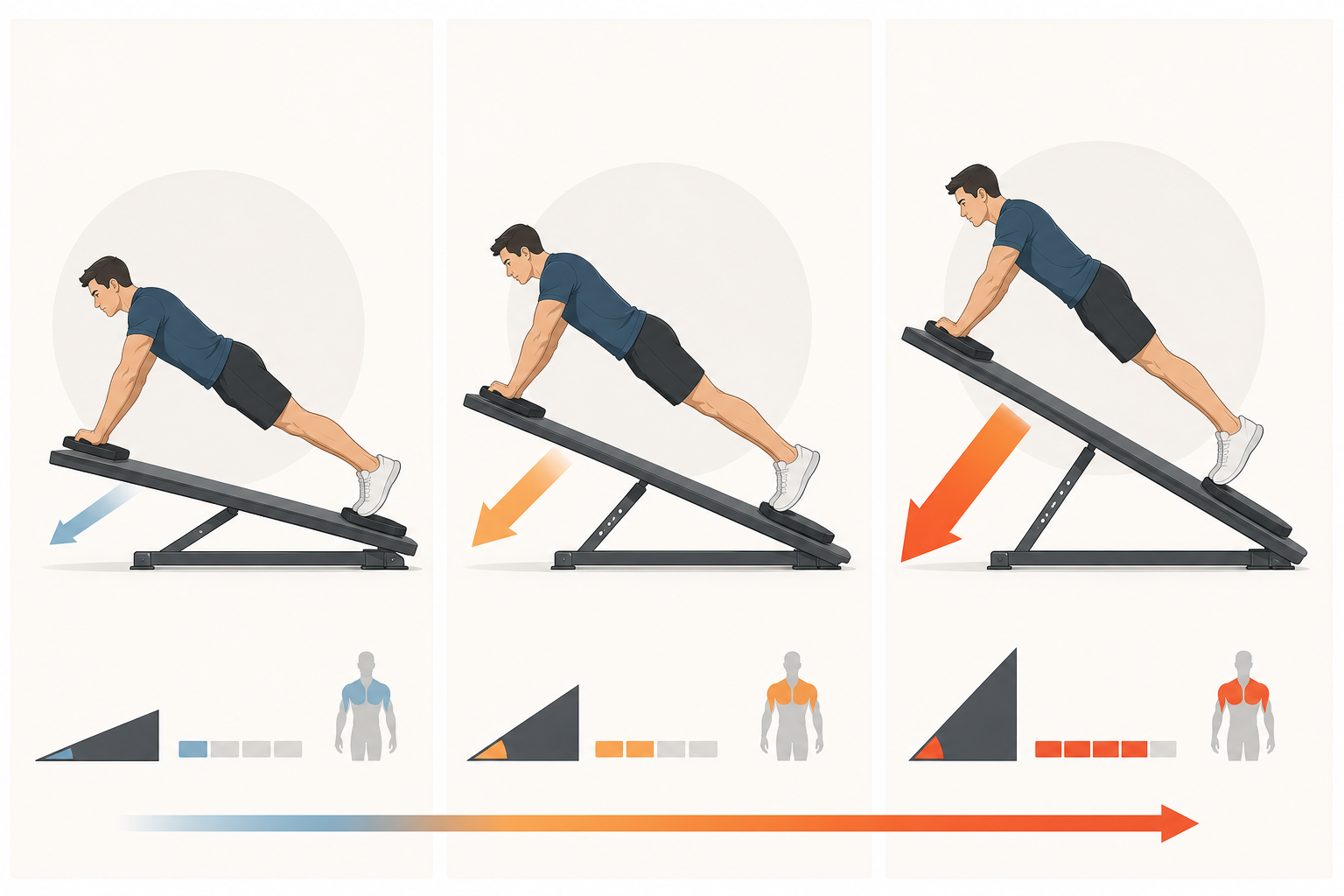
The Total Gym is not a cable machine, a weight stack, or a plate-loaded system. It is an incline bodyweight trainer. You lie or sit on a sliding carriage that rolls along a rail, and you pull your body weight — or a portion of it — against gravity. The angle of the rail determines how much of your body weight you are moving.
At a low incline, you are lifting roughly 30–40% of your body weight. At the maximum incline, that figure rises to approximately 70%. This is not a gimmick — it is a legitimate resistance modality that has been used in physical therapy and rehabilitation settings since the 1970s. The machine was originally created in 1974 by Tom Campanaro and Doug Marino, and by 1988 it had moved into clinical physical therapy environments.
This result comes from one real apartment under the stated conditions — it is a strong signal, not a guarantee your space will measure identically.
Builds this evidence supports
Cable Machine Alternatives That Save Space and Money
Compare the best cable machine alternatives for home gyms – from resistance bands and pulley systems to suspension trainers and compact digital units – and find the right option for your space and budget.
How to Choose a Compact Home Gym That Works for Your Space, Budget, and Noise Tolerance
This article provides a structured decision framework for apartment dwellers and small-space residents to match their specific floor footprint, noise sensitivity, and budget to the most suitable compact home gym strategy — whether that's an all-in-one machine, modular build, smart digital system, or band/bodyweight setup.
The Garage Gym Reality Check: What Equipment Actually Fits in a Single-Car Garage
Most garage gym guides assume a two-car space. This article uses real dimensions, real equipment footprints, and three layout templates to show what fits—and what doesn't—in a single-car garage (10x20 to 12x20 ft).
Spot something off?
If this result didn't match your own space, let us know — floor-damage and noise claims carry real deposit-risk consequences if we get them wrong.