
Why Your Fitness Needs Change After 40
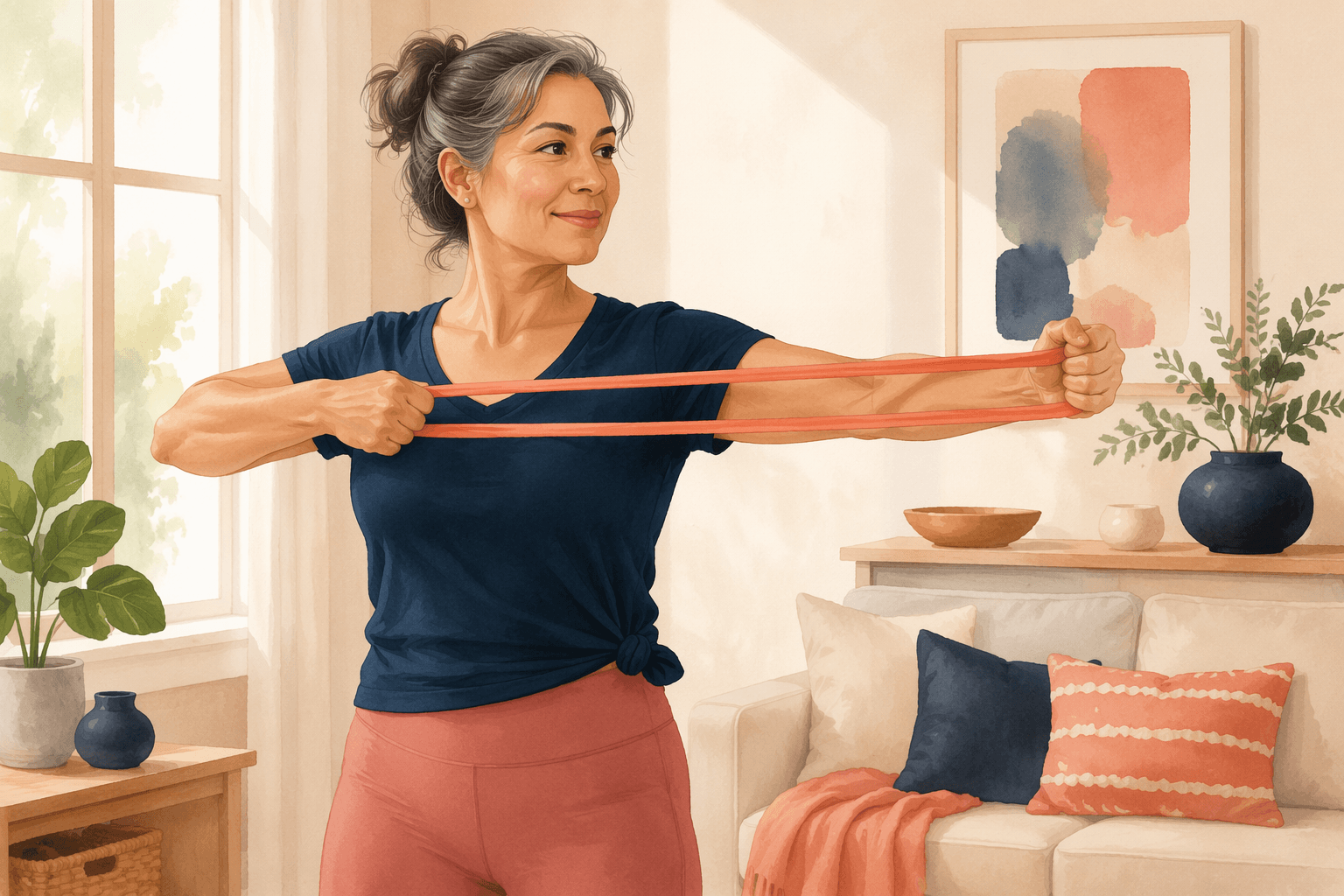
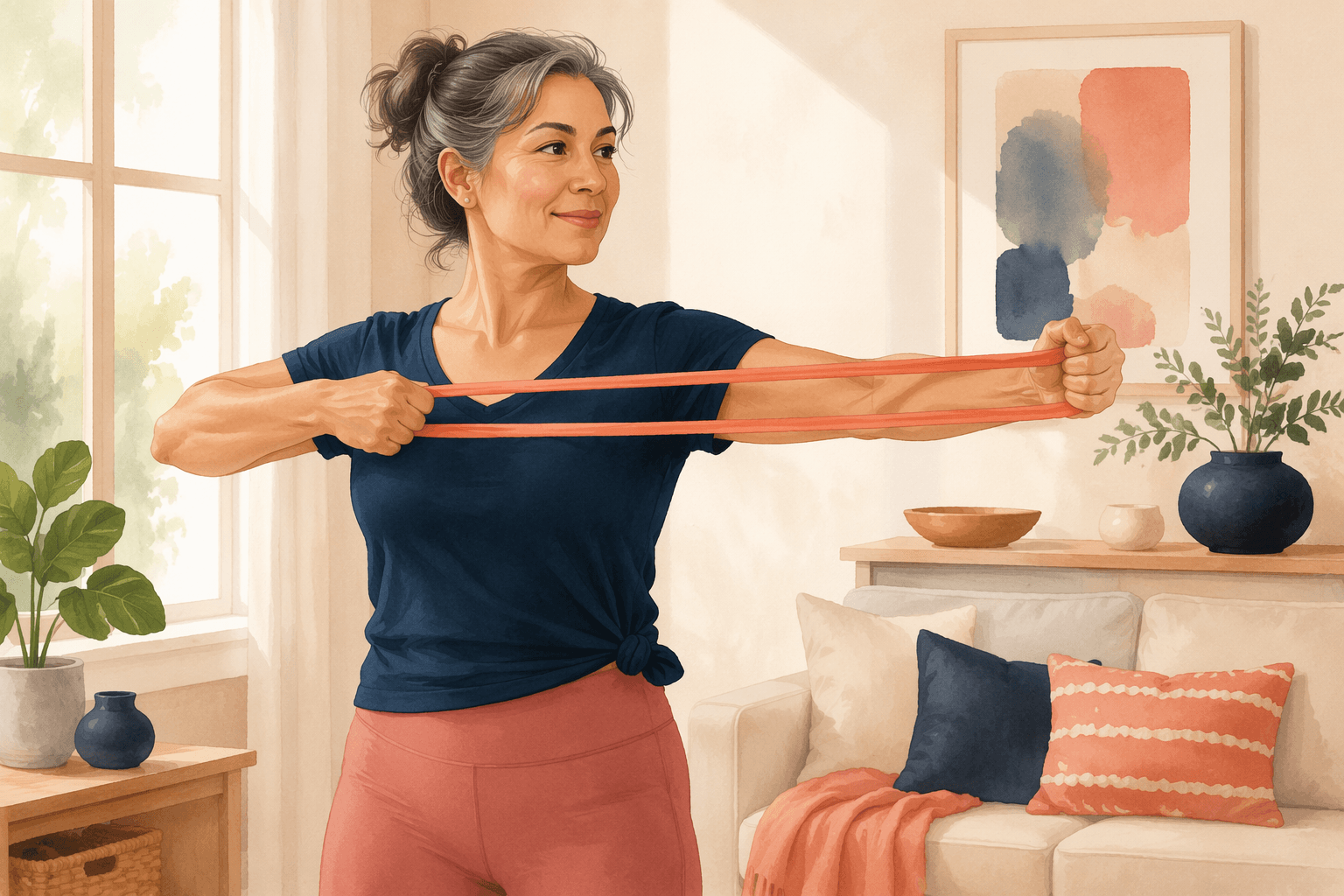
If you've been following the same workout routine for years and suddenly feel like your body is responding differently, you're not imagining it. The hormonal shifts that accompany perimenopause and menopause — particularly the decline in estrogen — fundamentally alter how your body builds muscle, stores fat, and recovers from exercise. Most workout apps were built for a general fitness population and simply don't account for these changes.
Estrogen plays a protective role in muscle protein synthesis, bone mineral density, and joint lubrication. As levels drop, women experience accelerated muscle loss, increased fat storage around the midsection, and greater susceptibility to joint pain and osteoporosis. The result is that a one-size-fits-all app — especially one built around high-impact cardio or aggressive calorie deficits — can actually work against your goals after 40.
This guide evaluates fitness apps through the lens of these physiological changes. We look at apps built specifically for women 40+, joint-friendly strength platforms, and mainstream options that can be adapted with the right program selection. If you are interested in how cycle phases affect training more broadly, our guide on cycle-syncing and women-specific programming covers that topic in depth. This article focuses specifically on the 40+ demographic and the unique challenges of perimenopause and menopause.
Apps Designed Specifically for Women 40+
A small but growing number of apps recognize that women over 40 are not a niche — they are a demographic with distinct physiological needs that generic programming fails to address. These apps build their entire training philosophy around hormone-aware exercise selection, metabolic adaptation, and joint preservation.
Reverse Health: Hormone-Aware Programming for Menopause
Reverse Health is currently the only major app built exclusively for women 40+ navigating menopause-related weight gain and body composition changes. According to Fortune's May 2026 review, the app delivers a 12-week program that combines hormone-friendly nutrition coaching, low-impact strength training, and habit-building strategies. Workouts include wall Pilates, chair yoga, and gentle strength circuits — all designed to be effective without stressing already-sensitive joints.
Pricing runs approximately $15–20 per month depending on promotional offers, which places it in the mid-range for subscription fitness apps. The program's emphasis on metabolic support — rather than calorie restriction — is a key differentiator for women whose bodies no longer respond to traditional diet-and-exercise approaches the same way they did in their 20s and 30s.
Bloom Method: Pelvic Floor and Core Foundation
While Bloom Method is best known for its prenatal and postnatal programming, its emphasis on diaphragmatic breathing, deep core activation, and pelvic floor recovery is equally relevant for women in perimenopause. Garage Gym Reviews' May 2026 testing noted that the app 'focuses heavily on diaphragmatic breathing, core activation, and pelvic floor exercises and recovery' — all areas that become more important as estrogen declines and connective tissue changes. At $29.99 per month, it is a specialized investment for women who want to address core stability and pelvic health as a foundation for all other training.
For readers who are also interested in pregnancy-related fitness, our guide to prenatal and postpartum fitness apps covers Bloom Method and other apps in that context. This guide focuses on how those same features serve women in perimenopause and menopause.
Joint-Friendly Strength Training Apps
Joint pain — particularly in the knees, shoulders, and lower back — is one of the most common complaints among women over 40 who try to maintain a strength training routine. Standard strength programs often include exercises that exacerbate these issues. The following apps were built with joint safety as a primary design constraint, not an afterthought.
| App | Monthly Price | Key Feature | Best For |
|---|---|---|---|
| Evlo Fitness | $59.99/mo | PT-created, joint-safe strength classes | Women with back, shoulder, or knee concerns |
| Melissa Wood Health | $15/mo or $135/yr | Low-impact Pilates-yoga fusion, 10–30 min sessions | Joint-sensitive exercisers wanting shorter workouts |
Evlo Fitness: Physical Therapist-Designed Strength
Evlo Fitness was named the Most Joint-Friendly App by Women's Health in their 2025 roundup, and it remains one of the most thoughtfully programmed strength apps on the market. Every class is created and taught by physical therapists, blending elements of Pilates, barre, yoga, and light cardio into a strength training framework that prioritizes 'gentle consistency' over maximal exertion. One editor reported that the app resolved chronic low back pain that had persisted through conventional deadlift programming.
At $59.99 per month, Evlo is significantly more expensive than most fitness apps. That premium reflects the clinical expertise behind the programming. For women with existing joint issues or a history of injury, the cost may be justified by the reduced risk of aggravation and the ability to train consistently without pain.
Melissa Wood Health: Low-Impact, Short-Duration Workouts
Melissa Wood Health offers a Pilates-yoga fusion format that is inherently low-impact and joint-friendly. CNET's June 2026 review highlights its 10- to 30-minute sessions, making it practical for women who are balancing work, caregiving, and other responsibilities. At $15 per month or $135 per year, it is one of the more affordable options in this category. The app does not require heavy equipment — most workouts use bodyweight or light resistance bands — which makes it accessible for home practice without a large equipment investment.
For readers who want a broader look at strength training apps for women, our guide to strength training apps covers progressive overload and heavy lifting options. This guide focuses specifically on joint-safe programming for the 40+ demographic.
General Apps That Work for Women Over 40 (With the Right Program Selection)
Not every woman over 40 needs a specialized app. Mainstream fitness platforms can still deliver excellent results — provided you know which programs to choose and which to avoid. The key is understanding that these apps were designed for a broad audience, so you must self-select programming that aligns with your current physiological needs.
Sweat: Structured Strength With the PWR Program
Sweat remains one of the most popular fitness apps for women, with over 1 million users according to CNET. Its PWR At Home program offers structured hypertrophy-focused strength training that can be adapted for progressive overload without requiring heavy dumbbells. The app costs $25 per month or $135 per year. However, Garage Gym Reviews notes that Sweat 'lacks progressive overload principles' in some of its programming, which means users need to be intentional about increasing resistance or volume on their own. For women 40+, this is manageable if you understand the principle — but it is not handed to you.
Peloton: Low-Impact and Strength Categories
Peloton's app — named Best Overall by Good Housekeeping — offers over 16 workout types including dedicated low-impact and strength categories. At $13 per month or $129 per year, it is competitively priced. The multi-trainer format means you can find instructors whose cueing style and modification options match your needs. Peloton also launched a separate Strength+ app at $10 per month for users who want a pure strength training experience without the broader class library.
The key for women 40+ is to deliberately select low-impact strength classes and avoid the high-impact cardio programming that dominates the platform's cycling and running content. Peloton does not filter by joint impact or bone density considerations — that selection is on you.
Apple Fitness+: Modification Cues From Multiple Trainers
Apple Fitness+ stands out for its multi-trainer format, where one trainer leads the workout while others demonstrate modifications. Good Housekeeping named it Best Variety, citing 12+ workout modalities and the visible modification cues. At $10 per month or $80 per year, it is one of the most affordable mainstream options. The time-to-walk and yoga categories are particularly well-suited for women 40+ who want low-impact movement with recovery benefits.
The limitation is that Apple Fitness+ is deeply integrated into the Apple ecosystem — you need an Apple Watch to use it fully. If you are already in that ecosystem, it is a seamless option. If not, the barrier to entry is higher than a standalone app.
Yoga, Mobility, and Recovery Apps for the 40+ Demographic
Mobility and recovery work become increasingly important as joint health and stress management take center stage during perimenopause. Yoga and gentle movement apps can support both physical recovery and the nervous system regulation that becomes harder as hormonal fluctuations affect sleep and stress tolerance.
Down Dog: Customizable Intensity and Pace
Down Dog offers a highly customizable yoga experience at $7.99 per month. You can adjust the intensity, pace, and focus area — restorative, gentle, or more active flows — which makes it adaptable to how your body feels on any given day. For women 40+ who experience variable energy levels and joint sensitivity, this flexibility is valuable. The app also includes a dedicated restorative yoga track that is appropriate for recovery days.
Alo Wellness Club: Now Free With 3,000+ Classes
Alo Wellness Club transitioned to a completely free model in 2026, according to Good Housekeeping, offering over 3,000 classes spanning barre, Pilates, yoga, and HIIT. The gentle yoga and restorative categories are particularly relevant for women 40+ who want to maintain mobility without high-impact stress. The free pricing removes any barrier to entry, making it an easy addition to a routine that already includes a strength-focused app.
Features to Prioritize After 40: A Decision Checklist
When evaluating any fitness app through the lens of perimenopause or menopause, these are the features that matter most. Use this checklist to assess whether an app — specialized or mainstream — actually serves your needs.
- Bone density awareness: Does the app include weight-bearing exercises that support bone health without relying on high-impact movements? Look for programming that incorporates resistance training with controlled, progressive loading.
- Joint impact filters: Can you filter workouts by impact level? Apps that let you select 'low impact' or 'joint-friendly' categories make it easier to avoid exercises that aggravate knees, shoulders, or the lower back.
- Pelvic floor integration: Does the app address core and pelvic floor engagement? This is not just a postpartum concern — declining estrogen affects connective tissue, making pelvic floor awareness relevant throughout perimenopause.
- Recovery tracking: Does the app include rest day guidance, recovery metrics, or deload weeks? Hormonal fluctuations affect recovery capacity, and an app that ignores this will push you toward overtraining.
- Metabolic and weight management support: Does the app address nutrition and metabolic adaptation, or does it rely on calorie restriction alone? Apps that understand the metabolic changes of menopause — like Reverse Health — are more effective than generic calorie-counting approaches.
- Progressive overload without heavy weights: Can you progress in difficulty without needing to lift maximal loads? Look for apps that use tempo changes, increased volume, or unilateral movements to create progressive overload safely.
Pricing Comparison and Annual Savings
Subscription costs vary widely across the apps discussed in this guide. The table below shows monthly and annual pricing, along with any free tiers. Note that the average fitness app user churns within 90 days, according to FitCraft's March 2026 pricing analysis — annual billing may not be the best choice if you are still evaluating which app fits your routine.
| App | Monthly Price | Annual Price | Free Tier |
|---|---|---|---|
| Reverse Health | $15–20/mo | Not specified | No |
| Evlo Fitness | $59.99/mo | Not specified | No |
| Melissa Wood Health | $15/mo | $135/yr | No |
| Sweat | $25/mo | $135/yr | No |
| Peloton App One | $13/mo | $129/yr | No |
| Apple Fitness+ | $10/mo | $80/yr | No |
| Down Dog | $7.99/mo | Not specified | No |
| Alo Wellness Club | Free | Free | Full access |
Annual billing can save between 19% and 67% depending on the app, according to FitCraft's data. For example, Sweat's annual plan saves approximately 50% compared to paying monthly, and Apple Fitness+ annual billing saves about 33%. However, given the high churn rate in fitness apps, consider starting with a monthly plan until you are confident the app supports your long-term routine.
Quick Decision Guide: Which App Fits Your Primary Concern?
Use the table below to match your primary fitness concern with the most appropriate app. If you are new to fitness apps entirely, our beginner's guide to exercise apps can help you build a routine from scratch.
| Primary Concern | Recommended App | Why It Fits |
|---|---|---|
| Strength preservation and muscle retention | Reverse Health or Sweat (PWR) | Both offer structured strength programming; Reverse Health is hormone-aware, Sweat provides hypertrophy-focused plans |
| Weight management during menopause | Reverse Health | 12-week program with hormone-friendly nutrition coaching and metabolic support |
| Joint pain (back, shoulders, knees) | Evlo Fitness or Melissa Wood Health | PT-created joint-safe classes (Evlo) or low-impact Pilates-yoga fusion (Melissa Wood Health) |
| Bone density maintenance | Apple Fitness+ or Peloton | Both offer weight-bearing strength classes; select low-impact strength categories to protect joints |
| Pelvic floor and core stability | Bloom Method | Dedicated focus on diaphragmatic breathing, core activation, and pelvic floor recovery |
| Budget-friendly option | Alo Wellness Club or Down Dog | Alo is free with 3,000+ classes; Down Dog is $7.99/mo with customizable yoga |
| Short workouts (10–20 minutes) | Melissa Wood Health or Apple Fitness+ | Both offer sessions under 30 minutes with modification options |
The most important takeaway is that your fitness needs after 40 are real and valid — and the right app can make a significant difference in how you feel, move, and progress. Whether you choose a specialized platform like Reverse Health or adapt a mainstream app like Peloton with intentional program selection, the key is to prioritize strength preservation, joint health, and recovery over volume and intensity. Your body is not the same as it was at 25, and your workout app should reflect that.
Comments
Join the discussion with an anonymous comment.