
The comeback starts with less
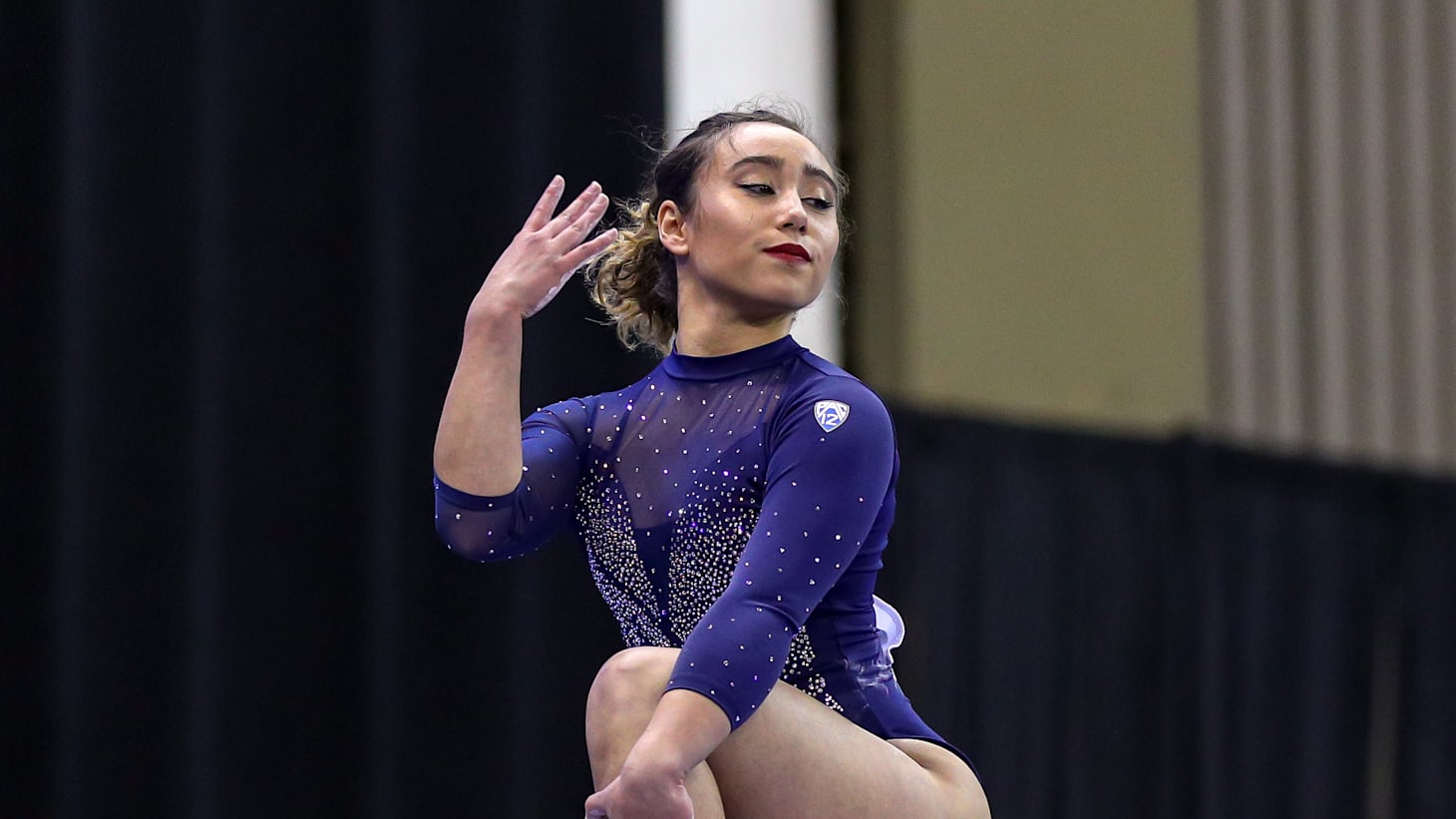
Katelyn Ohashi's 2026 return works because it sounds almost anti-dramatic. "I don't do too many reps, but I make sure the ones I do count," she told Forbes, and the line reads like a training rule instead of a slogan. She has also described the comeback as feeling like there is still "gas in the tank," which frames the return as curiosity and enjoyment rather than a demand to relive a younger body [1][2].
That restraint matters because her earlier elite career was not built on clean, easy progress. Ohashi has said she was told at 14 that she looked like a pig and did not look like a gymnast, and she competed with a fractured back and two torn shoulders before leaving elite gymnastics in 2013 [3].
The physical damage was only part of it. At UCLA, psychological support was part of the reset, and she has also spoken about an eating disorder and exercise addiction as part of that history.
What the 2026 workload actually looks like
The useful part of the 2026 update is not that she is working hard, but how tightly the work is controlled. Forbes reported that she hired a personal trainer, lifted four times a week for about three hours per session, and went straight to physical therapy after every practice session [1]. That is a preparation phase, not a universal prescription, but it shows what her version of "more" looks like now: more precision, more structure, and more recovery built into the day.
USA Gymnastics also reported that her return ran through the American Classic and U.S. Classic in mid-2026, where she competed only beam and floor and left uneven bars for 2027 [4]. That is deliberate load management, not hesitation. It is the opposite of the old comeback script that tries to prove everything at once.
What transfers to home workouts
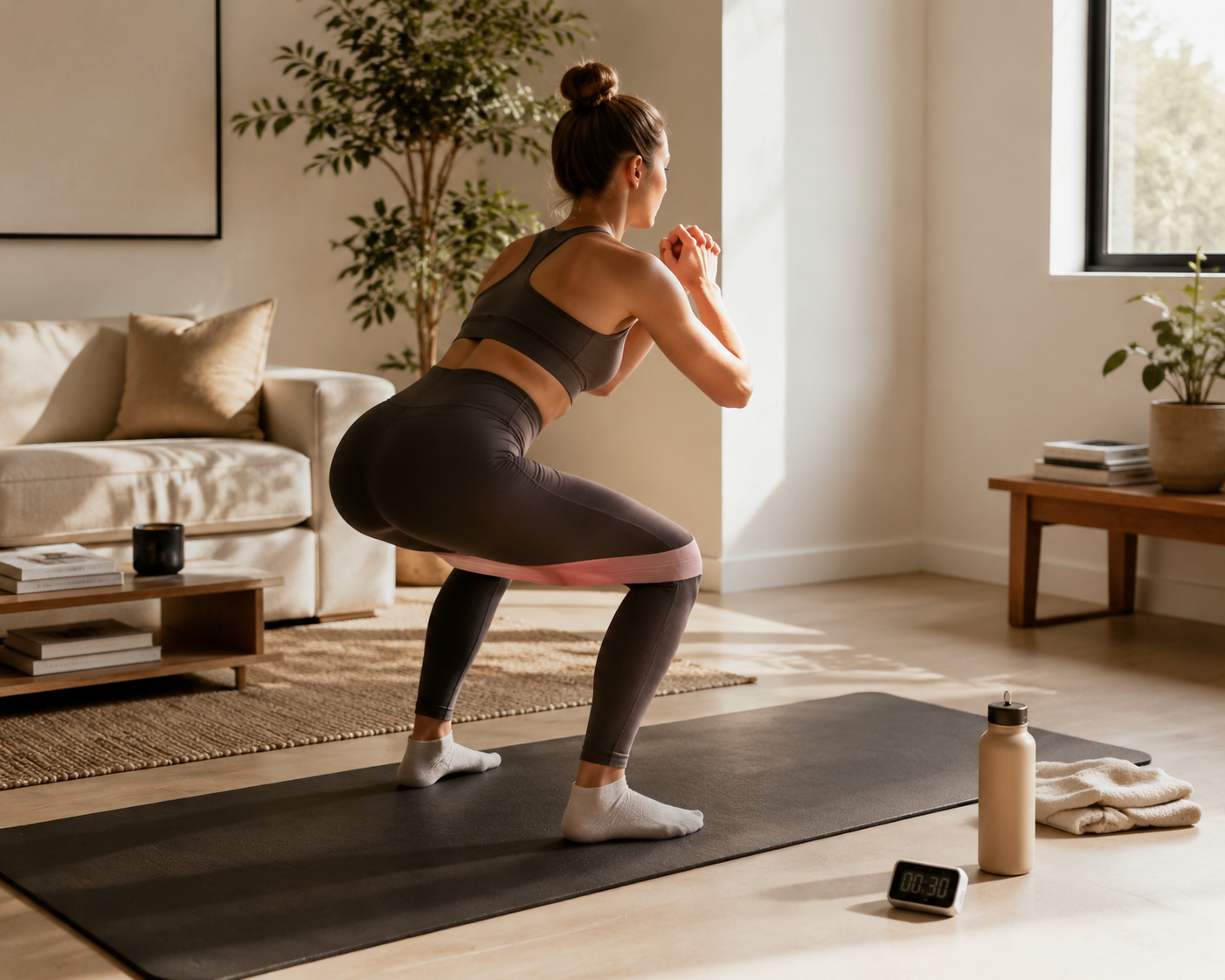
That same logic works at home, where a workout gets better when the reps stay honest. In a 2020 TikTok demo, PopSugar showed single-leg RDLs with a booty band and light dumbbells, 180 jump squats, lunge jumps, V-ups, elevated push-ups, and wall handstands; the article was explicit that this was a demonstration, not a certified training plan [5]. The point is not to copy the circuit line for line. It is to see how controlled movement, not random intensity, carries the session.
- Use fewer reps and make each one clean enough that you can repeat it without drifting.
- Build recovery into the session with a cool-down, mobility work, or a short walk instead of treating it as optional.
- If form breaks or you start compensating, lower the load or shorten the range before you add more volume.
- Choose one or two main movement patterns per workout so the effort stays deliberate instead of scattered.
Her nutrition setup should stay in the category of "specific to her." Ohashi manages ulcerative colitis, so the meals, hydration habits, and recovery support around her training are shaped by a medical history most readers do not share. That makes her approach useful as a model of planning, but not as a menu to copy. The transferable habit is scheduling recovery with the same seriousness as the work itself.
The lesson here is that progress does not have to look punishing to be real. Fewer, better reps; recovery that is planned, not improvised; and a pace that protects the body you actually have now are enough to make the work count.
References
- Katelyn Ohashi Gives Training Update Ahead of 2026 U.S. Classic - Forbes, July 9, 2026
- Katelyn Ohashi: "I still feel like there's gas in the tank" - Olympics.com, June 2026
- Katelyn Ohashi: body image, injury and life after elite gymnastics - BBC Sport, 2019
- Drusch tops American Classic as Carey, Ohashi return - USA Gymnastics, July 2026
- Katelyn Ohashi's Exercise Moves to Do at Home - PopSugar, March 2020
Comments
Join the discussion with an anonymous comment.