
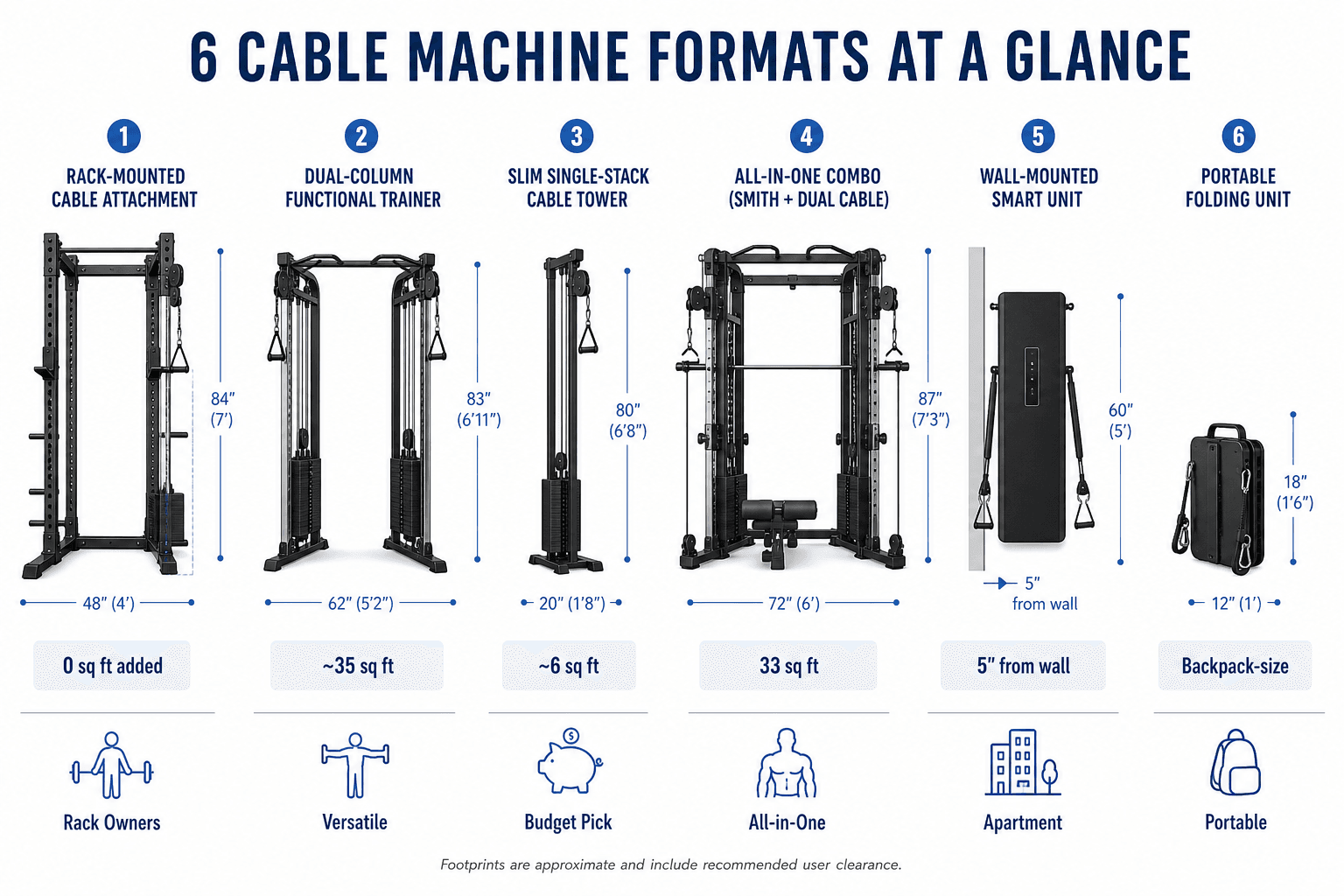
I used to think a decent home gym cable machine cost about two thousand dollars. Then I looked at actual prices. The Bells of Steel Cable Tower 2.0 runs $500–$700. The Tonal 2 runs $4,295 plus $60 a month. The average from Garage Gym Reviews' database of 30+ tested machines puts it at $2,265. That number is real, but it mixes a $500 plate‑loaded tower with a $4,200 all‑in‑one – those are different buying decisions. The average applies to nobody. The real question is which format fits your space, your rack, and your training style.
What That Average Hides
The spread matters more than the midpoint. Plate‑loaded cable towers like the Cable Tower 2.0 live under $1,000. Smart machines like the Tonal 2 push past $4,000 and lock you into a subscription. All‑in‑one combos land in the $1,500–$3,000 range. If you read only the $2,265 average, you don't know which of those three worlds you're in. You need to decide whether you already own a rack, how much floor space you have, and whether you'll tolerate monthly fees.
Three Formats, Three Very Different Costs
Plate‑loaded cable towers (the simple ones) attach to your existing rack or stand alone. They use your own weight plates. No subscriptions, no electronics. The Bells of Steel Cable Tower 2.0 is $500–$700. The REP Ares 2.0 runs about $1,200. The catch: you need to buy plates if you don't have them, and the pulley ratio is usually 2:1 – I'll get to that in a second.
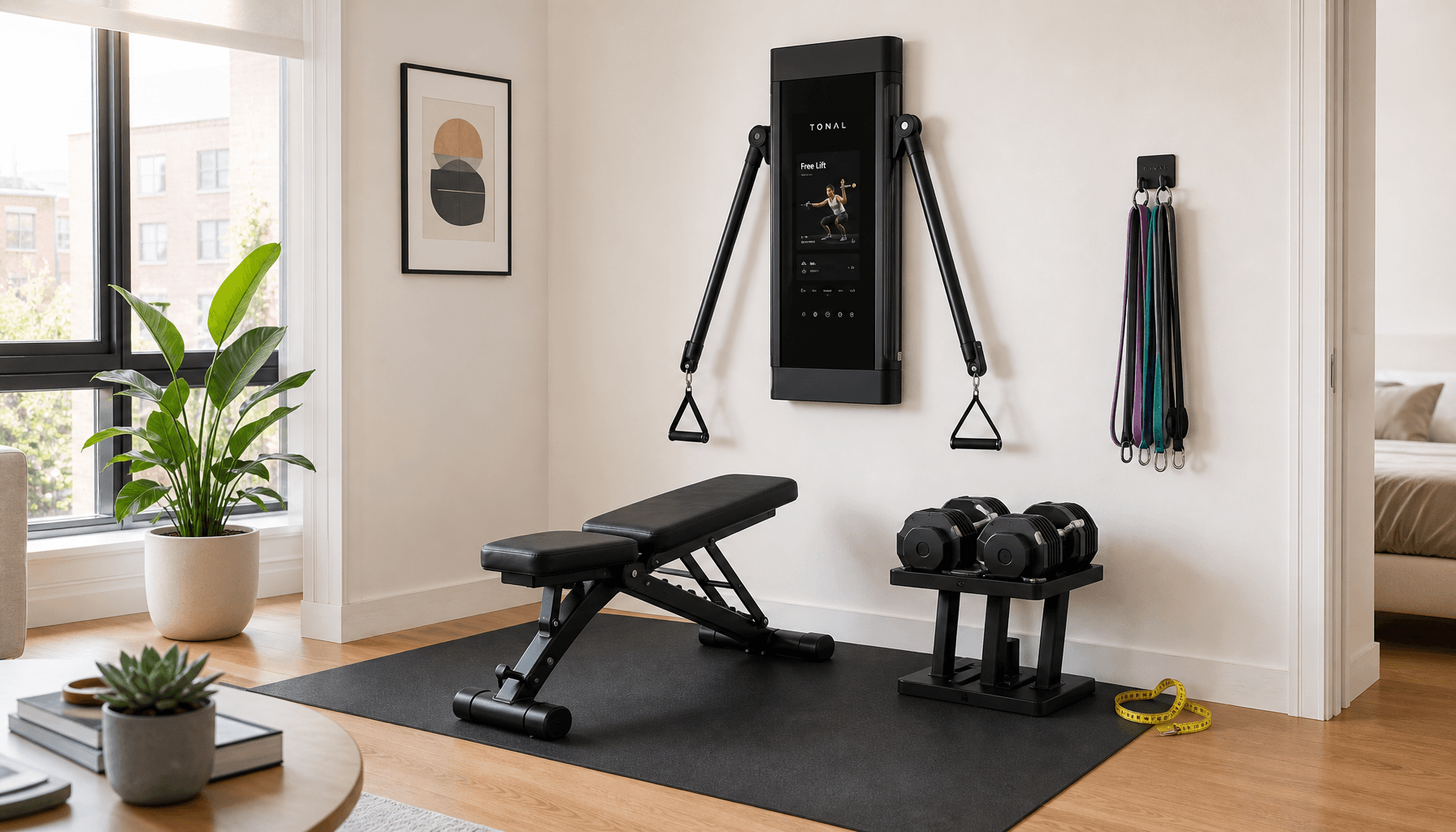
Smart and portable machines are a different animal. The MAXPRO SC is $749 and uses resistance bands – no power, no subscription. The Tonal 2 is $4,295 plus $60 a month for the membership. Those two get lumped together as 'digital' in some guides, but the cost difference over five years is over $7,000. That's not a category; that's two separate spending plans.
All‑in‑one combos like the Force USA G12 or Major Fitness B17 replace a cable machine, a Smith machine, and a lat pulldown. They take up about 33 square feet. They cost $1,500–$3,000 but don't require a separate rack. The trade‑off is footprint – can you spare that much floor space for a single station?
The Pulley Ratio You'll Feel in Your Rows
I bought a compact cable tower without checking the pulley ratio. Six months later, I was fighting the cable for rows. Here's the difference: a 2:1 ratio means the cable moves two inches for every inch of handle travel – it feels lighter, allows smaller weight jumps, and is smoother for cable flyes. A 1:1 ratio means the cable moves one inch per inch – it's truer to the stack weight, better for pulldowns and rows. If your primary exercises are rows and lat pulldowns, a 1:1 machine will feel more solid. If you do flyes and face pulls, 2:1 is fine. Miss that distinction and you'll wonder why your '100 lb' cable row feels like 50.
Warranties That Change the Math
Nylon pulleys glaze over by year three. Aluminum pulleys with brass bushings can last a decade. That difference matters if you plan to own the machine longer than a few years. REP Ares 2.0 has a lifetime frame warranty, but plastic parts are limited. Body‑Solid GDCC250 offers lifetime on the frame and two years on parts – and it doesn't cover normal cable wear. Warranty fine print is where a $500 machine can become a $1,000 machine if you have to replace pulleys every few years. I'd check that before buying any format.
Format Over Brand
I've seen people buy a Tonal and then realize they can't do heavy rows because the max digital resistance is 200 lb, and they have no room to add plates. I've seen others buy a cheap plate‑loaded tower only to find the 2:1 ratio makes their heavy rows feel like child's play. The regret almost never comes from the brand. It comes from picking the wrong format for the exercises you actually do, the space you actually have, and the budget you actually want to maintain.
Pick your format first. Then pick the brand. The $2,265 average won't help you make that call. Knowing the real trade‑offs between plate‑loaded, smart, and all‑in‑one will.


Comments
Join the discussion with an anonymous comment.