
Why Outdoor Exercise Equipment Needs Different Evaluation Criteria
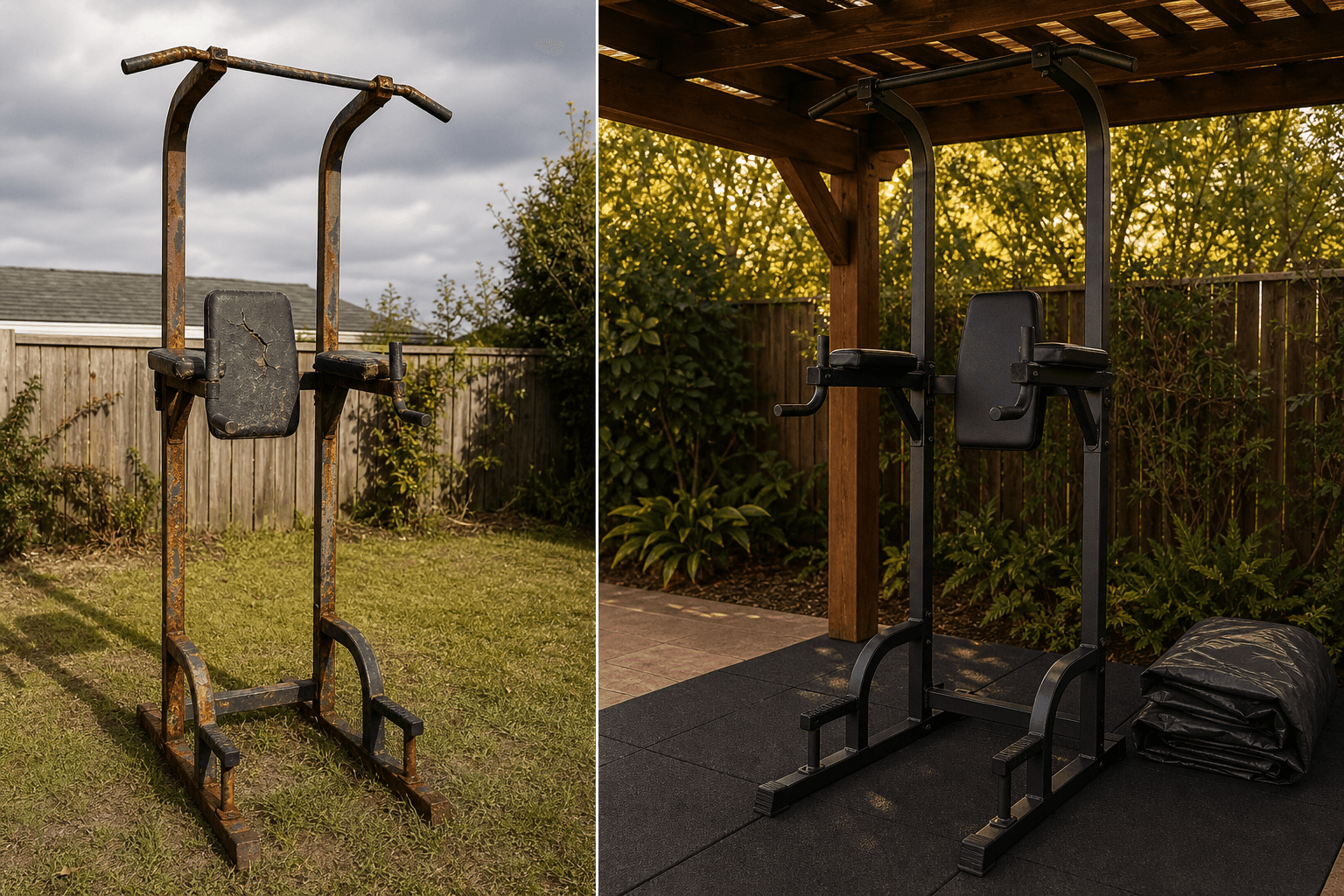
A power tower that earns a five-star rating in a garage or basement can become a rusted, wobbly hazard within two years of sitting on a patio. The reason is simple: most home gym equipment is designed, tested, and reviewed for indoor use. The evaluation criteria that matter indoors — resistance smoothness, frame stability on level flooring, noise level — tell you almost nothing about how a piece of gear will hold up against rain, UV radiation, salt spray, and freeze-thaw cycles.
This article takes a different approach. Instead of ranking products by features alone, we evaluated each piece of outdoor exercise equipment across three dimensions that indoor reviews routinely ignore: weather resistance (materials, coatings, and corrosion protection), space efficiency (footprint and storage practicality for a backyard or patio), and value per dollar over expected outdoor lifespan (not just purchase price, but how many years you can expect before replacement). The result is a curated set of eight top picks, each selected for a specific use case, backed by a transparent methodology.
How We Tested: Our Evaluation Methodology for Weather Resistance and Value
Every product in this comparison was evaluated against a fixed set of criteria designed to predict real-world outdoor durability. We did not conduct lab-style accelerated weathering tests. Instead, we assessed each product based on its material specifications, coating quality, design features that mitigate moisture and UV damage, and reported lifespan data from manufacturers and industry sources. Here is what we looked for.
Material Quality and Corrosion Resistance
The frame material is the single most important determinant of outdoor lifespan. We prioritized products using 316L stainless steel, which offers excellent corrosion resistance even in coastal environments and carries a typical lifespan of 20+ years according to manufacturer estimates. For powder-coated steel frames, we checked whether the coating thickness meets or exceeds 6 mil — the minimum recommended by commercial equipment suppliers for outdoor use. Products with painted steel or thin cosmetic coatings received lower durability scores.
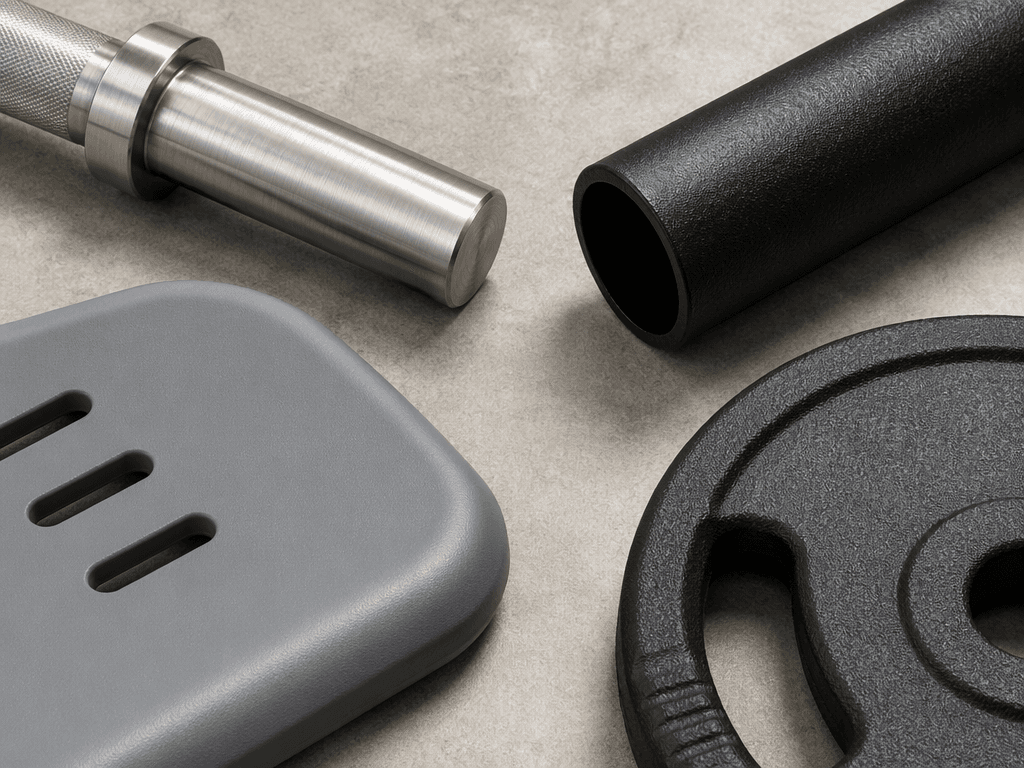
For plastic and upholstery components, we distinguished between HDPE (high-density polyethylene), which is UV-stable and weather-resistant with a lifespan of 5–10 years, and cheaper ABS plastics that can crack within 2–3 years of direct sun exposure. For weight plates, we evaluated whether the coating is rubber or urethane, as urethane outlasts rubber in extreme temperature swings.
Rust Resistance After Exposure
We assessed each product's design features that prevent moisture accumulation: drain holes in hollow uprights, sealed bolt holes, and the use of stainless steel hardware. Products that trap water in frame channels or use zinc-plated bolts that corrode quickly were marked down. We also considered whether the manufacturer explicitly rates the product for outdoor use or includes a warranty that covers corrosion — a strong signal of confidence in the materials.
UV Stability and Temperature Tolerance
UV radiation degrades plastics, vinyl upholstery, and powder coating over time. We checked whether seat pads and grip surfaces use marine-grade vinyl or HDPE rather than standard PVC or foam. For barbells and weight plates, we considered the effect of thermal expansion: rubber expands and contracts significantly with temperature changes, leading to premature degradation, while urethane remains dimensionally stable.
Weight Capacity and Footprint
Every product was evaluated for its stated weight capacity and its floor footprint. For free-standing power towers, we looked for units under 20" x 40" that can fit on a standard patio or balcony while supporting a minimum of 300 lbs. For benches and plyo boxes, we prioritized adjustable or multi-function designs that reduce the number of separate pieces needed.
Top Picks by Category: The Best Outdoor Exercise Equipment for Your Backyard Gym
Each pick below is organized by equipment category. We selected one primary recommendation per category based on our evaluation criteria, with a note on alternatives where relevant. Prices are as of Q2 2026 and may vary by retailer.
Best Overall Outdoor Power Tower: Stamina Outdoor Power Tower Pro
The Stamina Outdoor Power Tower Pro (regularly $849.99, currently $594.99 at 30% off) is the most weather-ready power tower we found at a residential price point. It features a powder-coated steel frame with a compact footprint that fits most patios and balconies. The frame uses thicker-gauge steel than budget alternatives, and the pull-up grips and dip handles are designed to shed water rather than trap it. With a weight capacity in the 300–450 lb range, it accommodates most home users. The adjustable height settings also make it suitable for multiple family members.
For a more budget-friendly alternative, the Stamina Outdoor Fitness Power Tower ($454.99, regularly $649.99) offers similar functionality with a slightly lighter frame. Both models are freestanding and require no anchoring, making them suitable for renters.
Best Outdoor Pull-Up / Dip Station for Small Spaces: Sportsroyals Power Tower
If your outdoor space is limited to a narrow balcony or a tight corner of a patio, the Sportsroyals Power Tower ($150–$230) is the most space-efficient option we evaluated. Its footprint is under 20" x 40", and the unit is light enough to move indoors during extreme weather. The trade-off is a lower weight capacity and thinner powder coating — expect a shorter outdoor lifespan than the Stamina Pro, especially in humid or coastal climates. This pick is best for users who want a low-cost entry point and are willing to store the unit under a cover or bring it inside during winter.
Best Weatherproof Weight Bench: MoveStrong Outdoor Adjustable Bench
Most adjustable weight benches use vinyl upholstery and painted steel — a combination that degrades quickly outdoors. The MoveStrong Outdoor Adjustable Bench stands out because it uses an HDPE seat and backrest instead of vinyl. HDPE is UV-stable, does not crack or fade for 5–10 years, and can be hosed off without damage. The frame is powder-coated steel with stainless steel hardware. The bench adjusts to multiple angles for incline, flat, and decline pressing. It is heavier than indoor benches, which is actually an advantage outdoors — it resists wind displacement.
Best Outdoor Plyo Box: Stamina Outdoor Adjustable Plyo Box
Plywood plyo boxes delaminate after a single wet season. Foam boxes absorb moisture and grow heavy. The Stamina Outdoor Adjustable Plyo Box ($299.99, regularly $349.99) solves both problems with a rotationally molded HDPE shell that is waterproof, UV-resistant, and easy to clean. It adjusts to three heights, eliminating the need for multiple boxes. The surface texture provides good grip even when wet. At roughly 20" x 24" of floor space, it fits neatly beside a power tower or bench.
Best Weather-Resistant Barbell: Stainless Steel or Cerakote-Finished Bars
Standard bare steel barbells will rust within days of outdoor exposure. The two viable options for outdoor use are stainless steel and Cerakote-finished bars. Stainless steel bars, such as the REP Colorado Bar ($300), require no maintenance on the shaft and are the most durable option for fully exposed outdoor racks. Cerakote bars offer excellent corrosion resistance with a lower price point, though the coating can chip if dropped on concrete. Both options cost 2–3x more than a bare steel bar, but they eliminate the need for monthly oiling and tarp storage.
Best Modular Outdoor Gym System: SwingSesh or BeaverFit Weatherproof Rigs
For users who want a complete outdoor training station — pull-up bar, dip station, suspension trainer anchors, and barbell hooks — modular systems from SwingSesh and BeaverFit are purpose-built for outdoor use. These rigs use powder-coated or galvanized steel frames with stainless steel hardware throughout. They are designed to be anchored into concrete or a wooden platform, making them a permanent installation. The modular design allows you to add attachments over time. The upfront cost is higher ($1,000–$3,000 depending on configuration), but the expected lifespan of 10–20 years makes the per-year cost competitive with replacing cheaper gear every few seasons.
Best Budget Outdoor Setup: BULLBAR Portable Bar + Rubber Plates + DIY Wooden Bench
Not everyone needs a power tower or a modular rig. For under $500, you can assemble a functional outdoor gym using a BULLBAR portable pull-up and dip bar (approximately $200), a set of urethane-coated weight plates (urethane outlasts rubber in extreme temperatures), and a DIY pressure-treated wooden bench that can be replaced for under $50 when it weathers. This setup is minimal but effective for pull-ups, dips, rows, presses, and squats. The trade-off is that you are trading durability for cost — the BULLBAR's powder coating is thinner than premium options, and the wooden bench will need annual sealing or replacement. For a deeper look at the trade-offs between integrated systems and modular builds, see our all-in-one machine vs. custom home gym cost-benefit analysis.
Comparison Table: Outdoor Exercise Equipment Specs, Pricing, and Estimated Lifespan
The table below summarizes all eight picks across the key evaluation dimensions. Estimated lifespans are based on manufacturer data and industry sources; actual results vary by climate and maintenance.
| Product | Category | Frame Material | Coating Type | Weight Capacity | Footprint (approx.) | Price Range | Est. Outdoor Lifespan |
|---|---|---|---|---|---|---|---|
| Stamina Outdoor Power Tower Pro | Power Tower | Powder-coated steel | Powder coating (thick-gauge) | 300–450 lbs | Under 20" x 40" | $595–$850 | 5–7 years residential |
| Stamina Outdoor Fitness Power Tower | Power Tower | Powder-coated steel | Powder coating (standard) | 250–350 lbs | Under 20" x 40" | $455–$650 | 3–5 years residential |
| Sportsroyals Power Tower | Power Tower | Powder-coated steel | Powder coating (thin) | 250–300 lbs | Under 20" x 40" | $150–$230 | 2–3 years if fully exposed |
| MoveStrong Outdoor Adjustable Bench | Weight Bench | Powder-coated steel + HDPE seat | Powder coating (6 mil+) | 500+ lbs | Varies (compact) | $400–$600 | 5–10 years (HDPE seat) |
| Stamina Outdoor Adjustable Plyo Box | Plyo Box | Rotomolded HDPE | None needed (HDPE is UV-stable) | 300+ lbs | ~20" x 24" | $300–$350 | 5–10 years |
| Stainless Steel Barbell (e.g., REP Colorado Bar) | Barbell | 316L stainless steel shaft | None needed (stainless) | 1,500+ lbs | ~86" length | $300–$500 | 20+ years (shaft) |
| SwingSesh / BeaverFit Modular Rig | Modular System | Powder-coated or galvanized steel | Powder coating (6 mil+) or galvanized | 500–1,000+ lbs | Varies (4' x 4' minimum) | $1,000–$3,000 | 10–20 years |
| BULLBAR Portable Bar + Urethane Plates + DIY Bench | Budget Setup | Powder-coated steel (BULLBAR) | Powder coating (standard) | 300+ lbs | Varies (portable) | $400–$600 | 2–4 years (BULLBAR); plates 5–10 years |
Buying Guide: What to Look for by Climate and Environment
The same piece of equipment will degrade at dramatically different rates depending on where you live. Here is how to match your purchase to your local conditions.
Coastal Environments (Sea Air)
Sea air accelerates metal corrosion by up to 10 times compared to inland environments. If you live within a few miles of the coast, 316L stainless steel is the only frame material we recommend. Powder-coated steel, even at 6 mil thickness, will eventually pit and rust in salt-laden air. For barbells, a stainless steel shaft is non-negotiable. For benches and plyo boxes, HDPE is ideal because it does not corrode. Avoid painted iron components entirely — they require constant repainting and will rust fast.
Humid and Rainy Climates
In humid environments, the primary threat is moisture trapped in hollow frame channels. Look for equipment with drain holes drilled into the lowest point of uprights so water can escape. Powder-coated steel with a minimum 6 mil coating is adequate if the coating is intact — inspect for chips or scratches on delivery and touch them up immediately. For upholstery, choose HDPE or marine-grade vinyl over standard PVC. Rubber components will degrade faster in constant humidity; urethane is a better choice for weight plates.
Arid and High-UV Environments
In desert climates, UV radiation is the primary enemy. HDPE and stainless steel are both highly UV-resistant and will not degrade in direct sun. Powder coating can fade over time but will remain protective if the coating is thick enough. The bigger concern is thermal expansion: rubber plates and grips will expand and contract with extreme temperature swings, leading to cracking. Urethane-coated plates are worth the premium in this environment. Vinyl upholstery will also degrade faster under intense sun — look for marine-grade materials or HDPE seating.
Snowy and Freeze-Thaw Climates
The freeze-thaw cycle is brutal on outdoor equipment. Water seeps into cracks and bolt holes, freezes, expands, and widens the damage. High-gauge steel frames with excellent impact resistance are important — they resist warping from heavy snow loads and ice. Drain holes are critical to prevent water from pooling inside uprights. For benches and plyo boxes, HDPE is freeze-thaw stable and will not crack. Avoid equipment with exposed foam or fabric components that will absorb moisture and freeze solid. If possible, store portable items (barbells, plates, small benches) indoors during winter months.
For a deeper dive into how specific materials perform across different climates, see our outdoor exercise equipment materials buying guide, which covers the full spectrum of frame materials, coatings, and plastic types used in outdoor fitness gear.
The Bottom Line: Choosing Outdoor Equipment That Lasts
The single most important decision you will make when buying outdoor exercise equipment is the frame material. Prioritize 316L stainless steel or thick powder-coated steel (6 mil minimum) for any equipment that will remain outdoors year-round. For seating and structural panels, choose HDPE over ABS plastic or vinyl — the 5–10 year lifespan of HDPE is a significant upgrade over the 2–3 years you will get from cheaper alternatives. For weight plates, urethane is a better long-term investment than rubber, especially in climates with extreme temperature swings.
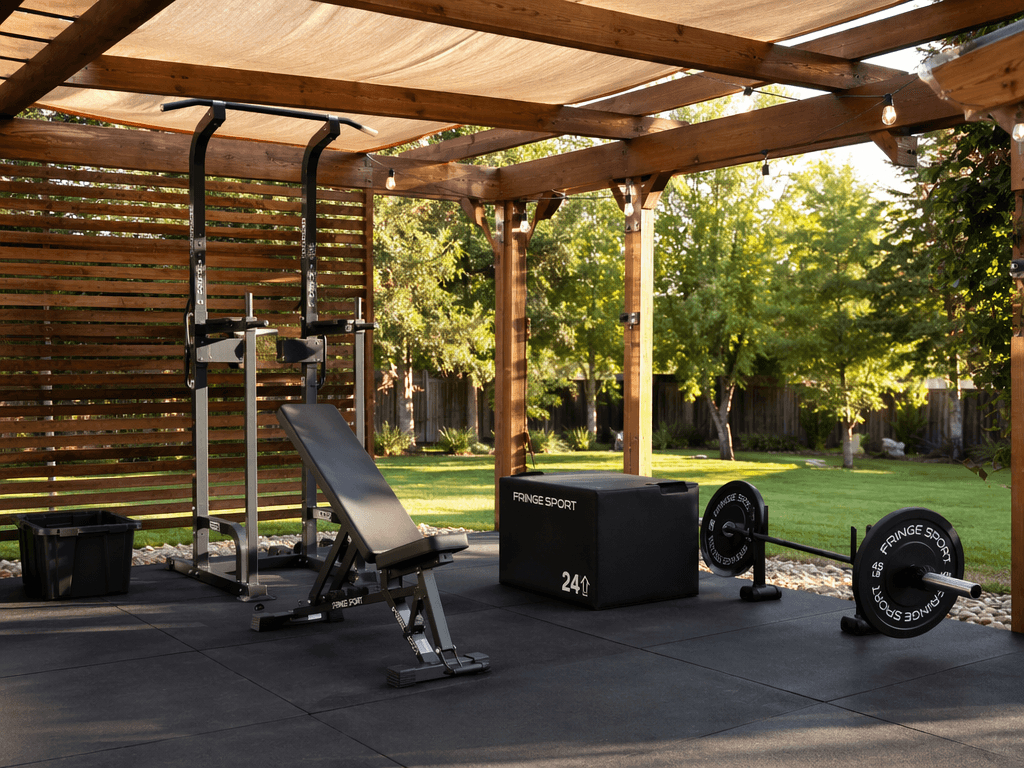
Match your equipment to your local climate. Coastal residents should treat 316L stainless steel as a requirement, not an upgrade. Users in humid or snowy climates should prioritize drain holes and sealed hardware. Desert dwellers should focus on UV stability and thermal expansion resistance. And no matter where you live, placing your equipment under a roof or pergola will dramatically extend its lifespan — open-air gyms under a roof suffer far less damage than fully exposed setups.
Once you have chosen your equipment, proper post-purchase care is what separates a 5-year setup from a 15-year one. Our complete weatherproofing and maintenance guide covers cleaning schedules, coating repair, winter storage protocols, and the specific products (303 Aerospace Protectant, mineral oil, Eastwood interior frame coating) that will keep your gear in working condition for years.
Comments
Join the discussion with an anonymous comment.