
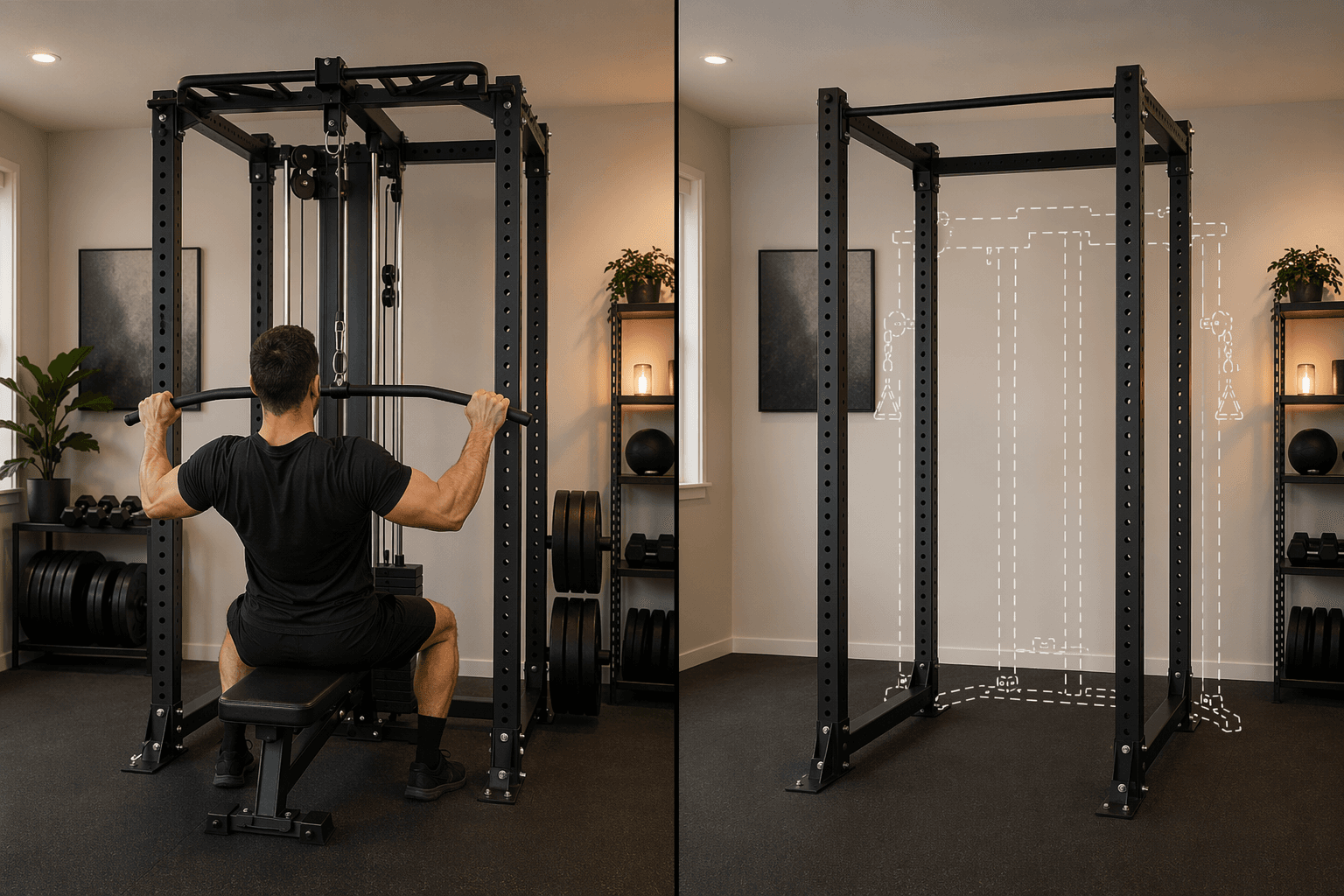
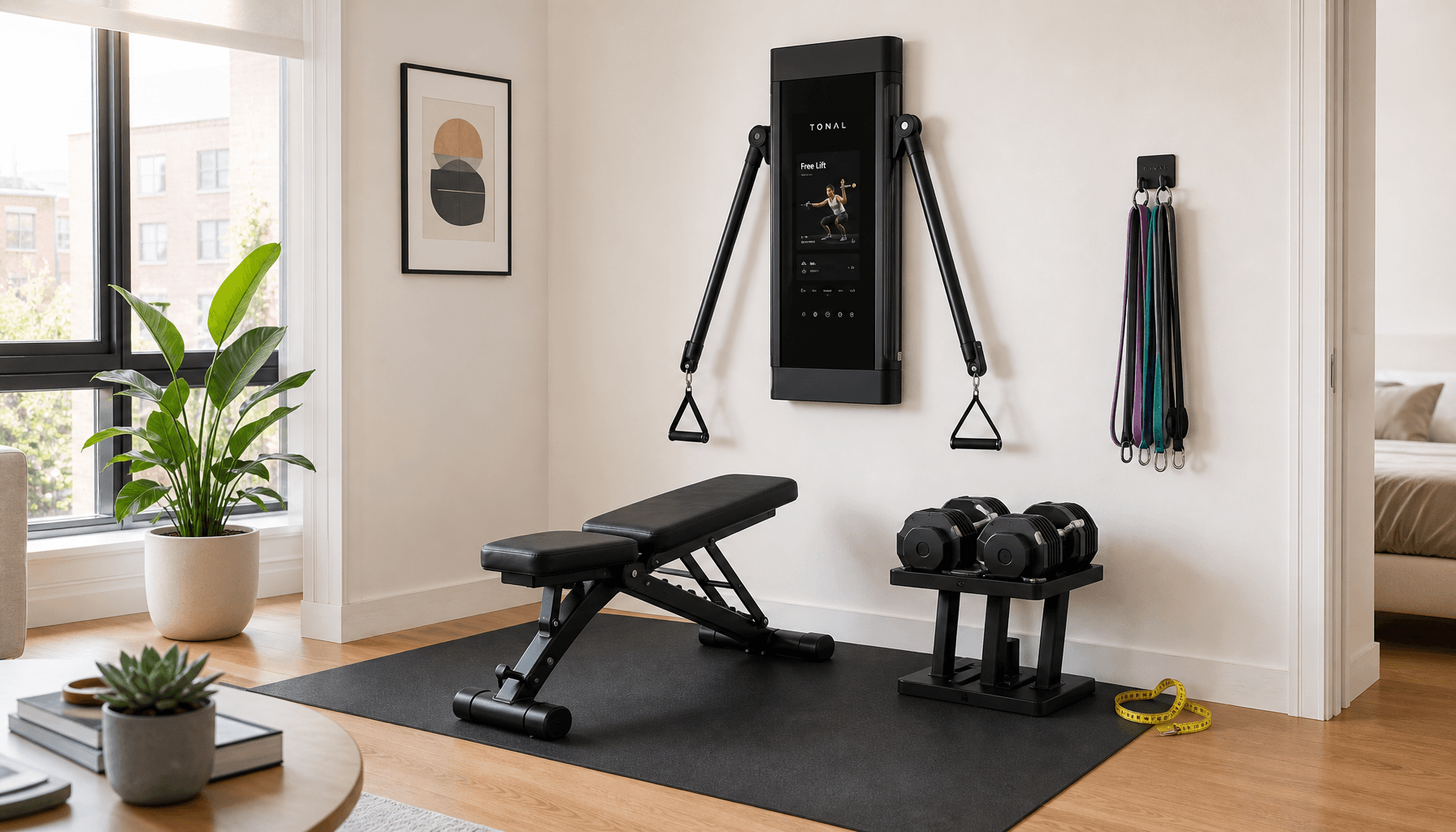
The Tonal 2 costs $4,295 at checkout. That number is a trap. Add the $59/month subscription you’re locked into for the first year—$708 minimum—and the first-year total hits $5,003. Over five years the same machine runs $7,835, of which $3,540 buys you membership, not hardware. Now compare that to the REP Ares 2.0 at $2,999.99. It ships with a lat pulldown bar and D-handles. You’ll want a tricep rope, ankle strap, and stirrup handles—that's roughly $280 more. So the real outlay is $3,280. No subscription. No additional plates. And the pulleys are aluminum, not nylon—they stay smooth past year five.
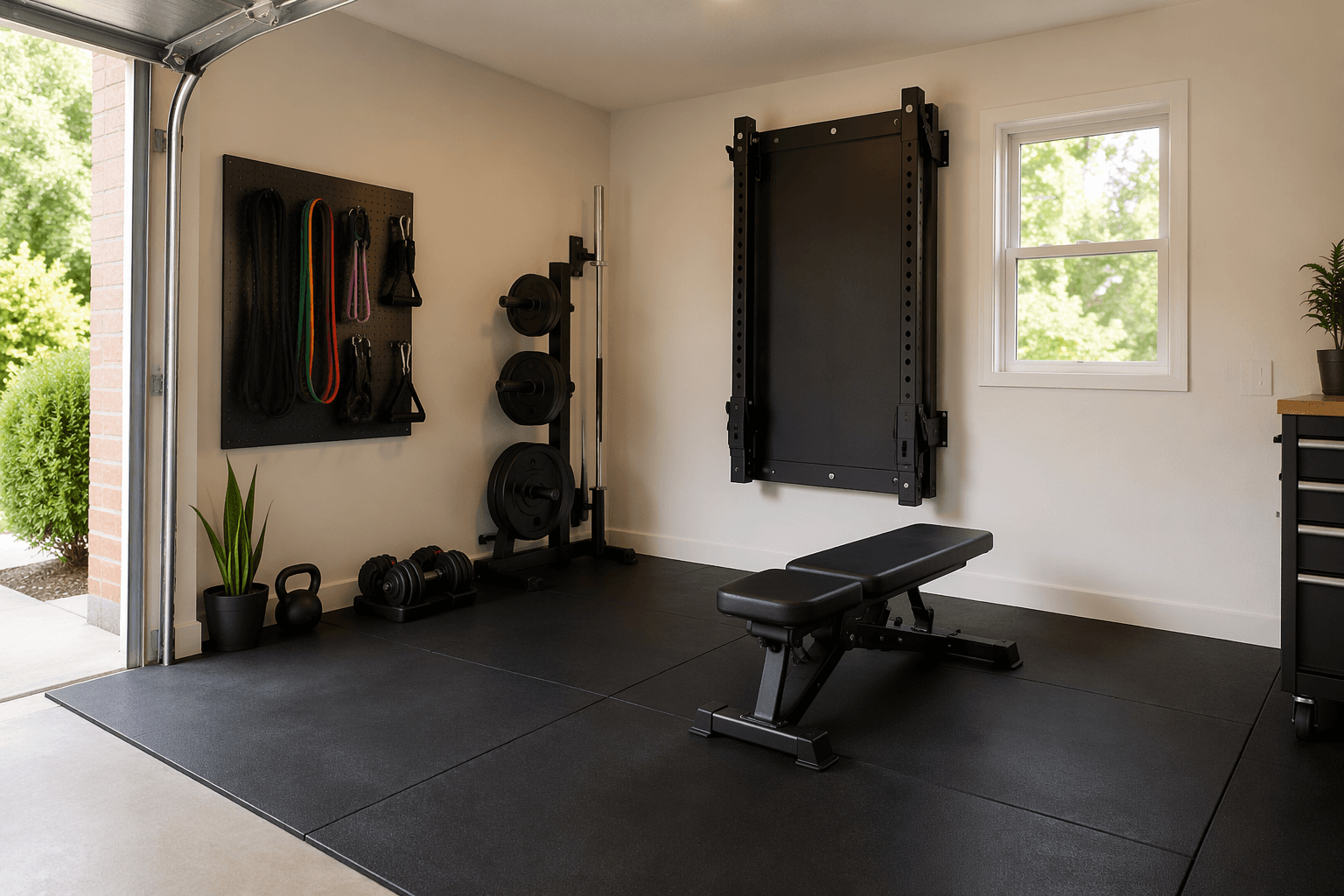
Then there’s the Bells of Steel Cable Tower 2.0 at $587. That price assumes you already own weight plates. If you’re starting from scratch, 250 lbs of plates at $1–$2 per pound adds $250–$500. Real entry cost: $837–$1,087. Still cheap, but not $587. And the pulleys are nylon—they glaze by year three and typically need replacement around year five for $50–$150. That single difference flips which machine is cheaper over the long run.
I’ve pulled together the five most commonly overlooked cost categories below. Each one changes the arithmetic enough that ignoring it produces a misleading total.
The Five Hidden Costs
Subscription lock-in: the $708 you can’t cancel
The Tonal 2’s $59/month fee comes with a 12-month minimum. That’s $708 before you have any option to walk away. Over five years the same fee totals $3,540 — more than the base price of the REP Ares 2.0. I have not seen a single other cable machine comparison add this line to the total. It should be standard.
Weight plates: the plates you don’t have
The BoS Cable Tower 2.0 costs $587. That price assumes you already own weight plates. If you are starting from scratch, 250 pounds of bumper or iron plates at roughly $1–$2 per pound adds $250–$500. The real entry cost for a new lifter is more like $837–$1,087. That is still cheap, but it is not $587.
Accessories: the $280 hole in your budget
The REP Ares 2.0 ships with a lat pulldown bar and D-handles. For most users, those two handles cover lat pulldowns and rows. They do not cover tricep pushdowns, cable crossovers, leg curls, or face pulls. A full accessory bundle from REP runs about $280. That $280 is easy to skip in the initial budget and hard to skip in year two when you realize the exercises you want to run require a rope.
Professional installation: the $200–$500 Tonal owners forget
Tonal requires professional installation. The Tonal 2 page does not list a fixed installation fee, but third-party installers and online estimates suggest $200–$500 depending on wall type and location. Smart machines mounted to studs often need this; rack-attached or standalone machines can be self-assembled. I am treating this as an educated range, not a sourced figure, but it affects the first-year total for any buyer who cannot install themselves.
Pulley replacement: the $100 tax in year five
This is the cost dimension almost no one accounts for. According to owner-survey data from Strong Home Gym, aluminum pulleys with brass bushings — used in machines like the REP Ares 2.0, REP Athena, and Body-Solid GDCC250 — remain smooth past year ten. Nylon pulleys, common on budget machines, begin to glaze by year three and typically need replacement around year five. A pulley set costs $50–$150 in parts. A $587 plate-loaded machine with nylon pulleys likely requires $50–$150 in year five. A $2,999 REP Ares with aluminum pulleys does not. That single difference flips which machine is cheaper over the long run.
| Cost Category | Smart (Tonal 2) | Selectorized (REP Ares 2.0) | Plate-Loaded (BoS Cable Tower 2.0) |
|---|---|---|---|
| Base price | $4,295 | $2,999.99 | $587.99 |
| Subscription (5 yr) | $3,540 | $0 | $0 |
| Weight plates (if not owned) | $0 | $0 | $375 ($250–$500) |
| Accessory bundle | $0 | $280 | ~$100 (basic set) |
| Professional installation | $350 (midpoint) | $0 | $0 |
| Pulley replacement (year 5) | $0 (aluminum, not needed) | $0 (aluminum) | $100 ($50–$150) |
| Total (plates not owned) | $8,185 | $3,280 | $1,163 |
| Total (plates owned) | $8,185 | $3,280 | $788 |
So which machine actually saves you money? If you already own plates and don’t mind a pulley replacement in year five, the BoS Cable Tower is still a bargain. If you’re starting from scratch, the REP Ares 2.0 ends up cheaper than the Tonal and more durable than the plate-loaded option. The $2,999 machine with no subscription and aluminum pulleys is the middle ground that wins on total cost—provided you budget for the accessories. The cheap machine at checkout is rarely the cheap machine at the end. I’ll stick by that.

Comments
Join the discussion with an anonymous comment.