
The Recovery Tool Graveyard
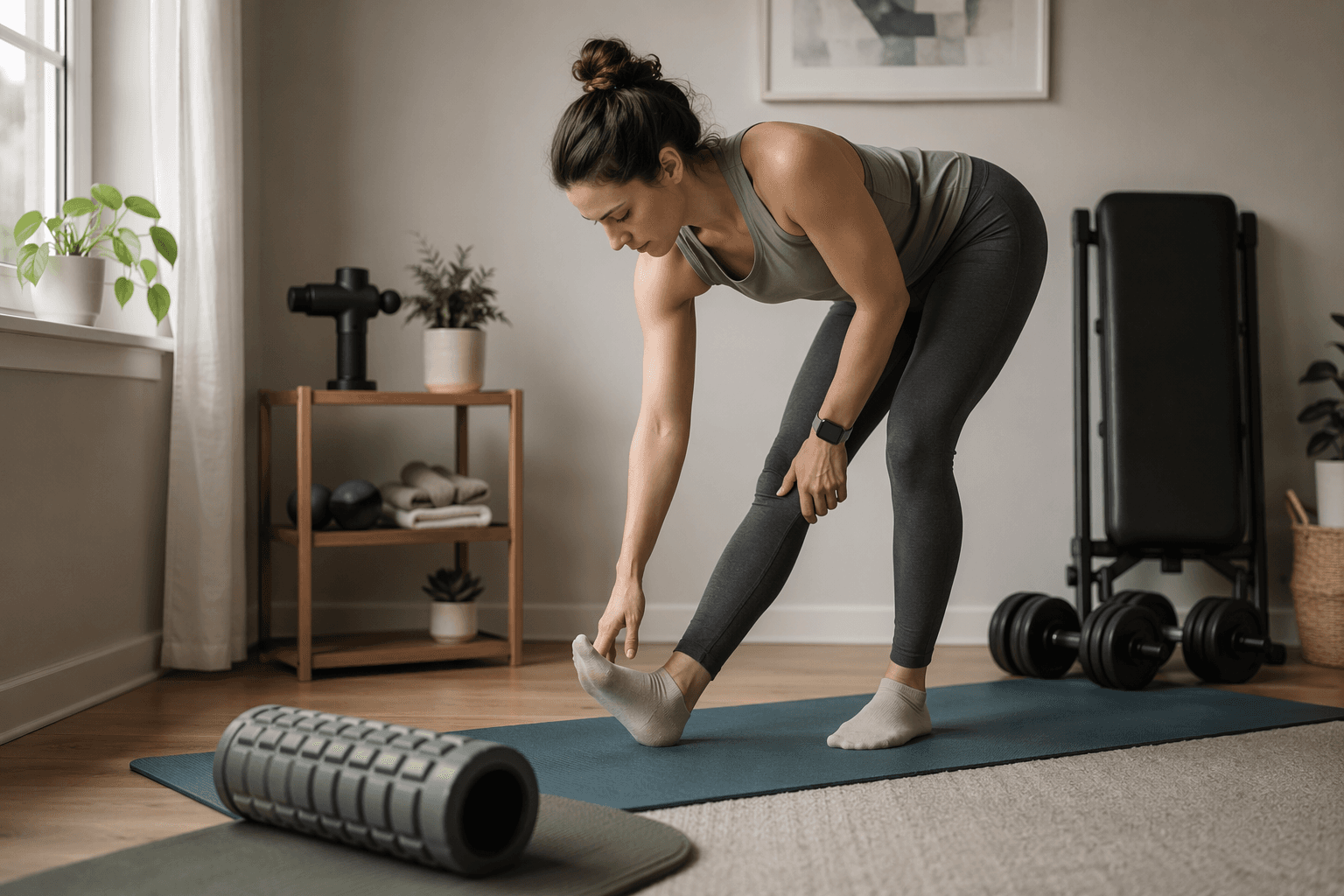
I own a massage gun I have used three times. The compression boots are still in the box from last Christmas. The foam roller? Somewhere behind the adjustable dumbbells. This is the recovery tool graveyard — a collection of gadgets bought with good intentions but no real plan for how they fit your space, your budget, or your training volume.
I have been that buyer. Impulse purchases of recovery gear feel like investing in yourself. But without a decision framework, you end up with a closet full of expensive toys and no measurable improvement in how you feel or perform. The solution is not a longer list of products — it is a structured method for matching a tool to your actual constraints.
What People Actually Spend (and Where They Put It)
Before you decide which recovery tool is worth your money, look at what the real market looks like. According to PTPioneer’s analysis of US home fitness equipment buyers, 38.6% spent under $500 on a single piece of equipment. That is the largest single spending bracket. The pro athlete setup you see in marketing imagery is not the norm — most people are budget-constrained.
If you are in the majority — under $500 to spend, and only a corner of a living room or spare bedroom to work with — you should filter out anything that requires dedicated floor space or a three-figure price tag. That alone eliminates most compression boots and every cold plunge on the market.
What the Evidence Actually Says
Here is where the hype runs ahead of the evidence. The Cleveland Clinic recommends five to ten minutes of stretching during cool-down and active rest between intense training days. That is it. No mention of vibrating foam rollers, pneumatic compression, or infrared light. The most effective recovery interventions are also the cheapest.
The American College of Sports Medicine reports that more than 70% of wearable users apply output data to inform exercise or recovery strategies. That shows interest, not efficacy. People are looking for signals to guide their recovery, but the tools they buy in response to that data often lack solid evidence.
A foam roller and a lacrosse ball cover most recovery needs. The evidence for a $200 massage gun is mixed; for a $1,000 compression boot, it is thin. Do not let the price tag fool you into thinking expensive equals effective.
Match the Tool to Your Budget, Space, and Training Volume
This is where the decision framework lives. Use the table below to place yourself on three axes: how much you can spend, how much room you have, and how often you train at high intensity. The row that matches your situation gives you a shortlist of tools worth considering.
| Budget Tier | Space Tier | Training Volume | Recommended Tools | Approx. Price | Evidence Level |
|---|---|---|---|---|---|
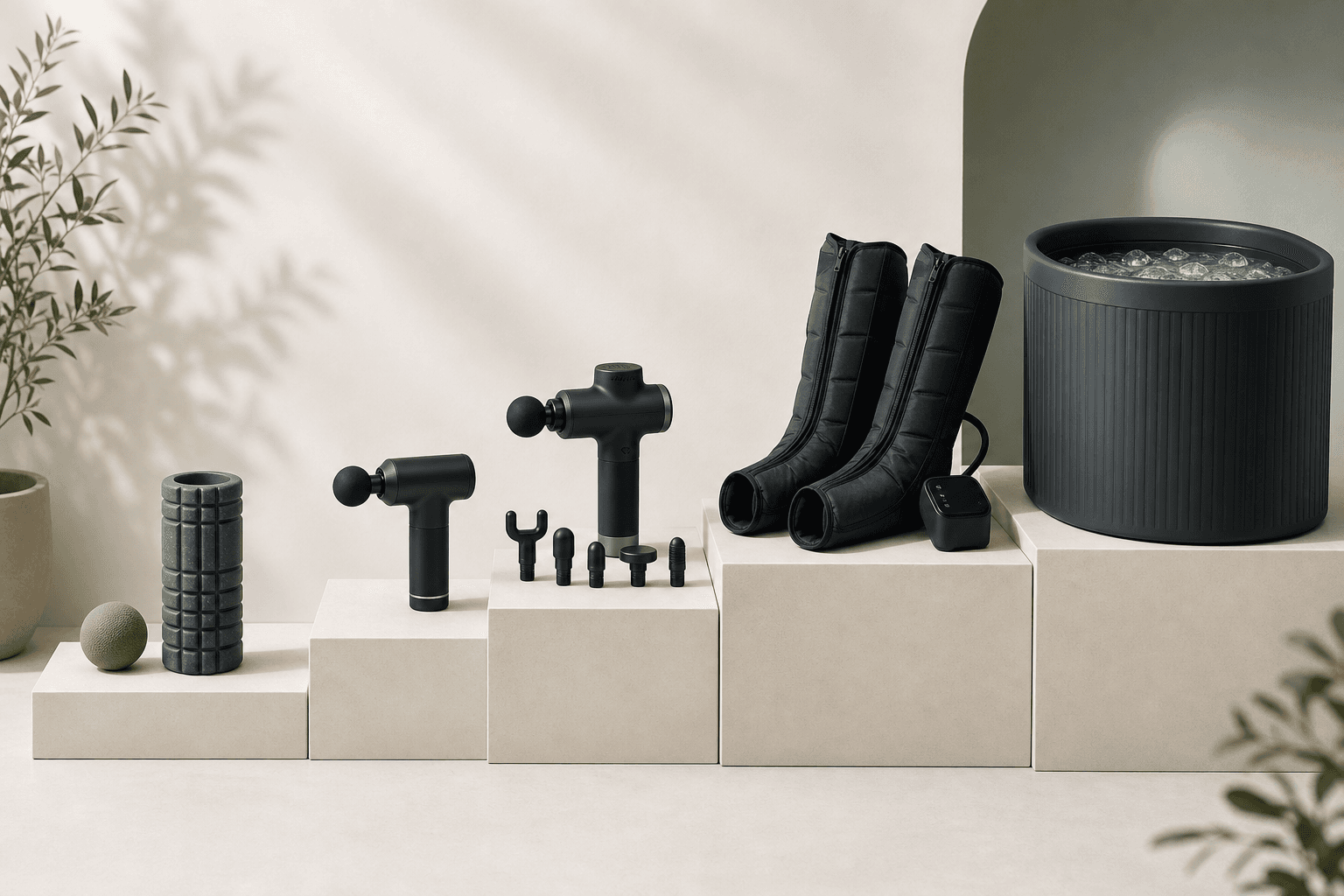
| Under $50 | None (stash in drawer) | Low (1-2 sessions/wk) | Lacrosse ball, basic foam roller (TriggerPoint GRID 1.0) | $10–$35 | Strong (Cleveland Clinic stretching, active rest) |
| $50–$200 | Corner of living room | Medium (3-4 sessions/wk) | Mid-range foam roller, massage gun (Theragun Mini $199, Hypervolt 2 $199) | $50–$200 | Moderate for massage guns; strong for foam roller |
| $200–$500 | Corner or small mat area | High (5+ sessions/wk) | Higher-end massage gun, muscle stimulator (PowerDot 2.0 Duo $349) | $200–$500 | Mixed – some studies on EMS; limited for massage guns |
| $500–$1,500 | Dedicated corner or spare room | High (5+ sessions/wk) | Compression boots (Therabody JetBoots Pro Plus $999) | $500–$1,500 | Limited – mostly anecdotal; some blood flow studies |
| $1,500+ | Dedicated gym or garage | Very high (6-7 sessions/wk) | Cold plunge (Plunge All-In ~$7,990) | $1,500–$8,000 | Weak – emerging; requires significant space and volume |
Note that conventional (non-smart) equipment held 73.3% of the home gym market share in 2025 (GM Insights). Most buyers are still opting for simple, non-digital tools. That aligns with the evidence: the cheapest options often provide the most reliable benefits.
Market size estimates vary: Fortune Business Insights puts the home fitness equipment market at $12.88B in 2025, while GM Insights says $12.4B. The difference is methodological — both agree the market is growing 5–7% annually. The key takeaway: recovery gear is a tiny slice, and most of it is conventional, not high-tech.
What Your Wearable Data Is Actually Telling You
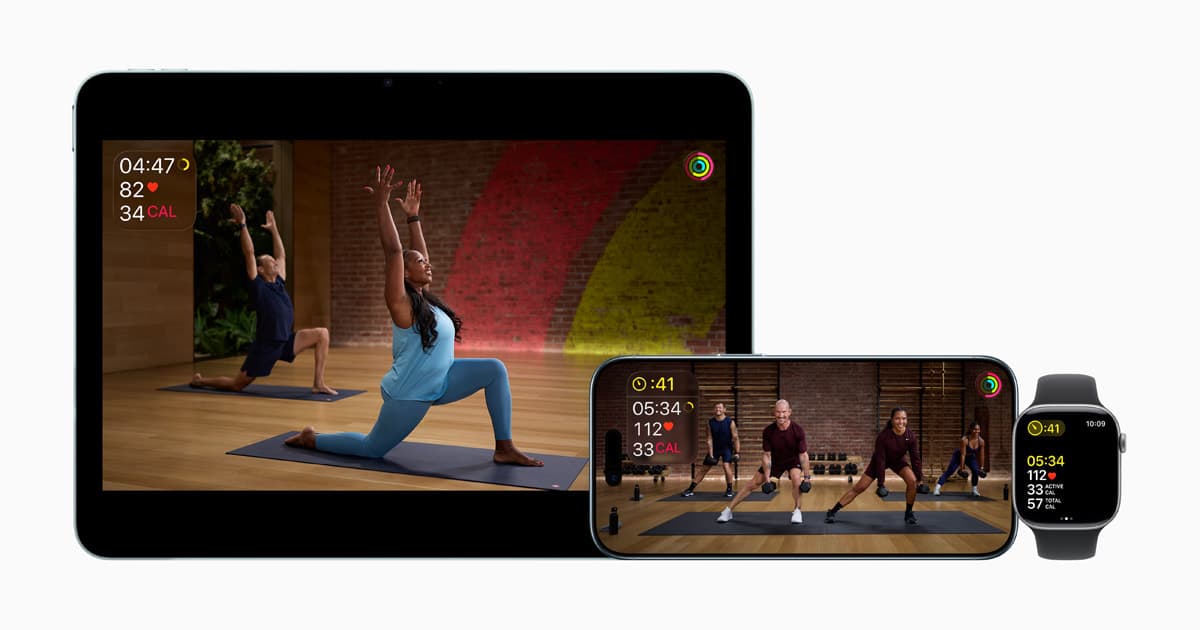
If you already own a fitness tracker or are considering one, your data can guide your recovery tool purchases — but only if you interpret it correctly. Wearable technology ranks #1 in ACSM's 2026 fitness trends, and data-driven training ranks #8. That signals strong adoption, not that more data leads to better recovery.
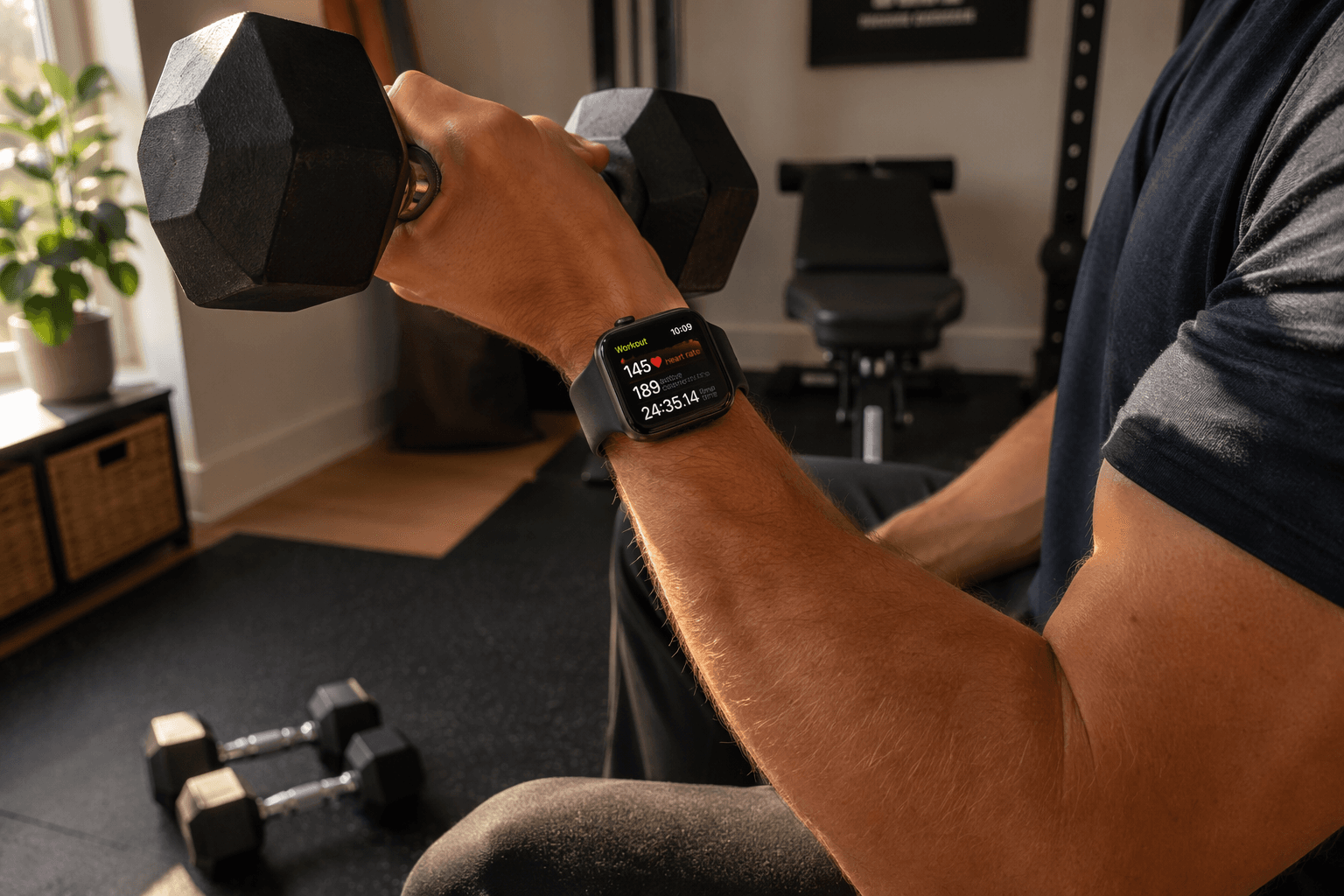
Here is how to use the data practically: if your Whoop recovery score or Oura readiness score is chronically low despite adequate sleep and nutrition, you may need more active recovery — foam rolling, stretching, or a low-impact session. But that does not require a $1,000 compression boot. Start with the free stuff. If you are a high-volume athlete and the data shows that simple methods are not enough, then consider upgrading.
For a broader comparison of devices that track recovery metrics — including GPS, HRV, and sleep — see our guide to the best fitness trackers for home gym users. It covers which devices actually provide actionable recovery data without the subscription lock-in.
The Cold Plunge: When Is It Actually Worth It?
The cold plunge is the poster child for aspirational recovery spending. At roughly $8,000 (Plunge All-In), requiring dedicated floor space and plumbing, it is the ultimate test of the framework. Here is my blunt answer: unless you train at very high volume (5+ sessions per week), already have a dedicated recovery space, and can spend over $1,500 without hesitation, skip it.
The Cleveland Clinic emphasizes active rest — light activity between intense training days — which costs nothing. The JOMO movement (Joy of Missing Out) in fitness culture reinforces that rest does not require a gadget. Cold plunge has some emerging evidence for reducing inflammation, but it is not a necessity for the vast majority of home exercisers, and the space constraint alone eliminates it for the 20% of buyers who already say they lack room.
My Rule: Start Cheap, Upgrade Only When the Data Forces You
Here is the entire framework boiled down: for 90% of home exercisers, a foam roller and a lacrosse ball — total cost $35 to $50 — plus five minutes of consistent stretching after each workout and active rest on off days, cover your recovery needs. Only if your wearable data shows chronic low recovery readings week after week, and you are training at high volume, should you consider stepping up to a massage gun, muscle stimulator, or compression boots. Even then, start at the cheapest rung of the relevant tier.
The 38.6% of buyers who spent under $500 on equipment are living proof that you do not need a lot of gear to train well — or to recover well. The real recovery tool is a structured approach, not a credit card.
Comments
Join the discussion with an anonymous comment.