
Is the Whoop Subscription Worth It for Home Fitness? A 2026 Cost-Benefit Analysis
This cost-benefit analysis examines whether the Whoop subscription ($199–$359/year) is worth it for home fitness enthusiasts, comparing total cost of ownership over 1–3 years against alternatives like Fitbit Air, Amazfit Helio, Oura Ring, and Apple Watch. It includes a 'data responder' self-assessment test to help you decide if you'll actually use the recovery data.
You cannot sell a used Whoop.
The band becomes a paperweight the moment you stop paying. The new owner must also subscribe, so there is no resale market. That fact belongs at the top of any cost calculation, but most articles bury it. I will not.
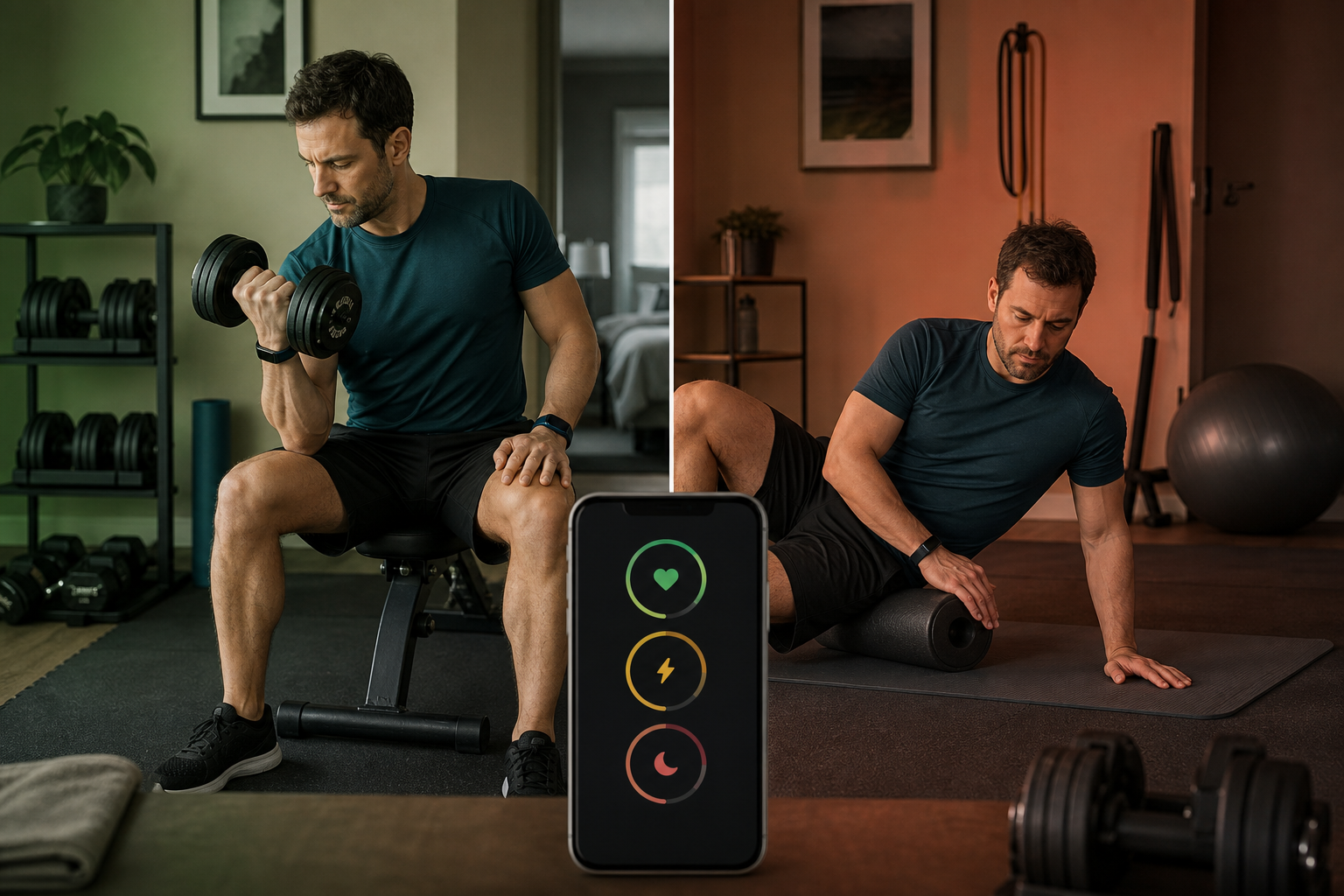
Whoop tiers: Whoop One at $199 per year (basic charger, likely a refurbished Whoop 4.0), Whoop Peak at $239 per year (wireless charger, Healthspan, stress monitor), and Whoop Life at $359 per year (adds ECG and blood pressure insights via the Whoop MG). The company generated $540 million in revenue in 2023 from subscriptions. Whoop's business model depends on you never stopping. That means the device has no value without a subscription — the band is a token, nothing more.
What $239 Actually Gets You
For $239 (Peak tier), you get 24/7 tracking: Recovery, Strain, Sleep scores, an AI Coach with memory, Healthspan, Strength Trainer with set logging, journal correlations, Strava integration, and 14+ days of battery life. The screenless band is comfortable to wear 24/7, and I respect the hardware design. But here is what you do not get: no screen, so you need your phone to see scores in real time. No built-in GPS — bring your phone for outdoor runs. Step tracking was only added late 2024. ECG and blood pressure are locked behind the $359 Life tier. For basic metrics like steps or a quick pulse check, a $30 fitness band does it better and faster.
The missing screen matters most for home fitness. You cannot glance at your recovery score while setting up for a workout. You pull out your phone, open the app, wait for it to sync. It sounds small, but after two weeks the friction kills the daily check-in habit. I have seen it happen.
The 7× Gap: $717 vs. $99.95
Here is the math that crushes the marketing pitch. Whoop Peak over three years costs $717. The new Fitbit Air, launched May 2026, costs $99.95 one-time — no mandatory subscription. Over three years, that is a 7× difference.
| Device | Upfront | Annual Fee | 3-Year Total |
|---|---|---|---|
| Whoop Peak | $0 (band included) | $239 | $717 |
| Fitbit Air | $99.95 | $0 | $99.95 |
| Amazfit Helio Strap | ~$150 | $0 | $150 |
| Oura Ring 4 | $349 | $69.99 | $563 |
| Apple Watch SE | $249 | $0–$25 (apps) | $249–$324 |
| Garmin Venu 3 | $450 | $0* | $450 |
The Oura Ring 4, which also charges a subscription, still comes out cheaper: $563. The Amazfit Helio and Fitbit Air have no subscription at all. If you train at home three or four days a week, ask yourself whether the recovery insight is worth $600 more than a Fitbit Air that tracks HRV, sleep, and activity without a recurring bill. For most, the answer is no. For a fuller comparison, see our Screenless Fitness Tracker Buyer's Guide 2026 and the Fitness Tracker Total Cost of Ownership 2026.
The 58% Recovery Reality
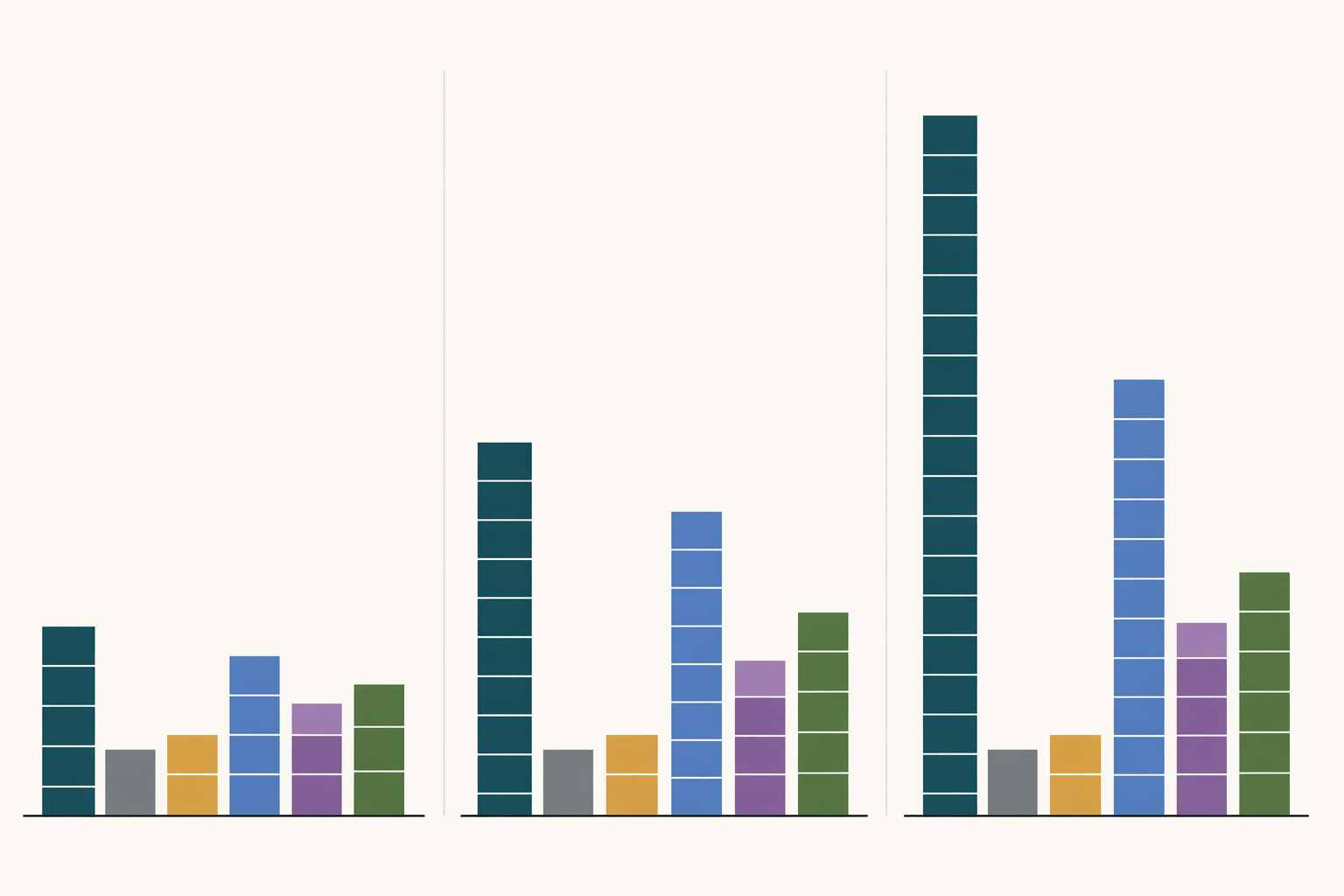
I need you to understand this before you imagine yourself waking up to green scores every morning. The average nightly recovery for WHOOP members is 58%. That means yellow most days. By design. Whoop calibrates the Recovery score so that green is a genuine outlier — something you earn through unusually good sleep and recovery. Most days you are in yellow. That is normal.
The catch: if you are a casual user who does not understand the calibration, seeing yellow every morning feels like failure. You stop checking. The band becomes a wrist ornament. The subscription keeps billing. I have watched this play out. Whoop's stickiness is high for serious athletes and lower for everyone else. The 58% figure is the single most important context for your decision.
Are You a Data Responder?
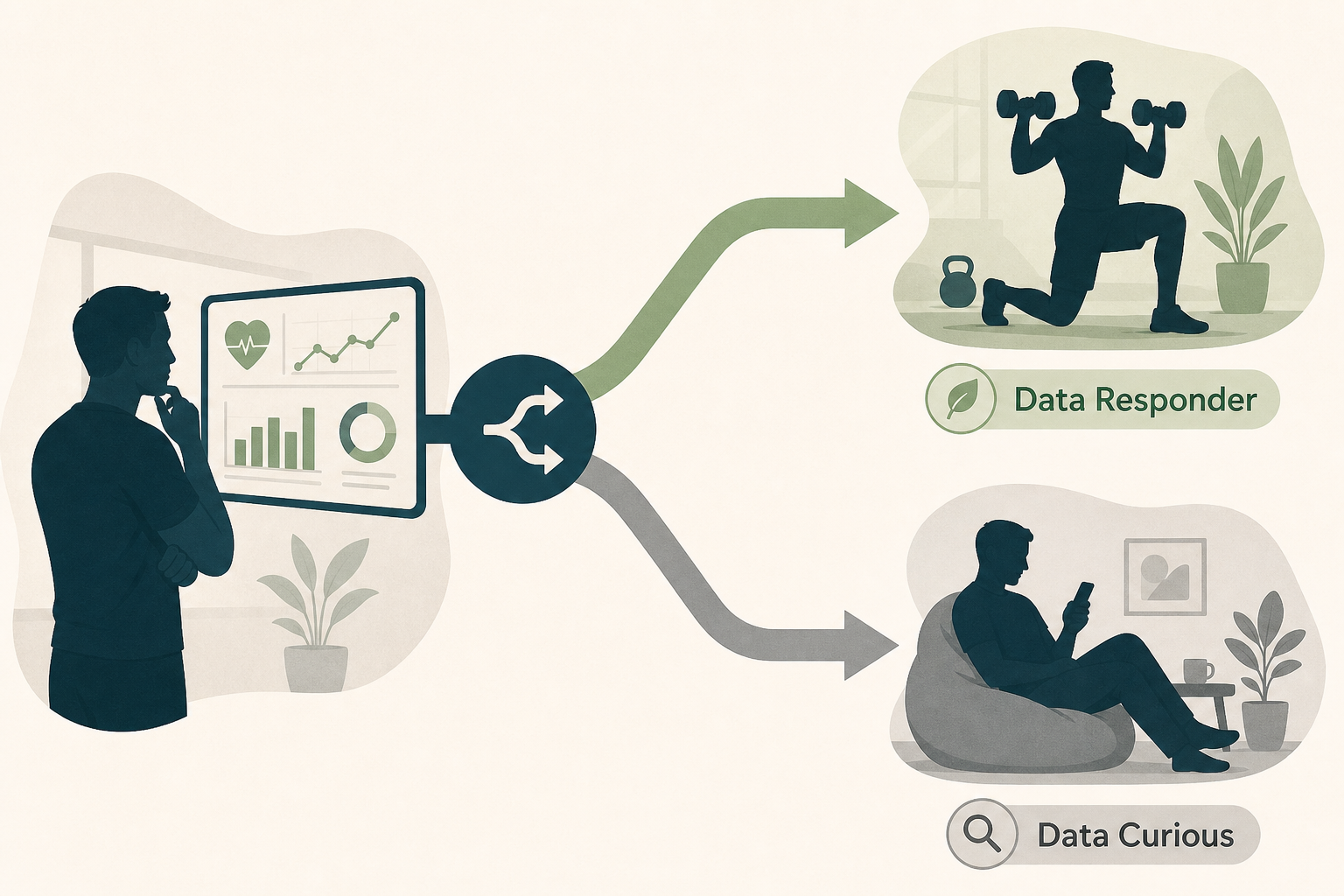
The decision comes down to one question: do you actually change your behavior based on wearable data? I call this being a data responder. Many people are data curious — they like looking at numbers but do not adjust training intensity, sleep timing, or nutrition in response. For the data curious, Whoop is an expensive curiosity.
Ask yourself these four questions. Answer honestly, not how you wish you would behave.
- Have you ever changed your workout intensity the next day based on a recovery score or HRV reading from any device?
- Do you sleep on a consistent schedule and journal your daily habits (caffeine, alcohol, meal timing) at least three times per week?
- Do you train at least four days per week with a structured plan, not just random sessions?
- Have you used a wearable's data to influence a real decision — skipping a hard workout, going to bed earlier, or adjusting your caffeine cutoff?
If you answered yes to three or four, you are a data responder. Whoop might be worth it because you will actually use the Recovery score to inform your training. If you answered yes to one or two, you are data curious. Start with a cheaper alternative. The 58% yellow days will not demoralize you when you are paying $99.95 instead of $717.
For a deeper look at recovery metrics, see our Best Fitness Tracker for Recovery: A Metric-by-Metric Buying Guide.
When the Subscription Pays Off
I give credit where it is due. Whoop's free hardware upgrade is a real benefit. Existing members with at least six months remaining on a subscription receive the next-generation band at no extra cost. If you plan to stay for four or more years, and if you would otherwise replace a Garmin or Apple Watch every two to three years, the subscription becomes more competitive.
Consider a Garmin Venu 3 at $450. It lasts roughly three years before battery degradation or new features tempt you to upgrade. Over six years that is $900 plus any future Connect+ subscription. Whoop Peak over six years at $239 per year totals $1,434 — but you get a new band every cycle with no hardware cost. The gap narrows. For a dedicated athlete who wants the purest recovery tracking and plans to stay subscribed for years, Whoop becomes defensible.
But that long-term case breaks for most home fitness practitioners. The average user does not keep a subscription for four years. The Fitbit Air is a screenless band just like Whoop, tracks HRV and sleep, costs $99.95, and gives you 80% of the insight at 20% of the cost. And it works without a phone nearby for GPS — a feature Whoop lacks.
Who Should Buy Whoop?
Buy Whoop only if you are a committed data responder training at least four days per week and willing to journal daily. For everyone else, start with the Fitbit Air or an Apple Watch SE with free recovery apps. You will save $600 or more over three years and still get the core metrics — HRV, sleep stages, resting heart rate — that drive the most important recovery decisions. Our Screenless Fitness Tracker vs. Smartwatch: Which Is Right for Your Home Fitness Setup? and Oura Ring as a Fitness Tracker review cover the alternatives in detail.
I started by saying you cannot sell a used Whoop. That remains the most important number in this analysis. The subscription is not an annual fee — it is a recurring cost with no exit value. Before you commit, ask yourself the four questions above. The answer will save you $717 or buy you the right tool.
This is general fitness education, not medical advice. For diagnosis or treatment of pain or injury, consult a qualified clinician.
Pick your next session
Browse all routines to find an appropriately-spaced next session.
Spot something off?
This content sits adjacent to health guidance — tell us if a citation or figure needs a correction.