
Oura Ring as a Fitness Tracker: Where It Excels, Where It Falls Short, and Who Should Buy It
This honest assessment helps fitness tracker shoppers understand why the Oura Ring is best for sleep and recovery, not real-time workouts, so they can decide if it fits their needs before buying.
You Searched for a Fitness Tracker. That’s the Problem.
You landed here because you typed “oura ring fitness tracker” into a search bar. Oura wants you to do that. The company markets the ring alongside Garmin, Apple, and Whoop. But the device you get does not behave like those during a workout. It cannot show you heart rate zones in real time. It has no GPS. It does not tell you when your heart rate spikes during an interval. It logs your workout after you finish, and only if you remember to start a session in the app or rely on auto-detection that often misses the beginning.
Forbes Vetted stated: "Oura Ring 4's activity tracking is its weakest feature — it didn’t spit out accurate insights moment by moment." That is not a bug. It is a physical limitation. A ring on your finger cannot fit the sensors and battery that a wrist device can. The optical heart rate sensor becomes less stable during movement. There is no room for a GPS antenna. The result is a device that is excellent at what it was actually designed for — sleep, recovery, and long-term wellness — but falls short as a workout companion.
This article draws that line clearly. If you need a device that tracks sets, reps, real-time heart rate, and running routes, Oura is not that device. If you want the best sleep and recovery data on the market and can accept a post-hoc workout summary, Oura may be exactly right.
Where Oura Genuinely Shines (It’s Not the Gym)
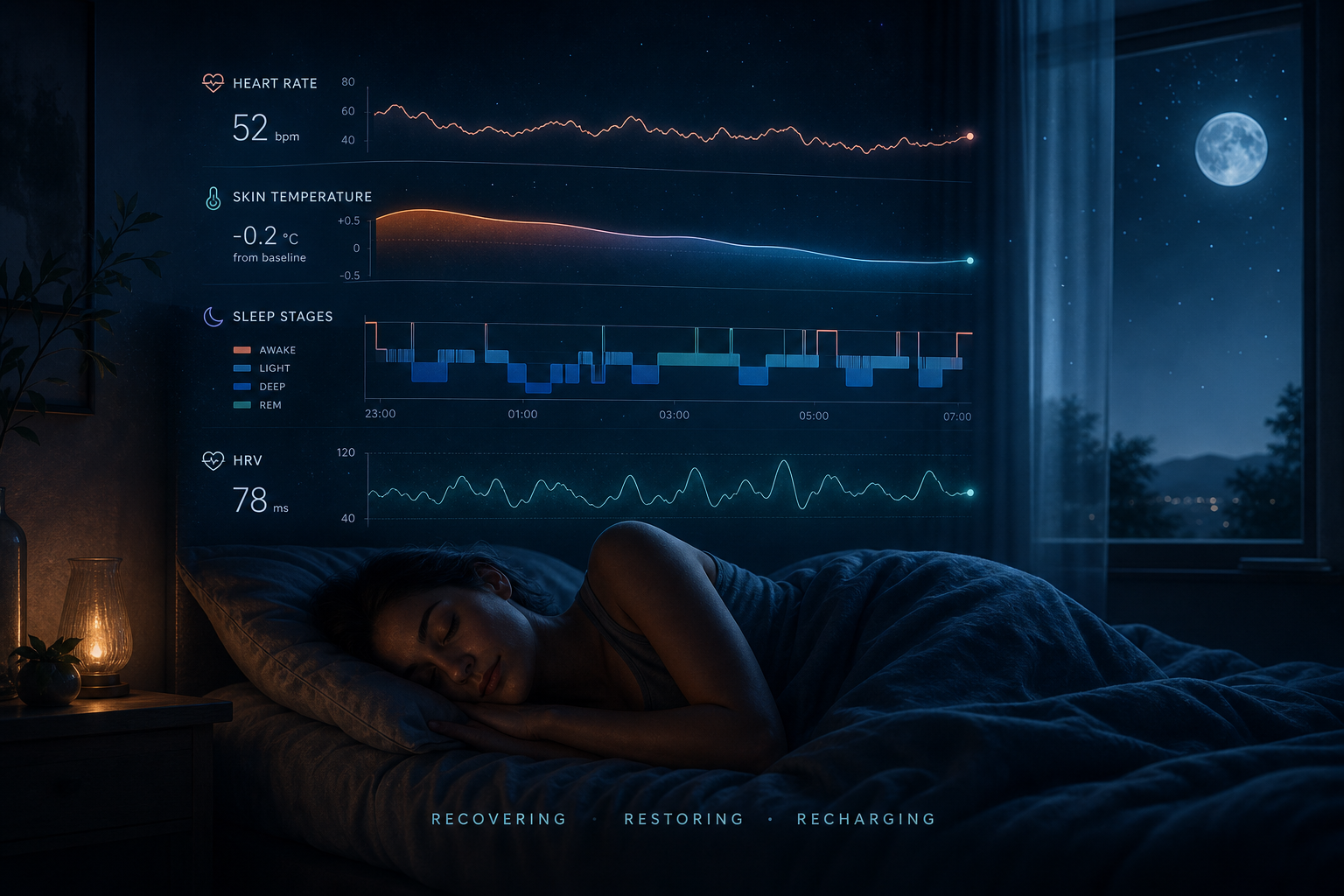
Oura’s sleep tracking is the best I have tested from a consumer wearable. A peer-reviewed study from the University of Tokyo, published in Sleep Medicine in 2024, tested the Gen 3 ring against polysomnography — the clinical gold standard. Agreement ranged from 75.5% for light sleep to 90.6% for REM sleep. Oura says the same algorithms carry forward to Gen 4. Even with that caveat, those numbers are higher than what Apple Watch or Whoop typically achieve in independent tests. The ring also hit 94.4–94.5% sensitivity and 94.8% inter-device reliability for two-stage sleep classification. That consistency matters if you track trends over months.
Beyond sleep, Oura tracks HRV, skin temperature, and respiratory rate continuously. The Readiness Score combines sleep, activity, and HRV into a single number that tells you whether your body is recovered or needs rest. I have found this more useful than any single biometric because it flags when I should back off training before I feel run down. The Symptom Radar feature is genuinely unique — it alerted a Wirecutter tester to "major signs of something straining" their body hours before cold symptoms appeared. A doctor at VeryWell Health experienced the same: Oura flagged elevated biometrics 24–48 hours before a positive COVID-19 test.
These capabilities make Oura an outstanding wellness tracker. They do not make it a fitness tracker. Most disappointed buyers confuse those two categories.
For more on how Oura measures recovery, see our guide on Oura’s recovery tracking.
What You Actually Give Up During Workouts
Here is the short version of what Oura cannot do while you exercise:
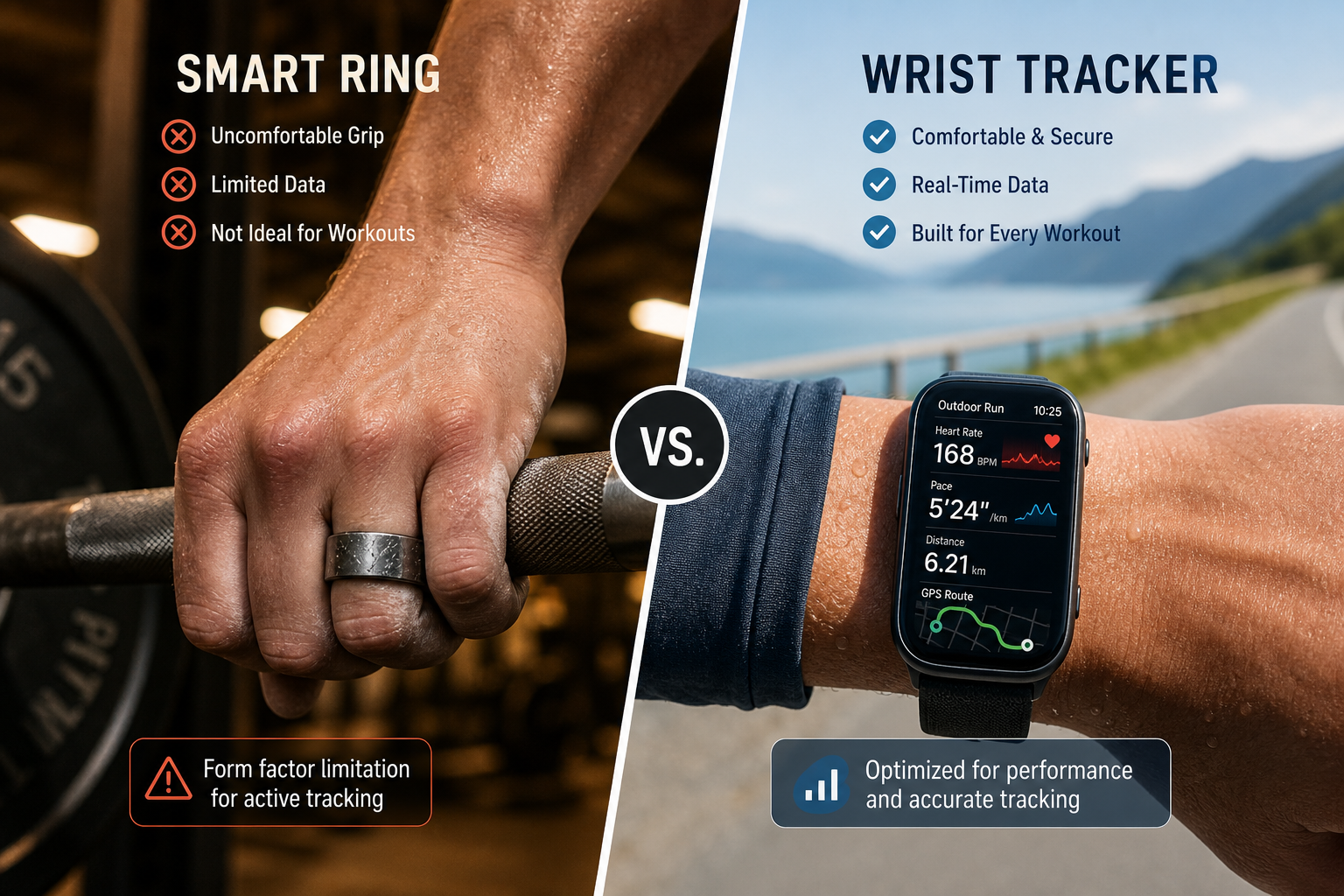
- No live heart rate zones. You cannot glance at anything and see whether you are in Zone 2 or Zone 5. The ring only shows heart rate after the workout ends.
- No GPS. Oura has none. It can use your phone’s GPS if you carry it, but that drains both batteries and the data is not on the ring itself.
- No real-time pace or distance. During a run or cycle, you get nothing until you stop and sync.
- Auto-detection is inconsistent. The ring may record a walk or run after the fact, but often misses the start and never captures structured intervals.
- Strength training discomfort. Multiple reviewers — including Forbes and the Sleep Foundation — report scratches from barbells and discomfort during pullups, rows, and any grip-intensive movement. The Sleep Foundation stopped wearing theirs for hand-centric workouts. Forbes says they removed it for heavier lifts.
The core problem: Oura treats workouts as events to be logged after they happen, not as real-time activities to guide. If you use heart rate zones to pace an interval session or check pace mid-run, Oura will frustrate you. It gives you a summary — not a dashboard.
For a practical look at how these limitations affect home gym users, read Is the Oura Ring Worth It for Home Gym Users?.
How It Stacks Up Against Real Fitness Trackers
The table below makes the gap obvious. Look at the GPS and real-time HR zones rows for Oura.
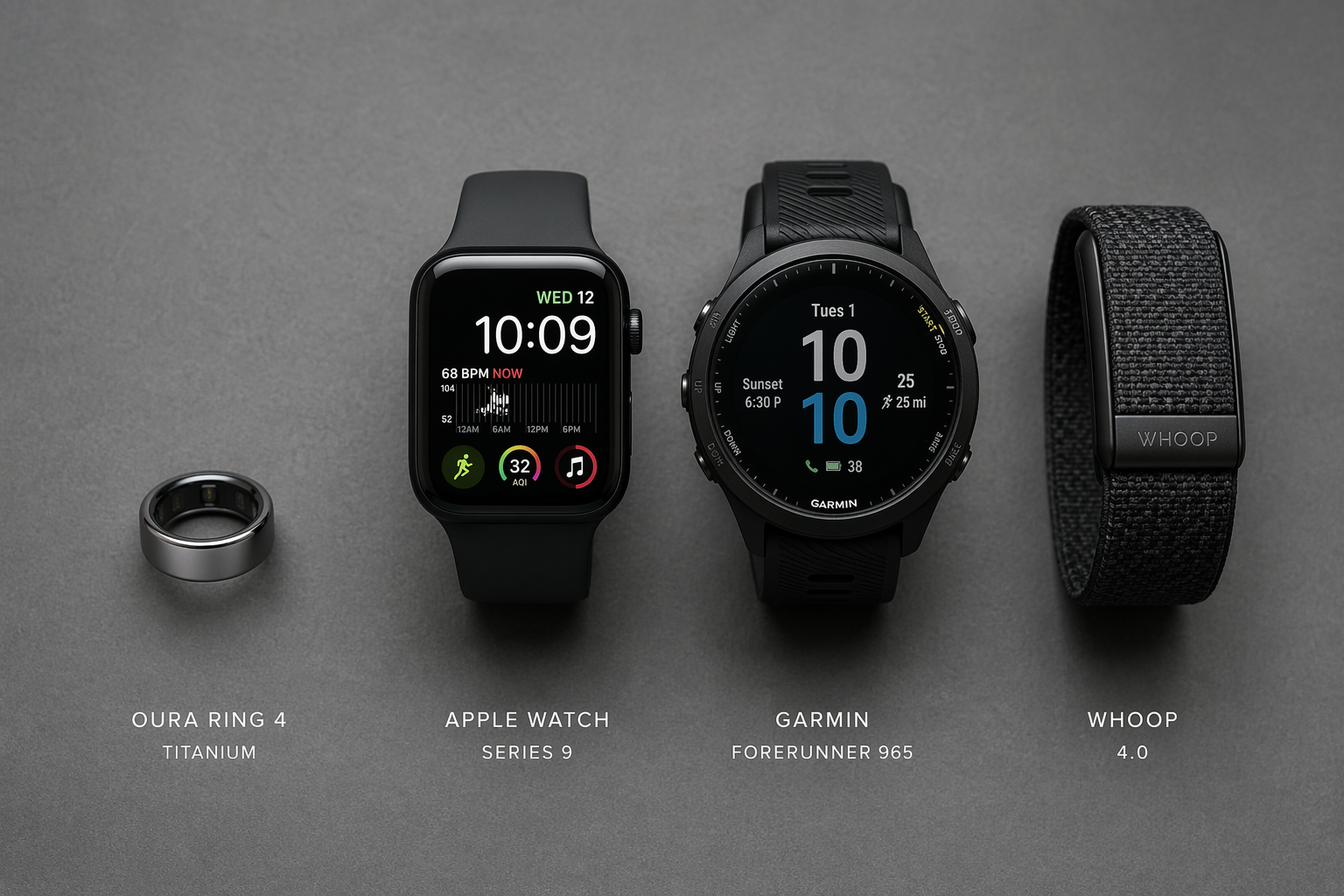
| Feature | Oura Ring 4 | Apple Watch Series 10 | Whoop 5.0 | Garmin Forerunner 265 |
|---|---|---|---|---|
| GPS | No | Yes | No (uses phone) | Yes (GNSS) |
| Real-time HR zones | No | Yes | No (post-hoc) | Yes |
| Workout auto-detect | Limited | Yes | Yes | Yes |
| Strength training support | Basic post-hoc | Manual via app | Manual | Full with rep counting |
| Sleep tracking quality | Excellent | Good | Very good | Good |
| Subscription required | $69.99/year | No | $239/year | No |
| Battery life | 8 days | 18 hours | 5 days | 13 days |
| Upfront price | $349–$499 | $399 | $0 (hardware included in sub) | $349 |
Oura trades real-time data for long battery life and sleep accuracy. That is a valid trade-off for some users, but it is not what most people expect when they search for a fitness tracker. For a broader comparison, see our ecosystem comparison of Garmin vs. Whoop vs. Oura.
The Real Price of Wearing Oura
The upfront cost is $349 to $499 depending on finish. That already matches an Apple Watch ($399) or a Garmin Forerunner ($349). Then there is the subscription: $69.99 per year — about $6 a month. Without it, the ring shows you headline scores like Readiness and Sleep Score but hides sleep stages, HRV, temperature trends, cycle insights, and all personalized recommendations. You are effectively buying a $350 device that requires a recurring payment to do its main job.
If recovery tracking is your priority, the subscription may be worth it. But don’t let the $5.99/month figure fool you. Over two years, Oura costs $483–$633, while an Apple Watch still costs $399 total. The lock-in is real. Oura CEO Tom Hale told Fortune the fee funds ongoing innovation, but the bottom line is that you pay more over time for a device that does less during workouts.
For a side-by-side look at recovery features and subscription costs, see which smart watch actually tracks recovery well.
Who Actually Needs This Ring?
I often recommend Oura to runners who already have a Garmin and want better sleep data. Or to people recovering from an illness who need a daily readiness signal. I rarely recommend it as a sole device to someone who lifts three times a week and doesn’t care about sleep stages.
- Buy Oura if your primary concern is sleep, recovery, or illness detection. You accept that workout tracking is retroactive — or you already own a watch for workouts and want Oura for nights and rest days.
- Buy Apple Watch or Garmin if you care about real-time workout metrics. The Apple Watch gives you live heart rate zones, GPS, and pace on your wrist with no subscription. Garmin offers the same plus longer battery life and sport-specific features.
- Consider Whoop if you want recovery tracking without a screen and prefer a subscription model. Whoop has no upfront cost but costs $239/year — more than Oura’s subscription. Its strength is strain and recovery coaching, but it has no GPS either.
- Two-device strategy works: wear Oura at night and a smart watch during workouts. This is common among serious athletes, but it doubles your cost and adds charging overhead. If that sounds appealing, see why the best fitness band setup is two devices.
For readers considering screenless alternatives, our buyer's guide for screenless fitness trackers in 2026 covers Whoop and other smart rings without subscriptions.
Oura Ring 5: Same Limitations, New Shell
Oura announced the Ring 5 in June 2026 at $400, with a 40% slimmer profile, redesigned sensors, IP68 water resistance, and 6–9 days of battery. Pre-orders started June 4, and units may be shipping now. The design improvements are real — the first generation was bulky for some fingers.
But the core limitations remain. The Ring 5 still has no GPS, no real-time heart rate zones during workouts, and no evidence that it solves the strength training discomfort. A slimmer ring still cannot fit the sensors a wrist device can. Until Oura adds on-board GPS or a way to display live metrics during exercise, it will stay a recovery tracker disguised as a fitness device.
Wirecutter’s write-up notes the design improvements but does not claim any workout tracking upgrades. I will reserve judgment until independent teardowns confirm whether the new sensors improve real-time HR accuracy. For now, the Ring 5 is a better Oura Ring, not a different product.
If you are comparing accuracy across devices, our 2026 fitness tracker accuracy report tracks which sensors get it right and which still need improvement.
This result comes from one real apartment under the stated conditions — it is a strong signal, not a guarantee your space will measure identically.
Builds this evidence supports
No build currently links to this specific test. Browse all builds with a matching tag.
Spot something off?
If this result didn't match your own space, let us know — floor-damage and noise claims carry real deposit-risk consequences if we get them wrong.