
Why your running watch is wrong for your home gym
I used to think any top-rated fitness tracker would do the job. Slap an Apple Watch on my wrist, open the Workout app, and get solid data from my deadlifts and treadmill intervals. The first few sets looked plausible. Then I looked at the heart rate graph after a heavy set of squats: a flat line hovering around 120 bpm, with a single spike two minutes after I finished. I knew I was breathing hard at rep eight, but the watch saw nothing.
That experience is not unique. A 2017 ACC study found that optical wrist-based heart rate monitors have an error range of +/-34 bpm to +/-15 bpm during exercise. Steady-state running on flat ground? The error tightens. Barbell complexes, kettlebell swings, or short rest intervals between heavy sets? The sensor loses the pulse in the noise of muscle contraction and wrist movement. The +/-34 bpm range is from a study that tested treadmill, elliptical, and bike. Weightlifting wasn't in the protocol, but the mechanism — motion artifact and blood flow changes — applies even more aggressively to resistance training.
What happens when you lift
The problem isn't a single brand. All wrist-based optical sensors measure blood volume changes by shining light through the skin. During a heavy set, your forearm muscles contract, the wrist bends, and blood flow shifts. The sensor is fighting a moving target. The ACC study's comparison with a chest strap makes the gap visible: the chest strap matched an EKG with a correlation coefficient of rc=0.996. No wrist monitor came close.
Does that mean you should ditch wrist trackers for home gym use? Not necessarily. It means you need to pick one that handles the blind spot better — either through better sensor placement, clever algorithms, or features that don't rely solely on HR during the rep.
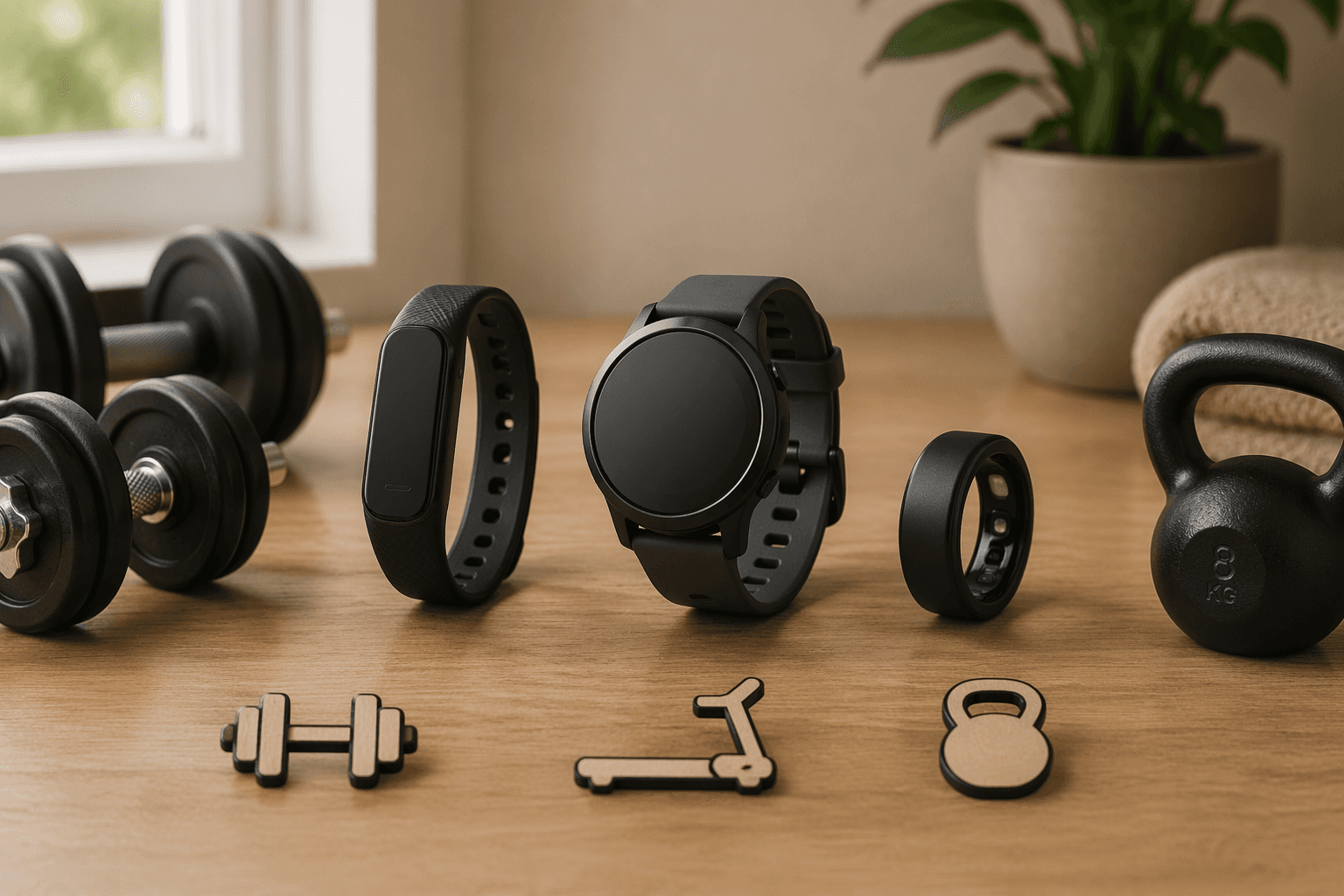
Trackers that actually handle lifting
Forbes Vetted recently put several trackers through a structured weightlifting test, comparing their heart rate readings against a Polar H10 chest strap control. The Garmin Venu 3 came out on top — it was the most accurate tracker for heart rate during resistance training out of the group tested.
More importantly, the Venu 3 lets you create custom workouts in the Garmin Connect app and load them directly onto the watch, including sets, reps, and exact exercises. That means you can program your entire session — bench press 4x8, rest 90 seconds, dumbbell row 3x12 — and the watch counts each rep and starts the rest timer automatically. You don't have to tap the screen between sets.
Important caveat: the Forbes testing involved a single tester and specific workouts. It's strong directional evidence, not a universal proof that the Venu 3 outperforms every other watch in every lifting scenario. I'd treat it as the best data we have right now, and it earns the Venu 3 the top spot for strength-first users.
Garmin's Forerunner series also deserves attention. The Forerunner 165 offers automatic rep counting and the ability to port workouts from Garmin Connect, per Wareable. The Forerunner 265 likely has similar features, though independent confirmation for that model is still thin. If you lean toward running but lift on the side, the Forerunner might be a better do-it-all pick than the Venu 3.
When your tracker talks to the machine
If you own a Peloton bike or a NordicTrack treadmill, a tracker that can broadcast heart rate directly to the machine is a serious convenience. You no longer need to strap on a separate chest strap for every ride or run. The Fitbit Charge 6 stands out here: it connects to compatible gym equipment for heart rate broadcasting. Both The Verge and WIRED confirm the feature works with Peloton bikes and NordicTrack treadmills.
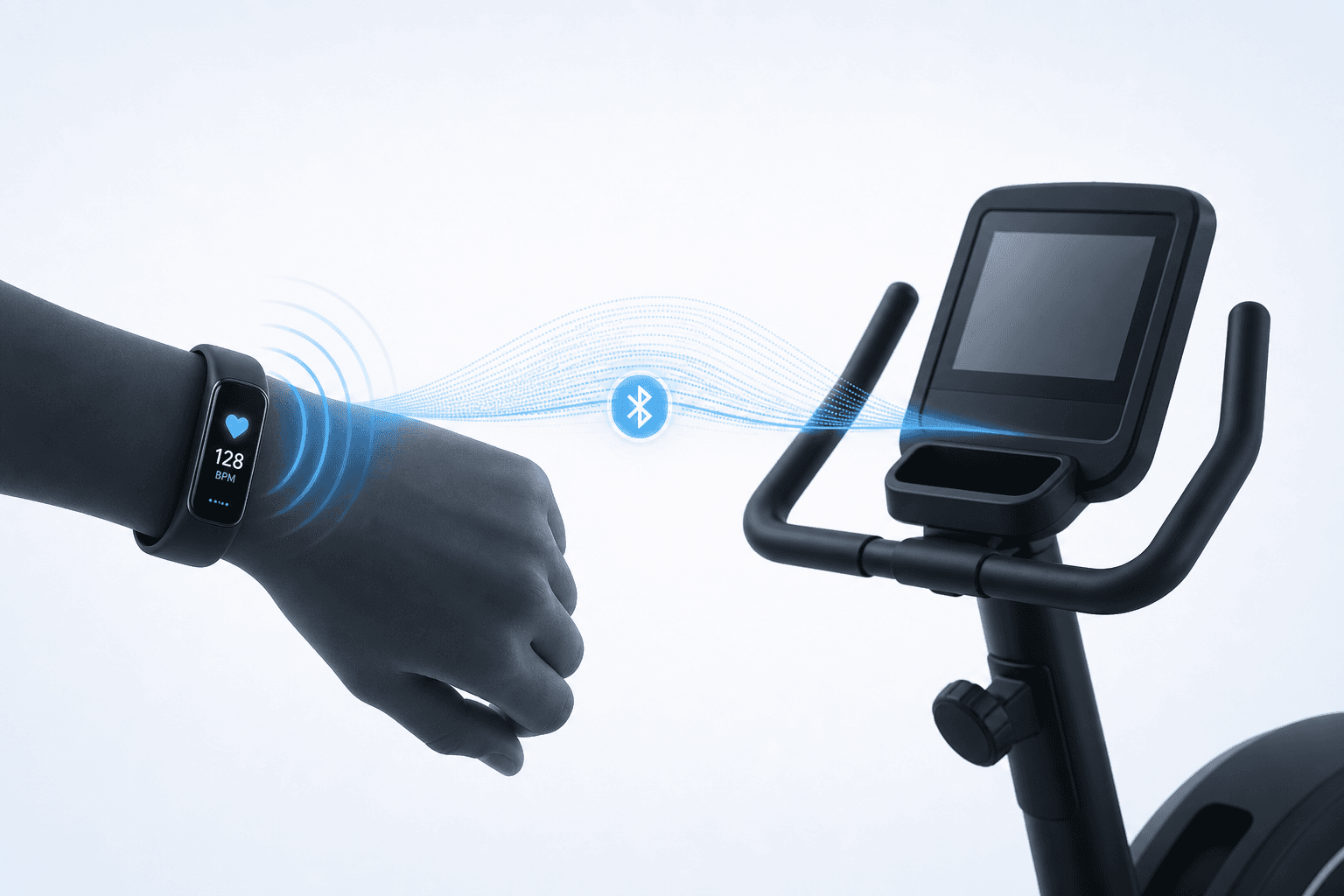
But the Charge 6's HR accuracy during weightlifting is a question mark. Forbes noted it matched the Polar H10 within a margin of error, but that was during high-intensity cardio, not heavy sets. If your home gym is built around a smart bike or treadmill and you only do occasional bodyweight circuits, the Charge 6 is a solid choice. If you lift heavy three times a week, the connectivity is nice, but the HR gap may matter more. For a deeper dive into Fitbit's accuracy across activities, see our dedicated Fitbit accuracy analysis.
If you're looking to build a full smart-home-gym setup around a tracker that talks to your equipment, check our beginner's phased buying guide for home gym equipment — it covers compatible machines and total cost.
The battery life trap
Apple Watch has the best third-party app ecosystem for home workouts — Hevy, Strong, Peloton, FitOn — and its heart rate accuracy during steady-state cardio is decent. But battery life is a real constraint. The Apple Watch Series 11 gets up to 24 hours. The SE 3 lasted 46 hours in The Verge's testing — nearly two days, but that still means you need to charge between workouts if you train twice a day.
| Model | Battery life | What it means for home gym |
|---|---|---|
| Apple Watch Series 11 | ~24 hours | Must charge every day; may not survive morning + evening workouts |
| Apple Watch SE 3 | ~46 hours | Lasts about two days, but one overnight charge means you skip a session |
| Garmin Venu 3 | ~14 days | Charge once every two weeks; no friction even on double days |
| Fitbit Charge 6 | ~7 days | Charge once a week; fine for most schedules |
I've seen plenty of people buy an Apple Watch for home gym tracking and then switch to a Garmin six months later because they forgot to charge it before a workout one too many times. The Apple Watch is a great device. It's just not the best tool for someone who lives in their gym clothes and doesn't want to manage another charging cable.
What to buy for your actual workout
Forget price brackets for a moment. Here's how I'd choose a tracker based on what you actually do in your home gym.
Strength-first lifter: Garmin Venu 3. Best HR accuracy during lifting that we have independent data for, native rep counting and custom workout loading, and two-week battery life. The Forerunner 165 is a cheaper alternative with similar rep-counting (the 265 likely does too, but confirm closer to purchase).
Smart-equipment owner: Fitbit Charge 6. Sub-$150, broadcasts HR to Peloton and NordicTrack, week-long battery. Accept that HR accuracy during heavy sets may lag compared to the Venu 3. If you mainly ride or run on the machine, it's fine.
Hybrid athlete (lifts + runs + rides): Garmin Forerunner 265 (or 165). Strong running metrics plus strength profiles. You lose the Venu 3's AMOLED screen and some smartwatch features but gain better GPS accuracy for outdoor runs and a lighter weight on the wrist.
What about Whoop and Oura? They lack screens, which means no rep counting, no rest timers, no quick glance at your heart rate between sets. Whoop's Strength Trainer calculates a muscular load score based on accelerometer data, which can be useful for recovery planning, but the friction of pulling out your phone to check anything during a workout is real. I'd skip them if your primary use is in-session tracking.
When a wrist tracker isn't enough
No wrist tracker will match the accuracy of a chest strap during heavy, compound lifts. The ACC study's rc=0.996 for chest strap vs. EKG is the gold standard, and no optical sensor is there yet. If you're doing a 1RM test, a complex program like 5/3/1, or any high-stakes set where you need to know your exact heart rate recovery between reps, pair your wrist tracker with a Polar H10 or similar chest strap.
For a full comparison of wrist, chest, armband, and ring form factors, see our heart rate monitor form-factor guide. It covers which form works best for which workout type and how to combine them.
Comments
Join the discussion with an anonymous comment.