
The best workout apps for women are not the ones with the prettiest class thumbnails or the loudest “best overall” badge. They are the ones that match what you are actually trying to do, what equipment you actually have, and how you actually like to be coached.
That sounds obvious until you are staring at ten apps that all promise strength, confidence, energy, fat loss, mobility, community, and “results.” A strength app that tracks your lifts can be wonderful if you want progressive overload and useless if you only have a yoga mat. A beautiful on-demand class library can be motivating for general fitness and still be the wrong subscription if you need a trimester-specific prenatal program. A free app can be more than enough for someone who wants regular guided workouts and too loose for someone who needs a long-term plan.
Women are not a side audience in this category. One 2026 statistics roundup, citing Mobile Marketer, reported that women contributed 67% of total health and fitness app revenue in 2025, though that specific revenue-share figure should be treated as directional because it is not independently confirmed in the briefed materials.[1] Business of Apps reported that the fitness app market generated $3.4 billion in revenue and reached 540 million users in 2025.[2] So yes, it is worth being choosy.
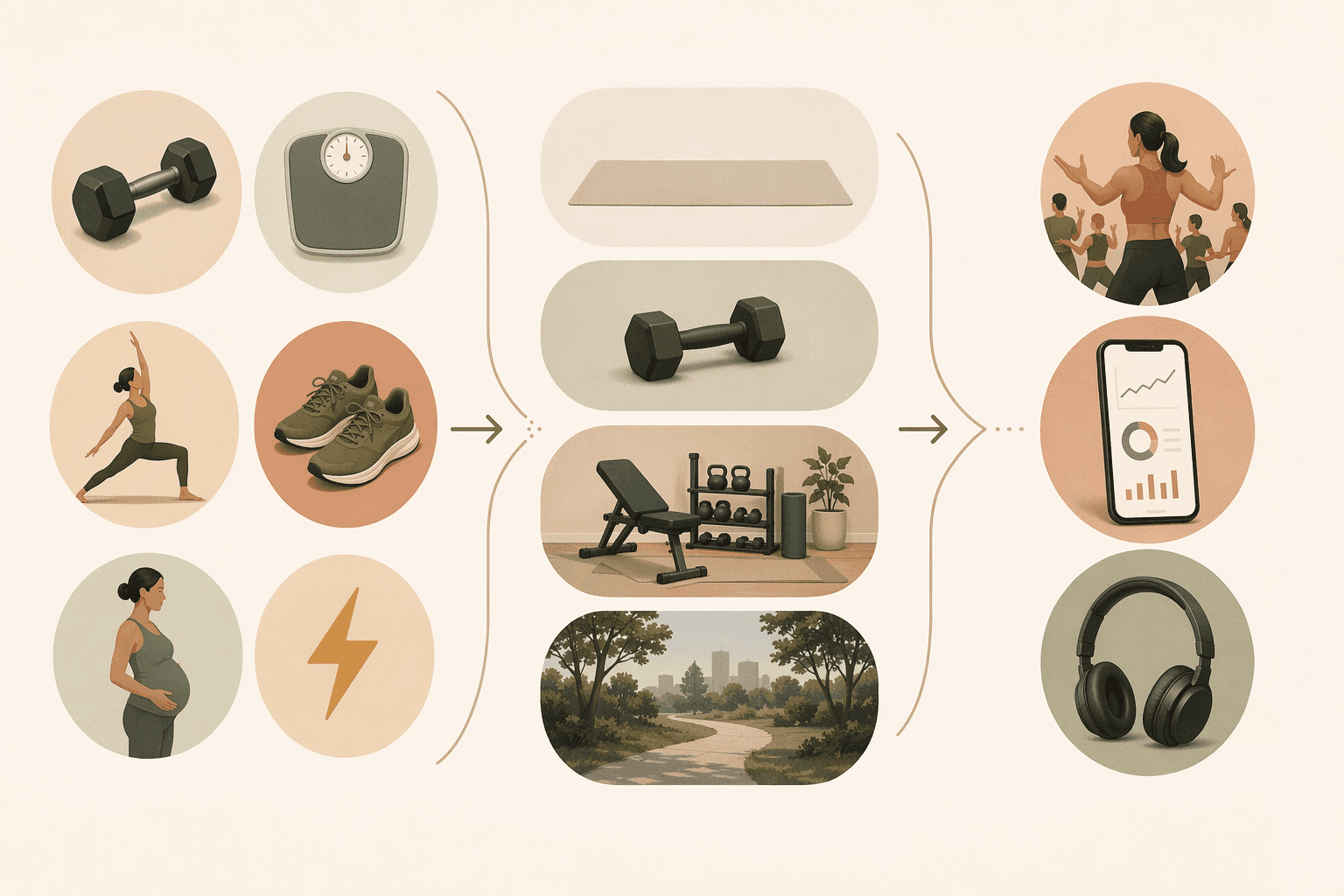
Start with your main goal, then narrow the app list
Pick the path that matches your primary goal right now. Not your ideal six-month identity. Not the app your friend loves. The one thing you most need the app to help you do over the next several weeks.
| If your main goal is… | Start with… | Why this lane makes sense |
|---|---|---|
| Progressive strength training | Caliber or Stronger By The Day | They are built around structured programming and lift history, not just one-off guided workouts. |
| Weight management or body composition | Sweat or EvolveYou | They combine workouts with nutrition and community features, though training progression varies by track. |
| Free general fitness | Nike Training Club | It offers a large free workout library with certified trainers, but less individualized long-term progression. |
| Yoga, stretching, or flexibility | Down Dog or Alo Wellness Club | Down Dog is highly configurable; Alo became a stronger free option in 2026. |
| Running | Nike Run Club or MapMyFitness | Choose audio coaching and community for Nike Run Club; choose route and data tracking for MapMyFitness. |
| Prenatal or postnatal training | Bloom Method | It is the more specialized choice for trimester-structured and pelvic-floor-aware programming. |
| HIIT or cardio classes | Peloton, iFIT, or Freeletics | The right pick depends on whether you want polished classes, outdoor-style content, or AI-driven bodyweight sessions. |
| General wellness and variety | Nike Training Club, Alo Wellness Club, Peloton, or Down Dog | These make sense when consistency and variety matter more than measurable strength progression. |
If you are brand new to workout apps and even this table feels like a lot, start with beginner workout app features before paying for a specialty subscription. If your life stage is the bigger filter than your sport or training style, use the women’s workout apps by life stage guide alongside this one.
Best workout apps for women by goal
For strength: choose programming, not just strength-flavored classes
If your goal is to get stronger, the app needs to remember what you lifted last week. This is where Caliber and Stronger By The Day separate themselves from general fitness apps. Both use periodized strength plans and historical lift data, which matters because progressive overload depends on planned increases, appropriate deloads, and enough continuity to know whether you are improving.
Garage Gym Reviews rated Caliber 4.6 out of 5 in its women’s workout app testing and noted that Caliber offers a free-forever tier.[3] That combination makes it especially useful if you want a serious strength framework without immediately adding another monthly bill. Stronger By The Day, listed at about $15 per month in the briefed materials, is also a strong fit for women who want structured lifting rather than a random rotation of dumbbell videos.[3]
The tradeoff is that these apps ask more of you than a press-play class app. You have to log, adjust loads, and think in terms of training blocks. If that sounds satisfying, go deeper with the strength training app guide for women. If you mostly want someone to lead you through a sweaty dumbbell class after work, Peloton, Nike Training Club, Sweat, or EvolveYou may feel easier to use, even if they are not as focused on measurable lifting progression.
For weight management or body composition: check what the app actually progresses
Sweat and EvolveYou are the clearest starting points if your goal is weight management, body composition, or a more holistic fitness routine. Sweat is listed at $25 per month and EvolveYou at $22.99 per month in the briefed pricing, and both combine workouts with nutrition plans and community features.[4][5]
That bundle can be useful. Many women do not need a maximal-strength spreadsheet; they need enough structure to train consistently, eat with less guesswork, and feel less alone while doing it. Sweat and EvolveYou both live in that lane.
The caution is simple: nutrition guidance, community, and polished programming do not automatically mean the training plan uses true progressive overload. Some tracks may be excellent for habit-building or body recomposition support, while others may feel more like rotating workouts. If your body-composition goal depends on getting noticeably stronger in the squat, deadlift, hip thrust, bench press, or overhead press, compare these with Caliber or Stronger By The Day before subscribing.
For free general fitness: Nike Training Club is hard to beat, with one catch
Nike Training Club is the most useful first download for many budget-sensitive readers because it offers more than 300 free workouts led by certified trainers.[6] That is not a token free tier. It is enough variety for strength circuits, mobility, yoga-inspired sessions, core work, and short workouts when life is messy.
The limitation is progression. Nike Training Club can help you move regularly and learn good exercise options, but it is not the same as an individualized long-term strength plan. If you are deciding between free and paid, use a free app long enough to see whether you actually train with it, then audit whether the paid app solves a real problem. The free vs. paid workout app pricing audit is the right next read if price is the thing slowing you down.
For yoga, stretching, and flexibility: Down Dog is for control; Alo is for free variety
Down Dog is a strong fit if you want yoga or mobility sessions that can be adjusted to your day instead of forcing you into a fixed class. Good Housekeeping highlighted its value at $7.99 per month and its 60,000-plus configuration options.[7] That configurability matters if your needs change by the hour: tight hips today, gentle flow tomorrow, shorter session on a travel day.
Alo Wellness Club became completely free in 2026 and includes more than 3,000 classes, making it a better option than it used to be for women who want yoga, Pilates-style movement, mindfulness, and wellness content without paying upfront.[6] Choose Alo if you want a broad free class library. Choose Down Dog if the ability to configure duration, focus, level, and style is what will keep you from skipping.
For running: decide whether you need coaching in your ears or better route data
Nike Run Club and MapMyFitness are the practical running-app shortlist. Nike Run Club is the better fit if audio-guided runs, encouragement, and community features help you get out the door. MapMyFitness, listed at $5.99 per month in the briefed materials, is stronger if your priority is route tracking and data analysis.
Do not choose a running app just because you want cardio. If most of your cardio happens indoors, or if you prefer intervals in your living room, Peloton, iFIT, Freeletics, or Nike Training Club may fit better. Running apps are best when the run itself is the anchor habit.
For prenatal and postnatal training: specialization matters more
Prenatal and postnatal training is not the place to accept vague “low impact” labels as a substitute for expertise. The Bloom Method, listed at $29.99 in the briefed materials, is the most specialized choice here because it includes trimester-structured prenatal and postnatal content plus pelvic floor education.[8]
That does not mean every pregnant or postpartum woman must use a pregnancy-specific app forever. Sweat’s PWR Post-Pregnancy and EvolveYou’s prenatal tracks can be reasonable alternatives if you already like those platforms and need a more familiar all-in-one environment.[4][5] But if your main need is pregnancy-aware progression, postpartum return-to-training support, or pelvic-floor education, start with the specialist rather than a general app with a smaller life-stage section.
This is also the category where it makes sense to be the least impressed by aesthetics. Calm colors and soft branding do not tell you whether the app explains pressure management, return-to-impact decisions, or core and pelvic floor considerations. If you are pregnant, newly postpartum, managing symptoms, or returning after a complicated birth, the app should support—not replace—guidance from a qualified clinician.
For HIIT and cardio: match the format to your tolerance for being coached
Peloton, iFIT, and Freeletics are the main HIIT and cardio options to compare. Peloton, listed at $13 per month in the briefed materials, is strongest when you want polished instructors, music-driven energy, and a large class library. iFIT makes more sense if outdoor-style content and machine integration are part of the appeal. Freeletics is the better fit if you want AI-driven bodyweight programming rather than studio classes.
Here, the wrong choice usually shows up fast. Some people love being coached loudly through every interval. Others resent it by day three. If you already know you hate follow-along hype, do not pay for a platform whose main value is instructor energy. If instructor energy is exactly what gets you moving, a quieter programming app may sit untouched.
For general wellness: variety is a feature, not a failure
Not every woman needs to choose a narrow specialty app. If your real goal is to move four times a week, feel less stiff, build some strength, and have options for low-energy days, a general wellness app can be the correct choice. Nike Training Club, Alo Wellness Club, Down Dog, Peloton, Sweat, and EvolveYou can all work here depending on budget and preferred format.
Choose the general wellness path when consistency matters more than precision. Choose a specialty path when the outcome itself has rules: progressive strength, race training, prenatal safety, postpartum return, or measurable performance improvement.
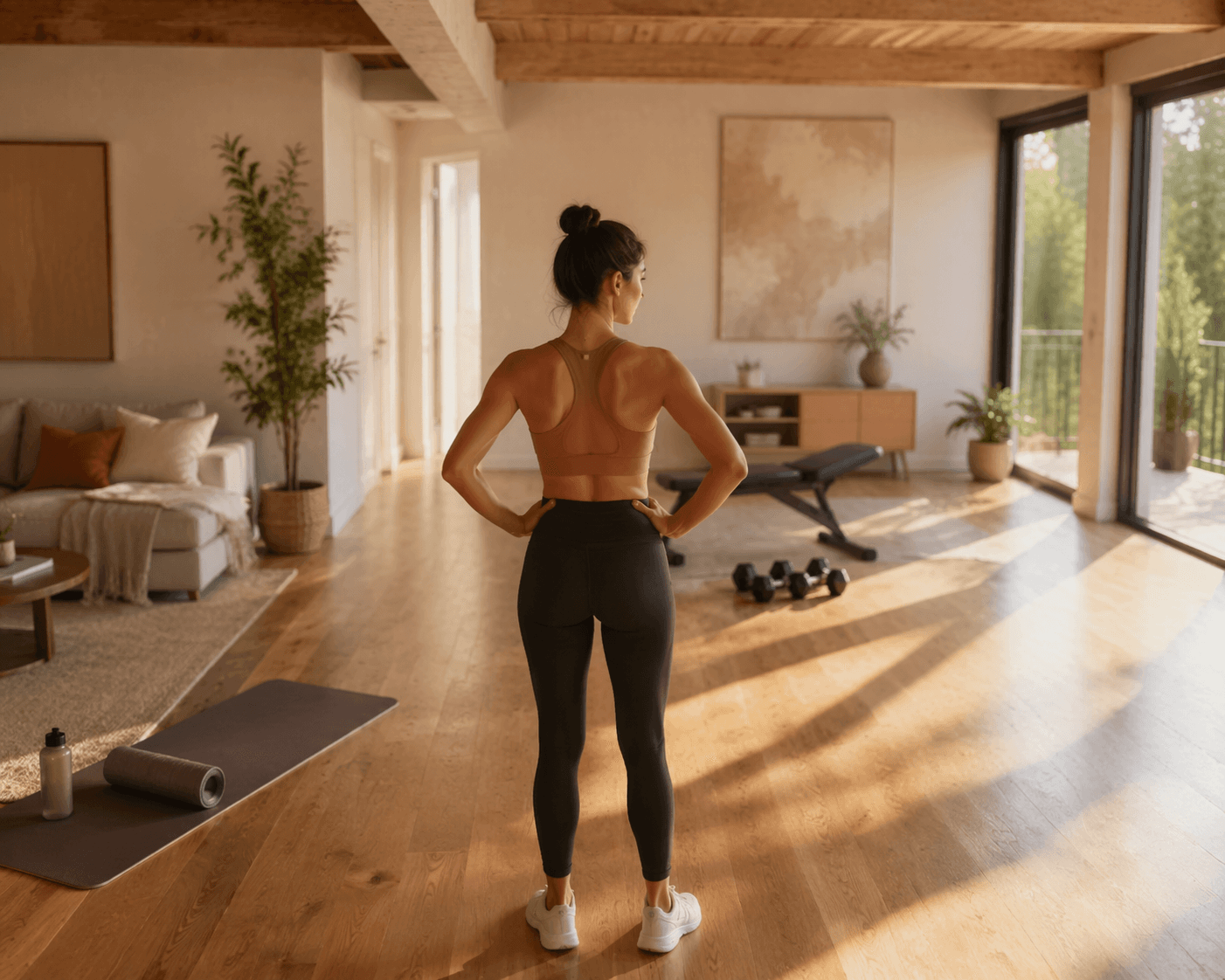
Now filter by the equipment you actually have
This is where a lot of app comparisons go sideways. An app can be excellent and still wrong for your apartment, garage, budget, or schedule. Before you trial anything, sort yourself into the equipment setup you can use consistently.
- No equipment or very limited space: Start with Nike Training Club, Freeletics, Alo Wellness Club, or bodyweight-friendly tracks inside Peloton. Avoid apps whose best programming assumes dumbbells, benches, cables, or barbells.
- Yoga mat only: Down Dog and Alo Wellness Club are the cleanest matches. Nike Training Club can also work if you want some bodyweight strength and mobility.
- Light dumbbells: Sweat, EvolveYou, Peloton, and Nike Training Club become more useful. Check whether the program can scale beyond the same few light-dumbbell circuits.
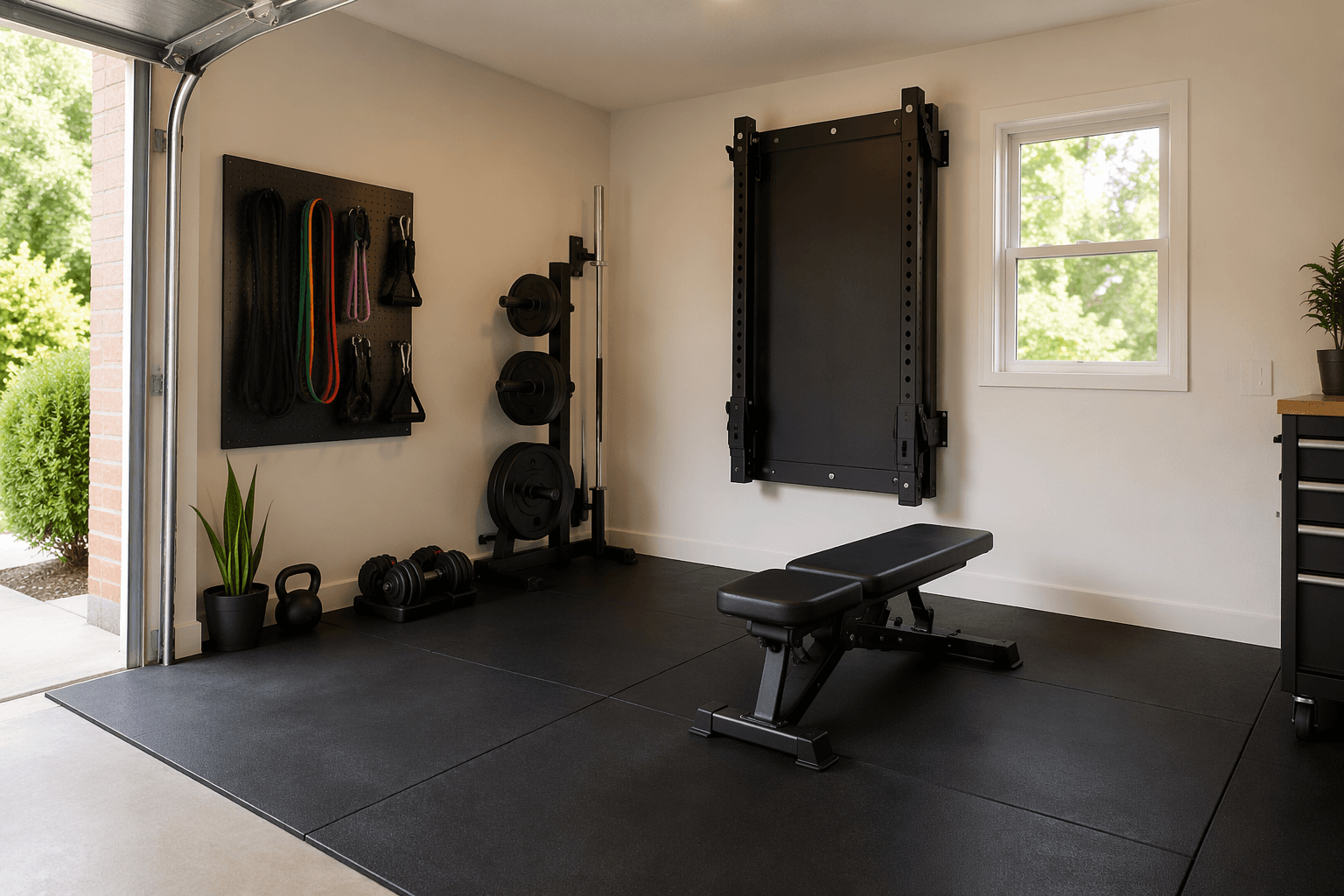
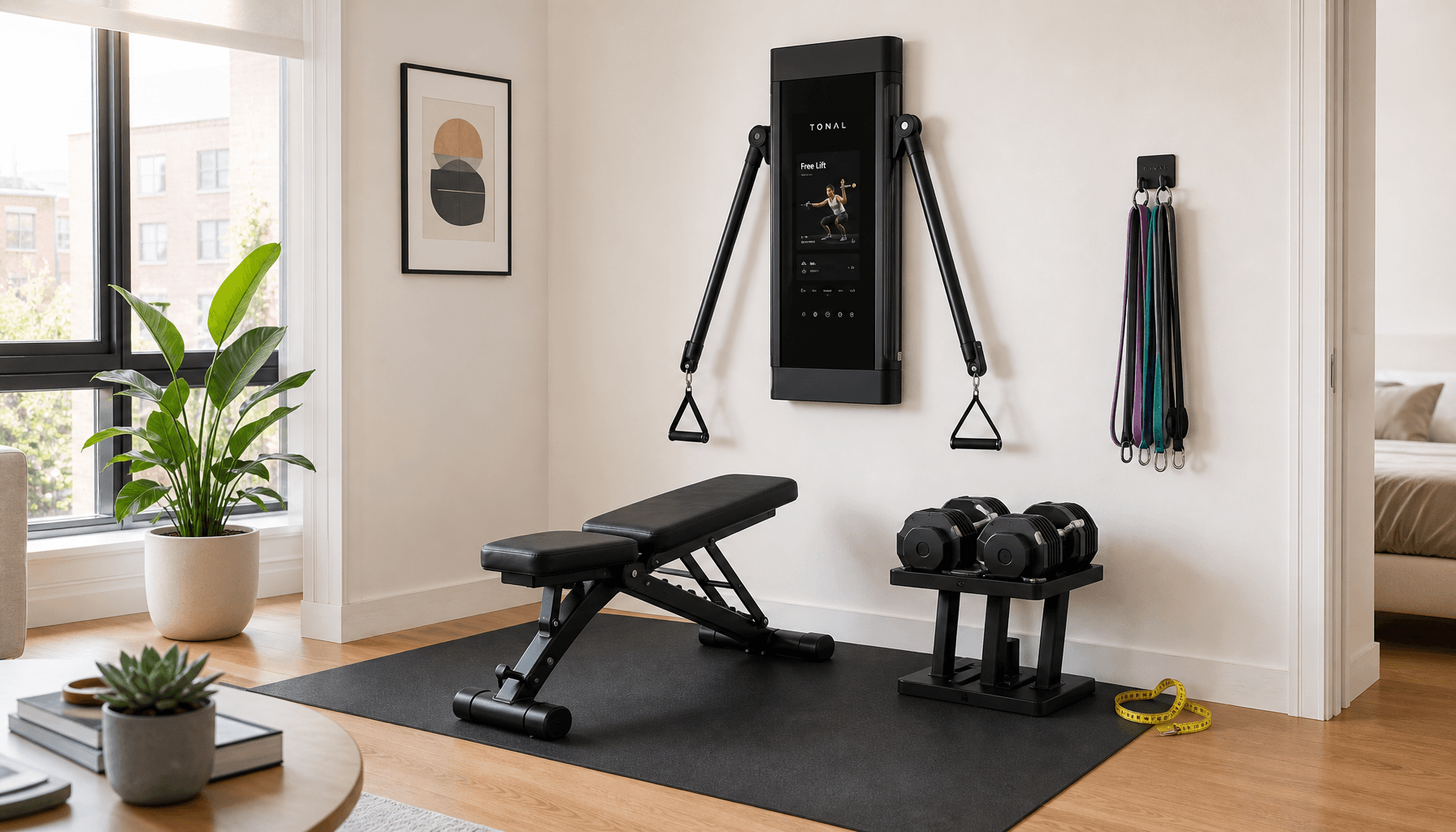
- Full home strength setup: Caliber and Stronger By The Day deserve more attention because they can use progressive loading and exercise history more effectively.
- Treadmill, bike, rower, or connected cardio equipment: Peloton and iFIT become more relevant, especially if classes or scenic content help you stay engaged.
- Outdoor running access: Nike Run Club and MapMyFitness are better fits than indoor HIIT apps if running is the main habit.
If you are trying to make a home setup work without overspending, compare the app against your real equipment using the home workout app and equipment guide. A subscription that constantly asks for gear you do not own will start to feel like homework.
Then filter by coaching style
The best app on paper can fail because the coaching style irritates you. Some women want to be talked through every rep. Some want a plan, a timer, and silence. Some need a coach-like structure. Some need community. None of those preferences are trivial if they determine whether you come back tomorrow.
| If you prefer… | Look harder at… | Be careful with… |
|---|---|---|
| Follow-along video classes | Peloton, Nike Training Club, Sweat, EvolveYou, Alo Wellness Club | Strength apps that expect more self-direction |
| Self-paced strength programming | Caliber, Stronger By The Day | Class libraries that do not track load history well |
| Audio coaching while moving | Nike Run Club | Apps built mainly for screen-based workouts |
| Route, pace, and activity data | MapMyFitness | Apps that emphasize motivation over tracking |
| Highly configurable yoga or mobility | Down Dog | Fixed class libraries when you need specific session controls |
| AI-generated bodyweight sessions | Freeletics | Instructor-led platforms if you dislike class energy |
| Community and lifestyle support | Sweat, EvolveYou, Nike Run Club, Peloton | Assuming community features equal better programming |
| Pregnancy or postpartum-specific education | Bloom Method | General apps with only small prenatal/postnatal collections |
If you are in your first month with any app, do not judge only by motivation. Judge by friction. Did you know what to do next? Did the app ask for equipment you do not have? Did you understand how to modify? Did the plan make tomorrow easier to start? The first 30 days with a workout app guide can help you evaluate that before you commit for a year.
Short recommendations by reader type
If you just want the shortest possible shortlist, use this as a final pass.
- You want measurable strength gains: Start with Caliber or Stronger By The Day. Compare Sweat or EvolveYou only if you also want nutrition, community, and a broader lifestyle platform.
- You want a free app that does not feel like scraps: Start with Nike Training Club. Add Alo Wellness Club if yoga, Pilates-style movement, or wellness classes appeal to you.
- You only have a mat: Start with Down Dog or Alo Wellness Club. Add Nike Training Club if you want more bodyweight strength.
- You are pregnant or postpartum and want specialized support: Start with Bloom Method, then compare Sweat or EvolveYou only if you prefer an all-in-one fitness platform.
- You run outside: Choose Nike Run Club for guided runs and community; choose MapMyFitness for route and data analysis.
- You need energy and production value: Peloton is the obvious class-first option. iFIT is worth comparing if outdoor-style content or connected cardio equipment is part of your setup.
- You dislike being coached on video: Look at Caliber, Stronger By The Day, Freeletics, MapMyFitness, or Down Dog depending on your goal.
One more practical note: subscription prices change often, and app feature sets overlap more than their marketing admits. Sweat and EvolveYou, for example, both cover workouts, nutrition, and community, so the better choice may come down to current programs, instructors, and whether the training style fits your equipment. Before subscribing annually, check the current price, trial terms, cancellation rules, and whether the program you want is included.
If privacy is part of your decision—and with health, cycle, body, location, and performance data, it should at least be on the table—read the fitness app privacy guide for women before connecting every wearable and permission prompt.
The best workout app for you is the one that lines up with your current primary goal, your real equipment situation, and the way you like to be coached. When those three match, the app has a much better chance of becoming the one you actually keep using.
References
- 50+ Fitness App Statistics 2026, Exercise.com, 2026.
- Fitness App Revenue and Usage Statistics 2026, Business of Apps, 2026.
- Best Workout App for Women, Garage Gym Reviews.
- Sweat, Sweat.
- EvolveYou, EvolveYou.
- Best Free Workout Apps, Garage Gym Reviews.
- Best Workout Apps, Good Housekeeping.
- The Bloom Method, The Bloom Method.
Comments
Join the discussion with an anonymous comment.